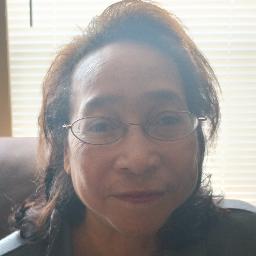
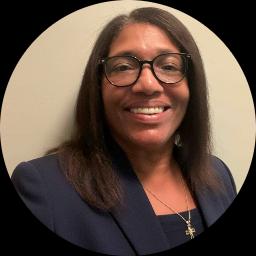
Margaret Couch
LCSW
Compassionate therapist focused on practical change
- Stress, Anxiety
- Parenting
- Bipolar
Illinois 41 years in practice
Clinical social work directory
903 therapists in this directory list Licensed Clinical Social Worker (LCSW). Registration details are shown as each therapist lists them; the body's own public register is the place to check a number.
An LCSW is a Licensed Clinical Social Worker who has completed graduate social work education and supervised clinical experience to provide mental health and psychosocial care. Browse the verified LCSW therapists listed below to review their stated specialties, approaches, languages, and credentials.
LCSW
Compassionate therapist focused on practical change
LCSW
Compassionate, goal-focused support for adults
MD, LCSW-C, LCSW
Compassionate clinician with long-term practical experience
LCSW
Emotion-focused care for everyday struggles
LCSW, CSW
Warm, practical therapy for emotional clarity
LCSW
Compassionate, steady support for emotional healing
LCSW
Experienced LCSW focusing on emotion and healing
LCSW
Practical emotional work for adults
LCSW
Trusted LCSW for emotional and relationship challenges
LCSW
Compassionate, experienced therapist for life transitions
LCSW
Attachment-focused therapist for relationship and stress concerns
LCSW
Compassionate therapy for emotional and relational challenges
LCSW
Compassionate guidance for emotional healing
LCSW
Compassionate, practical therapy for life challenges
LCSW
Compassionate, emotion-focused support for life changes
LCSW
Supportive LCSW guiding practical emotional change
LCSW
Compassionate, emotion-focused therapy for real life
LCSW
Practical emotional work grounded in experience
LCSW
Practical support for strong emotional healing
LCSW
Trauma-informed support with practical strategies
LCSW
Practical, emotion-focused therapy for stress and mood
LCSW
Compassionate, practical therapy for real life
LCSW
Compassionate therapist focused on connection
LCSW, CSW
Therapist focused on emotion and action
LCSW
Compassionate, emotion-focused clinical social worker
LCSW
Compassionate, culturally aware LCSW for life transitions
LCSW
Practical, collaborative therapy for emotional healing
LCSW
Practical, steady support for life’s hard moments
LCSW
Hopeful, practical therapy for emotional struggle
LCSW
Compassionate emotion-focused therapy for life changes
LICSW, LCSW, CSW
Compassionate care for life transitions
LCSW
Compassionate, present-focused support for life change
LCSW
Compassionate, emotion-focused therapy for life changes
LCSW
Compassionate social worker for everyday struggles
LCSW
Compassionate, practical therapy for emotional change
LCSW
Collaborative, practical therapy for emotional healing
LCSW
Compassionate, practical therapy for everyday challenges
LMFT, LCSW
Experienced emotional and practical support
LCSW
Compassionate clinician helping rebuild emotional balance
LCSW
Compassionate, practical support for emotional struggles
Some links on this page are partner links. We will earn a commission if you sign up through one, at no cost to you. It does not change what you pay or the order of the listings.
When you look for an LCSW, you are seeking a clinician who completed graduate-level social work education followed by focused clinical practice under supervision. Typical preparation includes a Master of Social Work or equivalent degree, internships or practicum placements during graduate study, and a period of post-graduate supervised clinical hours required by the licensing authority in the state where the clinician practices. After meeting those education and supervised practice requirements, candidates complete a licensing examination and maintain their credential through periodic renewal that usually includes continuing professional education. Exact requirements vary by state, so verification with your state board is an important step.
An LCSW provides psychotherapy and counseling, performs clinical assessments, and often works with individuals, couples, families, and groups. LCSWs commonly integrate an understanding of social systems, community resources, and environmental factors into clinical care, which can be useful when social, economic, or community conditions are part of the presenting concern. Compared with psychologists, who typically hold doctoral degrees and may focus on psychological testing, LCSWs emphasize a social work perspective that bridges clinical treatment and practical supports. Compared with licensed professional counselors or marriage and family therapists, the LCSW title signals a social work foundation. Unlike psychiatrists, LCSWs do not prescribe medication; medication management is handled by medical professionals. You can expect LCSWs to coordinate with other providers and to address both therapeutic goals and connections to community or social services when appropriate.
If you review LCSW profiles, you will see a wide range of specialties. Many LCSWs list trauma, mood disorders, anxiety, grief and loss, relationship concerns, and parenting or family issues among their focus areas. Others emphasize work with specific populations such as children and adolescents, older adults, perinatal and postpartum needs, LGBTQ+ communities, or people navigating substance use challenges. You may also find LCSWs who work in community mental health, school settings, medical settings, or integrated care environments where addressing social determinants of health is central. When looking at approaches, some LCSWs list cognitive behavioral therapy among their approaches, some list EMDR among their approaches, and others list psychodynamic, narrative, systems, or mindfulness-influenced approaches. Because the directory records self-described approaches rather than verified training, use approach listings to guide your search rather than to assume formal certification.
Verifying a credential is an important part of choosing a therapist. Start with the state social work licensing board in the state where the clinician practices. Most boards offer an online license lookup where you can enter a clinician's name or license number to confirm that the LCSW credential is active, see the license issue and expiration dates, and review any disciplinary history recorded by the board. You can also ask a clinician for their license number and the state of licensure if that information is not listed on their profile. If you prefer, you can contact the licensing board directly to confirm details. In addition to board verification, you can review a clinician's stated education and clinical background on their profile, and look for transparent information about their areas of focus and how they describe their approach to therapy. Remember that continuing education requirements and exact licensure rules vary by jurisdiction, so verification through the relevant state authority gives you the clearest picture.
Choosing an LCSW brings a perspective that emphasizes both clinical skill and social context. If your concerns intersect with family systems, community resources, housing, or access to services, an LCSW's training in assessing environmental contributors and connecting people to supports can be particularly helpful. LCSWs frequently work in settings that require coordination with schools, medical clinics, courts, or community agencies, and they tend to frame treatment goals with attention to practical as well as emotional needs. You may find LCSWs who emphasize collaborative care planning, goal-oriented therapy, or interventions aimed at improving daily functioning. Because many LCSWs balance clinical practice with case management, they often offer an approach that integrates talk therapy with practical problem solving and referral to community-based supports when those needs arise. When reading profiles, look for clinicians who describe the balance of therapy and broader resource navigation if that is important to you.
Begin by identifying what matters most to you in therapy - whether that is a focus area, an approach, language or cultural match, experience with a particular population, or practical considerations like session format and cost. Use the directory to filter by stated specialties, approaches, languages, and credentials to narrow your search. Read profiles to understand how each clinician describes their practice and what they emphasize about working with clients. When you contact a clinician, you can ask about their experience with the issues you want to address and how they typically structure sessions, while keeping in mind that the directory records stated approaches rather than verified training. Consider making an initial inquiry to gauge how comfortable you feel with the clinician's communication style and whether their described approach aligns with your goals. It can also help to think about logistics such as session length, fees, and whether the clinician offers sessions in-person or remotely. Finally, trust your sense of fit; a strong working relationship often comes down to how supported and understood you feel in the first few interactions.
Finding the right LCSW is a process of matching clinical focus, professional background, and personal fit. By verifying credentials through the state board, reviewing how clinicians describe their specialties and approaches, and asking clear questions about how they work, you can make an informed choice about who to contact and begin a therapeutic process that addresses both your immediate goals and the broader context of your life.