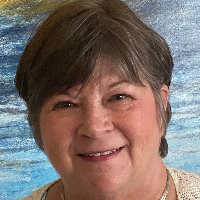
Ranka Smith
BACP
Experienced counsellor focused on emotional connection
- Stress, Anxiety
- Relationship
- Self esteem
26 years in practice
Clinical social work directory
3,437 therapists list trauma and abuse among the things they work with. All offer sessions online, and every profile shows the registering body, the membership number and when it runs to.
This page lists clinicians who focus on trauma and abuse, with profiles that describe approaches, credentials, languages, and clinical interests. Browse the listings below to compare practitioners and learn more about the kinds of care offered for trauma-related concerns.
BACP
Experienced counsellor focused on emotional connection
LCSW
Compassionate therapist focused on practical change
LCMHC
Calm, practical guidance for life's hard moments
LPC
Compassionate, practical therapy focused on emotion and change
LCSW
Compassionate, goal-focused support for adults
PACFA
Compassionate support for emotional and relationship challenges
LMFT
Trusted therapist for relationships and trauma
LPC
Compassionate emotional work with practical tools
BACP
Emotion-focused, practical therapy for life challenges
MD, LCSW-C, LCSW
Compassionate clinician with long-term practical experience
BACP
Experienced relational counsellor for adults
BACP
Compassionate, practical support for emotional struggle
LPC
Warm, practical therapy for life’s hard moments
LPC
Practical, emotion-focused counseling for real life
BACP
Compassionate counsellor for relationship and identity concerns
LCSW
Emotion-focused care for everyday struggles
LCSW, CSW
Warm, practical therapy for emotional clarity
AASW
Sensitive, practical support for emotional healing
NCPS
Compassionate help for emotional and relationship challenges
LPC
Therapist focused on emotion and recovery
BACP
Compassionate counsellor helping people find purpose
LCSW
Compassionate, steady support for emotional healing
BACP
Compassionate counsellor for emotional healing
BACP
Warm, direct counselling using Emotionally-Focused Therapy
LMFT
Experienced therapist focused on relationships and emotion
LPCC, LPC
Compassionate counselor focused on relationship repair
LCSW
Experienced LCSW focusing on emotion and healing
BACP
Calm, practical support for emotional struggles
BACP
Experienced counsellor focused on emotions and relationships
BACP
Experienced person-centred counsellor for emotional and relationship issues
BACP
Calm, emotion-focused counselling for life challenges
LCSW
Practical emotional work for adults
LMHC
Calm, practical support for everyday challenges
NCPS
Compassionate integrative counsellor with wide cultural experience
LMFT
Calm guidance to understand and change emotions
LCSW
Trusted LCSW for emotional and relationship challenges
LPC
Compassionate counselor who focuses on emotional connection
BACP
Experienced counsellor offering online emotional support
LMHC
Compassionate counselor for practical change
LCSW
Compassionate, experienced therapist for life transitions
LPC
Hopeful, practical therapy for real-life struggles
Some links on this page are partner links. We will earn a commission if you sign up through one, at no cost to you. It does not change what you pay or the order of the listings.
Trauma and abuse refer to a wide range of experiences that can overwhelm a person’s ability to cope. Trauma can arise from a single frightening event, repeated exposure to harm, or prolonged stressful situations such as neglect, domestic violence, sexual assault, or childhood adversity. Abuse often implies that harm occurred in a relationship where trust or power was imbalanced, and that context can make recovery more complicated because the relationship itself may be a source of ongoing fear or confusion.
How trauma shows up varies from person to person. You might notice emotional symptoms such as persistent anxiety, depression, irritability, or emotional numbness. Physical sensations can include tension, sleep disruption, chronic pain, or a heightened startle response. Cognitive effects may involve intrusive memories, flashbacks, difficulty concentrating, or negative beliefs about yourself and the world. Interpersonal patterns can shift as well - you may find it harder to trust others, to set boundaries, or to maintain close relationships. All of these reactions are common human responses to overwhelming experiences rather than signs of personal failure.
Understanding these patterns helps you recognize that trauma responses are meaningful signals, not permanent labels. The goal of trauma-aware care is to help you build coping skills, process distressing memories when you are ready, and restore a sense of safety and agency in your daily life.
There are many reasons someone chooses to seek therapy for trauma and abuse. You might consider looking for a therapist if distressing memories intrude into daily life, if strong emotional reactions feel out of proportion to the present moment, or if avoidance of certain people, places, or topics is limiting your activities. Sleep problems, nightmares, sudden panic, or a constant sense of being on edge are common signs that trauma responses are affecting your functioning. Persistent feelings of shame, guilt, or self-blame after harmful experiences are also indicators that focused work may help.
If relationships feel strained because of trust issues, anger, or withdrawal, therapy can provide a context to work on those patterns. You may also decide to seek support if coping strategies like substance use, dissociation, or self-harm are present, or if daily tasks and responsibilities feel harder to manage. Choosing to pursue therapy is a personal decision, and seeking help early can prevent symptoms from becoming more entrenched. When you meet with a therapist, they can help you clarify goals and consider approaches that align with your needs and comfort level.
Therapy for trauma and abuse typically begins with an assessment and a collaborative plan. Early sessions often focus on establishing a safe working relationship, identifying current difficulties and goals, and building stabilization skills. Stabilization can include learning emotion regulation techniques, grounding strategies to manage distressing memories, and practical tools for improving sleep and reducing hyperarousal. This stage aims to increase your capacity to tolerate difficult emotions and to feel more in control before addressing painful memories directly.
When you and your therapist decide to work on traumatic memories, the pace is determined by your readiness. Some people choose to process memories in detail, while others focus on changing present-day patterns that grew out of past harm. Therapists describe different ways of working - some approaches involve guided exposure to feared memories or situations, others emphasize making sense of traumatic experiences through narrative, and some focus on the body and sensations that hold trauma responses. Many clinicians integrate elements from multiple approaches, and you should expect ongoing consent and communication about methods used during sessions.
Beyond techniques, you can expect psychotherapy to be relational. The way your therapist responds to you - with curiosity, clarity, and consistency - matters as much as the specific methods used. You should be able to discuss pacing, ask questions about any intervention, and voice concerns if a particular approach feels too intense. Effective trauma work balances symptom relief with meaning-making and practical coping strategies that support daily functioning.
There is a range of therapeutic approaches that clinicians may list when they work with trauma and abuse. Cognitive behavioral approaches often focus on identifying and changing unhelpful thoughts and behavior patterns that maintain distress. Therapists who list exposure-based strategies among their approaches aim to reduce avoidance by safely and gradually addressing feared memories or situations. Some clinicians include eye movement desensitization and reprocessing as one of the approaches they use, and others emphasize narrative or psychodynamic methods that explore how past experiences shape current relationships and self-concept.
Body-oriented methods address how traumatic events can be held in the nervous system and physical sensations. Therapists who list somatic approaches may incorporate techniques to increase bodily awareness and to release tension associated with traumatic memories. Other clinicians highlight relational or attachment-based work to repair trust and to build healthier patterns in current relationships. Many therapists combine elements from different approaches to match your goals and tolerance for processing. When reviewing profiles, notice how practitioners describe their style, whether they emphasize skills-building, memory processing, or relational repair, and whether they mention working with specific populations such as survivors of childhood abuse or intimate partner violence.
Your preferences matter in selecting a therapeutic approach. Some people prioritize symptom reduction through structured techniques, while others want to explore the emotional and relational meaning of their experiences. You might prefer an approach that includes practical coping skills before memory work, or you may be drawn to methods that attend closely to bodily experience. Therapists' profiles often indicate the approaches they use, but you can also ask about how they integrate methods and how they will tailor work to your pace and needs.
Online therapy offers a way to connect with a therapist from your home or another setting that feels comfortable. You can expect to meet via video, phone, or text-based options depending on what a therapist lists in their profile. Video sessions allow for face-to-face interaction that captures facial expressions and nonverbal cues, while phone sessions may feel more personal for some people. Text or messaging formats provide flexibility and may be used as a supplement to scheduled sessions. Whatever the format, clinicians who practice online typically describe how they structure sessions, their policies for crisis situations, and the technologies they use to communicate.
Before beginning online work, you might consider practical aspects such as a quiet place to talk, your internet or phone reliability, and the times that fit your schedule. It can help to ask a prospective therapist how they handle boundaries around messaging between sessions, what to expect if a technical issue arises, and how they approach sessions when intense memories or panic occur. Online therapy can make it easier to access clinicians who specialize in trauma and abuse, including those who share your language, cultural background, or therapeutic preferences. As with in-person care, clear communication about goals, pacing, and safety practices supports productive work.
Finding a good match involves more than a list of credentials. Start by clarifying what matters most to you - do you want skills to manage symptoms, a therapist who emphasizes trauma processing, someone experienced with particular life experiences, or a clinician who works within a certain cultural framework? When you review profiles, pay attention to how therapists describe their approach, populations they mention, languages they speak, and the ways they frame trauma work. Profiles that mention working with survivors of specific types of abuse or with particular communities can help you narrow options.
Consider reaching out with questions about therapeutic style - ask how they typically begin trauma work, how they pace exposure or memory processing, and how they support clients between sessions. Inquire about practical matters such as session length, fee structure, and whether they work within your insurance network if that is relevant. Trust your sense of fit during an initial call or consultation; how a therapist listens to your concerns, explains their methods, and responds to your questions will give you important information about whether the relationship feels respectful and collaborative.
Remember that finding the right person can take time. You are entitled to change therapists if your first choice does not meet your needs, and seeking the right match is part of caring for yourself. Therapists' profiles are a starting point - use them to narrow options and to prepare questions that matter to you. With thoughtful consideration, you can find a clinician whose experience and manner align with your preferences and goals for healing from trauma and abuse.