Michigan 35 years in practice
Clinical social work directory
Therapists who work with Caregiver Issues and Stress
2,404 therapists list caregiver issues and stress among the things they work with. All offer sessions online, and every profile shows the registering body, the membership number and when it runs to.
Browse therapists who list caregiver issues and stress among their approaches to find professionals focused on family caregiving, role changes, and burnout. Use the listings below to explore therapist approaches, credentials, languages, and experience that match your needs.

Margaret Couch
LCSW
Compassionate therapist focused on practical change
- Stress, Anxiety
- Parenting
- Bipolar
Illinois 41 years in practice

Andrew Clarke
BACP
Calm, practical support for emotional challenges
- Stress, Anxiety
- Relationship
- Anger
5 years in practice

Dr. Ngozi Okose
LPC
Compassionate, practical therapy focused on emotion and change
- Stress, Anxiety
- Relationship
- Trauma and abuse
Texas 22 years in practice

Georgia 29 years in practice

Farah Southwell
LPC
Compassionate emotional work with practical tools
- Stress, Anxiety
- Relationship
- Family
Georgia 30 years in practice

Victoria Small
BACP
Emotion-focused, practical therapy for life challenges
- Stress, Anxiety
- Family
- Trauma and abuse
10 years in practice

Julie Elliott
MD, LCSW-C, LCSW
Compassionate clinician with long-term practical experience
- Stress, Anxiety
- Relationship
- Family
Texas 35 years in practice
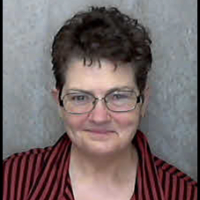
Tiffany Dunnells
LPC
Warm, practical therapy for life’s hard moments
- Stress, Anxiety
- Trauma and abuse
- Anger
Texas 10 years in practice

New York 26 years in practice

Dedra McIntosh
LCSW
Emotion-focused care for everyday struggles
- Stress, Anxiety
- Relationship
- Trauma and abuse
Florida 3 years in practice

Heather Friend
LCSW, CSW
Warm, practical therapy for emotional clarity
- Stress, Anxiety
- Relationship
- Trauma and abuse
Colorado 8 years in practice

Susanna "Susan" Abraham
BACP
Compassionate counsellor helping people find purpose
- Stress, Anxiety
- Addictions
- Grief
15 years in practice

Steven Carlson
LCSW
Compassionate, steady support for emotional healing
- Stress, Anxiety
- Relationship
- Family
Florida 40 years in practice

Bilkan Kilicer
BACP
Compassionate counsellor for emotional healing
- Stress, Anxiety
- Relationship
- Trauma and abuse
6 years in practice

Lorelle Busby
BACP
Calm, practical support for emotional struggles
- Stress, Anxiety
- Trauma and abuse
- Self esteem
5 years in practice

Sidonia Stiles
BACP
Experienced person-centred counsellor for emotional and relationship issues
- Stress, Anxiety
- Relationship
- Grief
27 years in practice

Andrew Merz
BACP
Calm, emotion-focused counselling for life challenges
- Stress, Anxiety
- Grief
- Self esteem
5 years in practice

Tomeccia Maxwell
LMHC
Calm, practical support for everyday challenges
- Stress, Anxiety
- Relationship
- Family
Florida 12 years in practice

Savithri (Savi) Jayaweera
NCPS
Compassionate integrative counsellor with wide cultural experience
- Stress, Anxiety
- Relationship
- Trauma and abuse
16 years in practice

Cora Benedict
LMFT
Calm guidance to understand and change emotions
- Stress, Anxiety
- Trauma and abuse
- Grief
Alaska 15 years in practice

Marianne Costales-Roman
LCSW
Trusted LCSW for emotional and relationship challenges
- Stress, Anxiety
- LGBT
- Parenting
Illinois 27 years in practice

Donna Lemaitre
BACP
Experienced counsellor offering online emotional support
- Stress, Anxiety
- Relationship
- Trauma and abuse
8 years in practice

Patricia Roebuck
LMHC
Compassionate counselor for practical change
- Stress, Anxiety
- Relationship
- Self esteem
Florida 20 years in practice

Pennsylvania 13 years in practice

Joel Brooks
LCSW
Compassionate, experienced therapist for life transitions
- Stress, Anxiety
- Addictions
- Relationship
Florida 42 years in practice

Mary Griffith
LPC
Compassionate counselor for life transitions and emotion work
- Stress, Anxiety
- Relationship
- Family
Mississippi 15 years in practice

Kelley Sullivan
LCSW
Compassionate therapy for emotional and relational challenges
- Stress, Anxiety
- Relationship
- Trauma and abuse
Texas 19 years in practice

Faryal Choudry
LCSW
Compassionate guidance for emotional healing
- Stress, Anxiety
- Addictions
- Relationship
Florida 5 years in practice

Elizabeth Carter
LMHC
Compassionate, practical support for emotional change
- Stress, Anxiety
- Trauma and abuse
- Parenting
Florida 32 years in practice

Jacqueline Dougherty
LMHC
Compassionate therapist focused on emotional healing
- Stress, Anxiety
- Trauma and abuse
- Grief
Florida 6 years in practice

Cornelius "Corey" Human
PACFA
Calm, practical therapy for emotional and relationship issues
- Stress, Anxiety
- Relationship
- Parenting
18 years in practice

Prossy Nabweteme
BACP
Collaborative counselling for relationships and life changes
- Relationship
- Family
- Grief
12 years in practice

Ganiyat Olaleye
BACP, NCPS
Calm, practical counselling for real-life struggles
- Stress, Anxiety
- Relationship
- Grief
6 years in practice

Shannon Mott
LCSW
Compassionate, practical therapy for life challenges
- Stress, Anxiety
- Relationship
- Family
Louisiana 9 years in practice

Brandon Smith
LMHC
Calm, practical support for emotional change
- Stress, Anxiety
- Relationship
- Self esteem
Indiana 6 years in practice

Oklahoma 25 years in practice

Tammy Russell
LMHC
Practical support for emotional healing and change
- Stress, Anxiety
- Addictions
- Trauma and abuse
Florida 14 years in practice

Faith Chideya
AASW
Compassionate online therapy with practical tools
- Stress, Anxiety
- Family
- Trauma and abuse
4 years in practice

Oklahoma 9 years in practice

George Vega
LMHC
Compassionate counselor helping people move forward
- Stress, Anxiety
- Addictions
- Relationship
Florida 11 years in practice

Dr. Sharon Belhamel
LMFT
Compassionate therapy for life’s hard transitions
- Stress, Anxiety
- Relationship
- Career
Georgia 20 years in practice

Dr. Sydney Crane
LMFT
Compassionate, relational therapy for emotional change
- Stress, Anxiety
- LGBT
- Relationship
Texas 10 years in practice

Texas 12 years in practice

Mississippi 36 years in practice

Lindsey Thorp
LCSW
Compassionate, emotion-focused support for life changes
- Stress, Anxiety
- Trauma and abuse
- Self esteem
Florida 6 years in practice

Sandra Musielewicz
LCSW
Supportive LCSW guiding practical emotional change
- Stress, Anxiety
- Self esteem
- Bipolar
Texas 9 years in practice

Martha Burling
BACP
Compassionate counselling for everyday challenges
- Stress, Anxiety
- Addictions
- Grief
6 years in practice

Some links on this page are partner links. We will earn a commission if you sign up through one, at no cost to you. It does not change what you pay or the order of the listings.
Understanding caregiver issues and how stress commonly affects you
When you take on responsibility for someone else’s day-to-day needs, whether for an aging parent, a partner with a chronic condition, or a child with special needs, the role can reshape your life in deep and often unexpected ways. Caregiving can bring meaning and purpose, and it can also create constant demands on your time, energy, and emotions. Over time those pressures can accumulate into persistent stress, exhaustion, emotional reactivity, interrupted sleep, and a sense that your own needs are always deferred.
Caregiver stress is not a single symptom but a cluster of experiences that often intersect. You might find your mood shifts more easily, your patience wears thinner, or you avoid social contact because you feel overwhelmed. Financial worries and the logistics of appointments, medication, and household tasks can compound emotional strain. You may also experience grief for the life you expected and frustration at losing the balance between caregiving and other roles. Recognizing that these reactions are common responses to sustained burden can help you reach out for support before stress leads to burnout or health problems.
Signs you might benefit from therapy for caregiver stress
Therapy can be helpful at different stages of caregiving, from early adjustment to acute crisis. You might consider seeking therapy when stress interferes with daily functioning, when you notice persistent sadness or anxiety, or when you find yourself lashing out at loved ones without meaning to. If you are withdrawing from friends and activities that used to matter, losing sleep, or using substances to cope, those are signals that additional help could be useful. Therapy is not only for severe distress; it can also be a practical space for learning coping strategies, setting boundaries, and developing plans to manage responsibilities more sustainably.
Many people also pursue therapy to process complicated emotions such as guilt, resentment, or grief that arise while caring for someone else. You might feel guilty about wanting time for yourself, or resentful when your role changes within a family. Therapy can provide a place to make sense of these feelings and to identify values and priorities that guide decisions. If caregiving has exposed ongoing family tensions or unclear roles, therapy can help you explore communication patterns and create practical steps to share tasks or advocate for support.
What to expect in therapy focused on caregiver issues
If you decide to work with a therapist who lists caregiver issues and stress among their approaches, you can expect an initial conversation about your current situation and what you hope to change. Early sessions often focus on understanding your daily responsibilities, major stressors, and immediate challenges. Your therapist may ask about the health needs of the person you care for, the support network you have, practical constraints like finances or work, and how caregiving affects your relationships and self-care.
Over time you and your therapist will identify specific goals that fit your circumstances. Those goals can be practical - for example, reducing bedtime disruptions or creating a plan for respite - or emotional, such as managing anxiety or guilt. Many therapists combine short-term skills-building with deeper exploration of beliefs and patterns that contribute to stress. You might practice communication and boundary-setting in session, learn relaxation and stress-management techniques, and develop problem-solving strategies tailored to your life. Therapy can also help you prepare for transitions that are often part of caregiving, such as changes in care needs or living arrangements.
Common therapeutic approaches used for caregiver stress
Therapists who list caregiver issues and stress among their approaches often draw on several complementary frameworks to address both practical and emotional sides of caregiving. Cognitive-behavioral approaches can help you identify thought patterns that amplify stress and replace them with more manageable perspectives. Therapists who list acceptance-based or mindfulness approaches often teach techniques to reduce rumination and increase tolerance for difficult feelings. Family-systems oriented approaches focus on relationships and role dynamics, helping you negotiate responsibilities and improve communication within your household.
Some therapists who list emotion-focused approaches work with you to understand and process the feelings that caregiving brings up, such as grief, anger, or guilt. Others who list solution-focused techniques emphasize immediate strategies to reduce burden and create realistic plans for daily life. You may also find therapists who list trauma-informed or stress-regulation methods among their approaches, particularly if caregiving involves exposure to traumatic medical events or long-term crisis. When exploring listings, pay attention to which approaches resonate with you and how the therapist describes integrating them with caregiver-specific concerns.
How online therapy works for caregiver support and tips for choosing a therapist
How online therapy can fit into a caregiving routine
Online therapy can be especially practical when caregiving limits your ability to travel or to attend in-person appointments. You can connect from home or another location that works for you during windows of availability, and some therapists offer shorter sessions that fit into busy schedules. Sessions typically take place via video, phone, or text-based messaging platforms, and they closely resemble in-person work in terms of the conversation and therapeutic techniques used. Online therapy makes it easier to maintain continuity of care during periods of fluctuating responsibilities and can reduce the time needed for commuting and scheduling coordination.
When you choose online care, it helps to think about the environment where you will meet. You may want a quiet room, a comfortable chair, and a plan for interruptions - for example, arranging a trusted person to step in briefly if needed or scheduling sessions when the care recipient is resting. Many people find that the convenience of online sessions lowers the barrier to making therapy a regular part of life.
Tips for choosing the right therapist for caregiver issues and stress
Begin by clarifying what matters most to you. Are you seeking help with stress management, family communication, grief processing, or practical problem-solving? Knowing your priorities will make it easier to focus your search. Look for therapists who list caregiver issues, family caregiving, or caregiver stress among their approaches, and read how they describe their work with families and chronic health challenges. Pay attention to credentials and professional background to understand a clinician’s general training and scope, and note the languages they list if language access is important for you.
Consider the therapeutic approaches that feel most compatible with your needs. If you want concrete skills you can use between sessions, approaches that emphasize coping strategies and problem-solving may be a good match. If you need space to process complex emotions, look for therapists who list emotion-focused or grief work among their approaches. You may also want to ask about experience working with specific conditions or care contexts that match your situation, such as dementia caregiving or pediatric chronic illness, keeping in mind that listings reflect what therapists report rather than formal endorsements of special certification.
Finally, trust your instincts about communication style and fit. Many people benefit from an initial conversation to get a sense of how the therapist listens and whether their proposed approach aligns with your goals. When comparing profiles, focus on factors you can evaluate from the listing: focus areas, approaches they list, credentials, languages, and any descriptions of population focus or lived experience that feel relevant. Choosing a therapist is a personal process, and finding someone whose style and focus match your needs can make a meaningful difference in how you experience support as a caregiver.
Caregiving is demanding work, and seeking help is a practical step toward maintaining your health and the quality of care you provide. Use the listings above to explore professionals who list caregiver issues and stress among their approaches and to identify the styles and backgrounds that best fit your situation.
Keep exploring
Related concerns
Ways of working