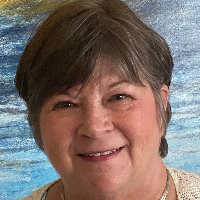
Ranka Smith
BACP
Experienced counsellor focused on emotional connection
- Stress, Anxiety
- Relationship
- Self esteem
26 years in practice
Clinical social work directory
1,952 therapists list body image among the things they work with. All offer sessions online, and every profile shows the registering body, the membership number and when it runs to.
This page lists therapists who identify body image as a specialty, with information about approaches, credentials, and languages. Browse the listings below to compare profiles and learn more about options that may match your needs.
BACP
Experienced counsellor focused on emotional connection
LCSW
Compassionate therapist focused on practical change
BACP
Understanding emotions to guide practical change
BACP
Calm, practical support for emotional challenges
LPC
Compassionate, practical therapy focused on emotion and change
LPC
Compassionate emotional work with practical tools
BACP
Emotion-focused, practical therapy for life challenges
MD, LCSW-C, LCSW
Compassionate clinician with long-term practical experience
BACP
Experienced relational counsellor for adults
BACP
Compassionate, practical support for emotional struggle
LPC
Warm, practical therapy for life’s hard moments
BACP
Compassionate counsellor for relationship and identity concerns
LCSW, CSW
Warm, practical therapy for emotional clarity
NCPS
Compassionate help for emotional and relationship challenges
LPC
Therapist focused on emotion and recovery
BACP
Compassionate counsellor helping people find purpose
BACP
Compassionate counsellor for emotional healing
BACP
Calm, practical support for emotional struggles
BACP
Experienced counsellor focused on emotions and relationships
BACP
Experienced person-centred counsellor for emotional and relationship issues
BACP
Calm, emotion-focused counselling for life challenges
NCPS
Compassionate integrative counsellor with wide cultural experience
LCSW
Trusted LCSW for emotional and relationship challenges
LPC
Compassionate counselor who focuses on emotional connection
LMHC
Compassionate counselor for practical change
BACP
Calm support for stress and relationships
LCSW
Compassionate, experienced therapist for life transitions
LCMHC
Compassionate therapist for life's hard moments
LCSW
Compassionate therapy for emotional and relational challenges
LCSW
Compassionate guidance for emotional healing
LMHC
Compassionate, practical support for emotional change
LMHC
Compassionate therapist focused on emotional healing
PACFA
Calm, practical therapy for emotional and relationship issues
BACP
Collaborative counselling for relationships and life changes
BACP, NCPS
Calm, practical counselling for real-life struggles
LCSW
Compassionate, practical therapy for life challenges
AASW
Compassionate online therapy with practical tools
LMFT
Compassionate therapy for life’s hard transitions
LCSW
Compassionate, emotion-focused support for life changes
BACP
Compassionate counselling for everyday challenges
Some links on this page are partner links. We will earn a commission if you sign up through one, at no cost to you. It does not change what you pay or the order of the listings.
Body image is the sense you have of your own body - how you see, feel, and think about it. For many people this sense is shaped by a mix of factors including cultural messages, social comparison, past experiences, relationships, and physical changes across life. You may find that body image is relatively stable for periods of time, or that it shifts in response to events like pregnancy, injury, aging, or changes in health. When body image feels negative or preoccupying, it can affect how you relate to others, how you participate in social and professional activities, and how you take care of your health.
People experience body image concerns in diverse ways. For some the focus is on weight or shape, for others it centers on specific body parts, skin, hair, or the visible signs of aging. Cultural and gender expectations often influence which features feel most salient. You may notice that mood, self-esteem, sexual expression, and daily routines are impacted when body image feels distressing. Understanding body image as a relational and cultural experience - not just an individual judgment - can help you see pathways to change.
If you are questioning whether therapy could help, pay attention to how much time and emotional energy you spend on thoughts about your body. You might find yourself avoiding mirrors, social situations, or certain clothing because of worry about appearance. Persistent preoccupation with your looks that interferes with work, relationships, or enjoyment is a common reason people seek support. You might also notice patterns of extreme dieting, compulsive checking of appearance, or repeated comparisons with images you see online or in media.
Other signs include a marked drop in self-esteem tied to appearance, difficulty participating in intimacy, or using your body as a way to manage strong emotions. If you find that comments from others - whether recent or from long ago - continue to shape how you feel about yourself, therapy can provide an opportunity to explore those experiences. People often pursue therapy because they want to feel more comfortable in their bodies, to reduce harmful behaviors, or to develop healthier habits of self-care and self-talk.
Therapy for body image typically begins with an assessment of how appearance concerns affect your life and what you most want to change. Early sessions often focus on building rapport and creating a collaborative plan that respects your goals and pace. You can expect a mix of exploring personal history and developing practical skills. Some sessions may focus on understanding critical self-talk, while others address behaviors like avoidance or compulsive checking.
Therapists often work with you to identify triggers that intensify body-related distress and to practice strategies that reduce reactivity. This may include learning to notice automatic thoughts, experimenting with new responses in real-life situations, or developing more compassionate ways of relating to your body. You should expect the therapist to ask about your social context, cultural background, and values so that interventions are tailored to your experience. Progress may include feeling less consumed by appearance concerns, improved participation in daily life, and stronger self-directed care that reflects your priorities.
A range of therapeutic approaches can be helpful for body image, and therapists may combine techniques based on what you find useful. Cognitive behavioral approaches are frequently used; you may work with a therapist who lists cognitive behavioral therapy (CBT) among their approaches to identify and gently challenge unhelpful beliefs about appearance and to build alternative patterns of thinking and behavior. Acceptance-based approaches such as those that emphasize mindfulness and values can help you shift focus away from appearance rumination and toward meaningful activities.
Some therapists work with parts-oriented ideas, so you might find therapists who list internal family systems (IFS) among their approaches discussing conflicting inner voices that influence how you relate to your body. Other practitioners may use trauma-informed methods, and you may come across therapists who list EMDR among their approaches and offer that as one option for people whose body image concerns are linked to distressing memories. Approaches that focus on body awareness and somatic experience can help you reconnect with how your body feels rather than how it looks. When reviewing profiles, look for language that describes the therapist’s typical focus and how they work with body image, rather than assuming any single method fits everyone.
Online therapy offers a flexible way to address body image concerns from your own environment. Sessions typically happen over video, phone, or encrypted messaging platforms, and you can prepare for a session by choosing a comfortable, well-lit space where you can speak freely. Virtual work can make it easier to practice exposure tasks or to notice how you react to images and social media in real time. Some people appreciate being able to connect with therapists who speak their language or specialize in certain populations without geographic constraints. Online sessions can include discussions, skill-building exercises, guided imagery, and homework assignments that you try between meetings.
Because the format removes some in-person cues, it is important to communicate openly with your therapist about what feels helpful and what feels awkward in virtual sessions. You may find it useful to experiment with camera positioning, timing, and whether certain exercises work better in person or online. Many therapists who work online will describe how they adapt interventions for the virtual setting, so look for profiles that explain their online approach.
Choosing a therapist is a personal process. Start by clarifying what you hope to change - whether you want to reduce compulsive behaviors, lessen preoccupation with appearance, improve sexual confidence, or repair movement and health habits. Look for therapists whose profiles mention a focus on body image or related concerns, and compare how they describe their approaches and typical session structure. Pay attention to credentials and areas of clinical focus, and note what languages therapists list if that matters for you. Experience working with people who share similar cultural backgrounds, gender identities, or life stages can matter because body image is shaped by social context.
When you read therapist profiles, notice whether the language feels respectful of bodies and identity. Profiles that emphasize collaborative planning, attention to values, and an interest in your goals often lead to a good working fit. You may also want to consider practical matters such as session format and whether the therapist describes how they adapt interventions for online work. If you have specific needs - for example, concerns tied to eating behaviors, medical conditions, or past trauma - look for therapists who mention relevant experience or approaches. Trust your impressions as you compare profiles and reach out for an introductory conversation if a therapist’s style and focus align with what you want to address.
Seeking support for body image is a step toward greater ease in daily life. Therapy can help you shift from self-criticism to curiosity, develop practical tools for managing difficult moments, and reconnect with activities that reflect your values. Whether you prefer practical skill-building, exploratory work about identity and culture, or body-centered awareness practices, there are therapists who list a range of approaches and who describe how they collaborate with clients. Take time to read profiles, note the approaches and populations therapists mention, and choose someone whose description resonates with your goals.
As you explore listings and begin conversations, remember that change often unfolds gradually and that the most helpful work is tailored to your needs. With the right support, you can move toward a relationship with your body that feels more balanced, less consuming, and more aligned with the life you want to lead.