Colorado 20 years in practice
Clinical social work directory
Therapists who work with Commitment Issues
2,122 therapists list commitment issues among the things they work with. All offer sessions online, and every profile shows the registering body, the membership number and when it runs to.
On this page you can explore therapists who list commitment issues among their specialties. Browse the listings below to review focus areas, therapeutic approaches, credentials, languages and experience to help find a good fit.

Margaret Couch
LCSW
Compassionate therapist focused on practical change
- Stress, Anxiety
- Parenting
- Bipolar
Illinois 41 years in practice

Andrew Armstrong
BACP
Understanding emotions to guide practical change
- Stress, Anxiety
- Grief
- Self esteem
4 years in practice

Dr. James Hunter Jr
LCMHC
Calm, practical guidance for life's hard moments
- Stress, Anxiety
- Depression
- Relationship
North Carolina 19 years in practice

Dr. Ngozi Okose
LPC
Compassionate, practical therapy focused on emotion and change
- Stress, Anxiety
- Relationship
- Trauma and abuse
Texas 22 years in practice

Florida 7 years in practice

Georgia 29 years in practice
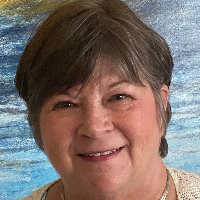
Farah Southwell
LPC
Compassionate emotional work with practical tools
- Stress, Anxiety
- Relationship
- Family
Georgia 30 years in practice

Victoria Small
BACP
Emotion-focused, practical therapy for life challenges
- Stress, Anxiety
- Family
- Trauma and abuse
10 years in practice

Julie Elliott
MD, LCSW-C, LCSW
Compassionate clinician with long-term practical experience
- Stress, Anxiety
- Relationship
- Family
Texas 35 years in practice
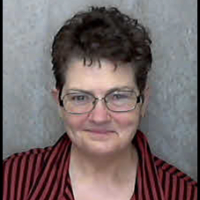
Tiffany Dunnells
LPC
Warm, practical therapy for life’s hard moments
- Stress, Anxiety
- Trauma and abuse
- Anger
Texas 10 years in practice

New York 26 years in practice

Chirayu Goyal
BACP
Compassionate counsellor for relationship and identity concerns
- Relationship
- Family
- Grief
3 years in practice

Dedra McIntosh
LCSW
Emotion-focused care for everyday struggles
- Stress, Anxiety
- Relationship
- Trauma and abuse
Florida 3 years in practice

Heather Friend
LCSW, CSW
Warm, practical therapy for emotional clarity
- Stress, Anxiety
- Relationship
- Trauma and abuse
Colorado 8 years in practice

Sukvinder Grewal
NCPS
Compassionate help for emotional and relationship challenges
- Stress, Anxiety
- Relationship
- Family
8 years in practice

Sherry Gould-Hillhouse
LPC
Therapist focused on emotion and recovery
- Addictions
- Trauma and abuse
- Grief
Texas 3 years in practice

Texas 9 years in practice

Bilkan Kilicer
BACP
Compassionate counsellor for emotional healing
- Stress, Anxiety
- Relationship
- Trauma and abuse
6 years in practice

Christopher Sarfo
BACP
Warm, direct counselling using Emotionally-Focused Therapy
- Stress, Anxiety
- Family
- Trauma and abuse
7 years in practice

Jacob Heffernan
LMFT
Experienced therapist focused on relationships and emotion
- Stress, Anxiety
- Relationship
- Family
Hawaii 25 years in practice

Augustina Garba
LPCC, LPC
Compassionate counselor focused on relationship repair
- Stress, Anxiety
- Relationship
- Family
Wisconsin 21 years in practice

Sidonia Stiles
BACP
Experienced person-centred counsellor for emotional and relationship issues
- Stress, Anxiety
- Relationship
- Grief
27 years in practice

Andrew Merz
BACP
Calm, emotion-focused counselling for life challenges
- Stress, Anxiety
- Grief
- Self esteem
5 years in practice

Savithri (Savi) Jayaweera
NCPS
Compassionate integrative counsellor with wide cultural experience
- Stress, Anxiety
- Relationship
- Trauma and abuse
16 years in practice

Marianne Costales-Roman
LCSW
Trusted LCSW for emotional and relationship challenges
- Stress, Anxiety
- LGBT
- Parenting
Illinois 27 years in practice

Cornelia Williams
LPC
Compassionate counselor who focuses on emotional connection
- Stress, Anxiety
- Addictions
- Relationship
Georgia 7 years in practice

Donna Lemaitre
BACP
Experienced counsellor offering online emotional support
- Stress, Anxiety
- Relationship
- Trauma and abuse
8 years in practice

Pennsylvania 13 years in practice

Joel Brooks
LCSW
Compassionate, experienced therapist for life transitions
- Stress, Anxiety
- Addictions
- Relationship
Florida 42 years in practice

Michael Robinson
LCSW
Attachment-focused therapist for relationship and stress concerns
- Stress, Anxiety
- Addictions
- LGBT
Louisiana 8 years in practice

15 years in practice

Mary Griffith
LPC
Compassionate counselor for life transitions and emotion work
- Stress, Anxiety
- Relationship
- Family
Mississippi 15 years in practice

Kelley Sullivan
LCSW
Compassionate therapy for emotional and relational challenges
- Stress, Anxiety
- Relationship
- Trauma and abuse
Texas 19 years in practice

Faryal Choudry
LCSW
Compassionate guidance for emotional healing
- Stress, Anxiety
- Addictions
- Relationship
Florida 5 years in practice

Elizabeth Carter
LMHC
Compassionate, practical support for emotional change
- Stress, Anxiety
- Trauma and abuse
- Parenting
Florida 32 years in practice

Jacqueline Dougherty
LMHC
Compassionate therapist focused on emotional healing
- Stress, Anxiety
- Trauma and abuse
- Grief
Florida 6 years in practice

Cornelius "Corey" Human
PACFA
Calm, practical therapy for emotional and relationship issues
- Stress, Anxiety
- Relationship
- Parenting
18 years in practice

Ganiyat Olaleye
BACP, NCPS
Calm, practical counselling for real-life struggles
- Stress, Anxiety
- Relationship
- Grief
6 years in practice

Shannon Mott
LCSW
Compassionate, practical therapy for life challenges
- Stress, Anxiety
- Relationship
- Family
Louisiana 9 years in practice

Brandon Smith
LMHC
Calm, practical support for emotional change
- Stress, Anxiety
- Relationship
- Self esteem
Indiana 6 years in practice

Oklahoma 25 years in practice

Magdelena "Maggie" Rasheva-Malul
BACP
Compassionate counsellor for emotional clarity
- Stress, Anxiety
- Relationship
- Trauma and abuse
5 years in practice

Oklahoma 9 years in practice

George Vega
LMHC
Compassionate counselor helping people move forward
- Stress, Anxiety
- Addictions
- Relationship
Florida 11 years in practice

Dr. Sharon Belhamel
LMFT
Compassionate therapy for life’s hard transitions
- Stress, Anxiety
- Relationship
- Career
Georgia 20 years in practice

5 years in practice

Texas 12 years in practice

Some links on this page are partner links. We will earn a commission if you sign up through one, at no cost to you. It does not change what you pay or the order of the listings.
Understanding commitment issues and how they affect you
Commitment issues can show up in many parts of life - not only in romantic relationships but also in work, friendships and long-term planning. For some people the word commitment triggers anxiety, avoidance or indecision; for others it looks like repeated patterning of short relationships, frequent second-guessing, or a feeling that something is always missing. These experiences are often rooted in earlier attachment experiences, learning about safety in relationships, or the accumulation of disappointments that shape how you assess risk and closeness.
You might feel torn between wanting connection and fearing it at the same time. That ambivalence can be confusing and exhausting. You may notice that important choices feel weighted with meaning, and that the prospect of long-term plans brings up intense worry, anger, or a sense of being trapped. It is common to respond to that tension either by pulling away, testing partners, or by making rushed decisions and then doubting them. Understanding how these patterns developed can help you shift them so that your choices align more with your values and goals.
Why patterns matter
Patterns of avoidance or anxious pursuit often repeat because they once helped you cope. Recognizing the function of those patterns - how they protected you or signaled danger - is a first step toward making different choices. Therapy focused on commitment issues tends to look at the underlying emotions, relational histories and expectations you bring into relationships so that you can respond with greater clarity rather than habit.
Signs you might benefit from therapy for commitment issues
If you find yourself frequently postponing relationship milestones, breaking up and returning to previous partners, or feeling trapped when relationships deepen, therapy may help. You might also notice disproportionate fear when discussions of the future arise, chronic doubts about your feelings, or a pattern of ending partnerships when things become emotionally intimate. These signs do not mean something is wrong with you; they indicate recurring responses that may limit the kinds of relationships you want.
You may experience physical symptoms when commitment conversations occur - restlessness, insomnia, stomach upset, or a surge of adrenaline. You might also see effects in your professional life if you avoid long-term projects or let fear of failure keep you from committing to opportunities. Therapy can help you learn to identify the triggers that set off these responses, explore the beliefs that maintain them, and practice new ways of relating both to yourself and to others.
When to seek help
Consider reaching out for professional support if these patterns cause distress, get in the way of meaningful goals, or leave you feeling stuck for a long time. You do not need to wait for a crisis - therapy can be a space to clarify your priorities, experiment with different approaches to closeness, and build skills for planning and communication. Many people find that targeted therapy helps them make decisions with greater confidence and less reactivity.
What to expect in therapy sessions focused on commitment issues
In early sessions you and your therapist will typically explore your relationship history, current patterns and personal values. You can expect thoughtful questions about how you make decisions, what you worry about when plans are proposed, and how you react when closeness increases. The goal is to build an understanding of the emotional and cognitive habits that influence commitment so you can start making choices that reflect what you truly want.
Therapy often blends reflection with practical skills. You may work on communication techniques for discussing future plans, tolerate distressing feelings related to closeness, or rehearse conversations that have felt too difficult. Sessions can include processing memories that shaped your expectations, practicing new behaviors in small steps, and setting realistic experiments to test alternative approaches. Over time you will track how changes feel and whether they move you toward the relationships and life you want.
Therapeutic pace and collaboration
The pace of work will depend on your needs. Some people move quickly into concrete changes, while others benefit from slower exploration of underlying fears. You and your therapist should collaborate on goals, whether that means improving decision-making, reducing anxiety around commitments, or learning to stay present during intimate moments. The therapist's role is to guide reflection, introduce evidence-informed methods, and support you as you try out different ways of relating.
Common therapeutic approaches for commitment issues
Therapists address commitment issues with a range of approaches aimed at understanding emotions, shifting patterns and building practical skills. You will likely encounter therapists who list attachment-based work among their approaches, which focuses on how early relationships influence your current connection styles. Others may list cognitive behavioral techniques among their approaches, which emphasize identifying and changing thought patterns that fuel avoidance or catastrophic thinking.
Some therapists list emotionally focused or relational approaches among their tools, which center on improving communication and emotional responsiveness between partners. You may also find therapists who list acceptance and commitment therapy among their approaches, which helps you clarify values and take committed action in spite of uncomfortable feelings. There are practitioners who list experiential or somatic approaches among their methods for working with body-based responses to closeness. You may come across therapists who list EMDR among their approaches for processing distressing relationship memories, or narrative approaches for reframing the stories you tell about commitment.
Choosing an approach that fits
No single approach is the right fit for everyone. It can help to think about whether you want more insight into your history, more skills for communication and decision-making, or a combination of both. When browsing profiles, look for practitioners whose described focus areas and approaches align with how you prefer to work - whether that is conversational, skills-based, emotionally focused, or body-centered.
How online therapy works for commitment issues and tips for choosing a therapist
Online therapy provides multiple ways to engage with a therapist for commitment issues. Many therapists offer live video sessions that simulate an in-person interaction, allowing you to observe nonverbal cues and practice conversations with support. Some also provide phone sessions or text and messaging options for brief check-ins or between-session reflection. Online formats can make it easier to access clinicians with particular specialties or language skills, and they allow you to work from a setting that feels comfortable to you.
When choosing a therapist, consider the therapist's stated focus and the approaches they list, as well as credentials and experience with relationship work. Pay attention to language skills if you prefer therapy in a language other than English. Think about the session format you prefer and how you might like to use between-session supports such as assignments or messaging. It is also useful to note whether a therapist describes experience working with individuals, couples, or both, depending on how you want to address commitment issues.
Practical questions to guide your search
As you review profiles, imagine how it would feel to discuss your experiences with that person. Look for descriptions that resonate with your concerns and goals - whether that is reducing anxiety about long-term plans, improving relationship conversations, or understanding recurring patterns. Consider starting with a conversation to get a sense of fit and to ask about approaches they commonly use with commitment concerns. Finding the right match often comes from combining practical fit - such as approach and language - with the sense that the clinician understands and respects your story.
Working on commitment issues can change how you relate to yourself and others. With consistent attention and a therapist who aligns with your goals, you can develop clearer decision-making, calmer responses to closeness, and relationships that more closely reflect your values. Use the listings above to explore professionals who list commitment issues as a focus and to find a mental health partner who supports the path you want to take.
Keep exploring
Related concerns
Ways of working