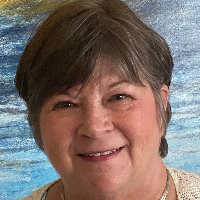
Margaret Couch
LCSW
Compassionate therapist focused on practical change
- Stress, Anxiety
- Parenting
- Bipolar
Illinois 41 years in practice
Clinical social work directory
1,423 therapists list disaster relief therapy among the things they work with. All offer sessions online, and every profile shows the registering body, the membership number and when it runs to.
This page lists therapists who mention disaster relief therapy among their approaches to support people affected by emergencies and disasters. Browse the profiles below to learn about therapists' focus areas, approaches, credentials, languages and experience.
LCSW
Compassionate therapist focused on practical change
LPC
Compassionate, practical therapy focused on emotion and change
LCSW
Compassionate, goal-focused support for adults
LPC
Warm, practical therapy for life’s hard moments
LCSW, CSW
Warm, practical therapy for emotional clarity
LCSW
Compassionate, steady support for emotional healing
BACP
Calm, practical support for emotional struggles
BACP
Experienced person-centred counsellor for emotional and relationship issues
BACP
Calm, emotion-focused counselling for life challenges
NCPS
Compassionate integrative counsellor with wide cultural experience
LPC
Compassionate counselor who focuses on emotional connection
LMHC
Compassionate counselor for practical change
LCSW
Compassionate, experienced therapist for life transitions
LPC
Compassionate counselor for life transitions and emotion work
LCSW
Compassionate therapy for emotional and relational challenges
LMHC
Compassionate, practical support for emotional change
LMHC
Compassionate therapist focused on emotional healing
PACFA
Calm, practical therapy for emotional and relationship issues
BACP
Collaborative counselling for relationships and life changes
BACP, NCPS
Calm, practical counselling for real-life struggles
LCSW
Compassionate, practical therapy for life challenges
LMHC
Practical support for emotional healing and change
BACP
Compassionate counsellor for emotional clarity
LPC
Practical, emotion-focused counseling for life challenges
LMHC
Compassionate counselor helping people move forward
LMFT
Compassionate therapy for life’s hard transitions
BACP
Calm, emotion-focused counselling for everyday struggles
LCSW
Supportive LCSW guiding practical emotional change
BACP
Calm, practical support for emotional change
LCSW
Compassionate, emotion-focused therapy for real life
BACP, NCPS
Compassionate practical counselling for life challenges
BACP
Empathic, practical therapy for life and relationship stress
BACP
Compassionate, practical therapy for everyday struggles
LPC
Experienced counselor focused on emotions and change
LPC
Compassionate therapist focused on emotional healing
LPC
Compassionate counselor blending emotional and practical work
LPC
Experienced counselor blending skills and connection
BACP
Warm, practical counselling focused on feelings and change
LMHC
Compassionate counselor for complex emotions
LPC
A steady, practical counselor for emotional change
Some links on this page are partner links. We will earn a commission if you sign up through one, at no cost to you. It does not change what you pay or the order of the listings.
Disaster relief therapy focuses on the emotional, psychological and practical impacts that follow natural disasters, industrial accidents, acts of violence and other large-scale crises. When a community experiences sudden upheaval, the effects ripple through daily life - routines are interrupted, losses accumulate and the future can feel uncertain. Your reactions may vary depending on personal history, the severity of exposure, and the supports available to you. Some people have short-term distress that eases over weeks, while others contend with longer-lasting challenges that affect sleep, concentration, relationships and sense of safety.
People who seek help after disasters are often trying to process intense emotions, manage overwhelming reminders, and reestablish a sense of normalcy. Therapy can provide a place to sort through the practical and emotional aftermath, from grief and anger to survivor guilt and persistent worry. Because disaster impacts can be communal, survivors may also face disruptions to social networks and local services, which adds another layer to recovery. In therapy you can work on coping strategies, emotional regulation and practical planning so you can begin rebuilding daily life and functioning.
It can be hard to know when to reach out for professional support. You might consider therapy if you notice that distress from a disaster is interfering with work, relationships or basic self-care. Persistent nightmares, intrusive memories, heightened startle response, or avoidance of places and conversations that remind you of the event are common indicators that targeted support could help. Emotional signs can include prolonged sadness, irritability, difficulty experiencing positive emotions, or feelings of numbness.
Physical symptoms also matter. Ongoing sleep disturbances, appetite changes, headaches, and fatigue can all be linked to unresolved stress from a disaster. You may find that you are relying more heavily on substances or other behaviors to manage pain, or that everyday tasks feel overwhelming. If you are struggling to make decisions, withdrawing from friends and family, or finding that your parenting or work performance has declined, those are practical reasons to seek support. Therapy is particularly helpful when you want strategies to manage symptoms and to rebuild routines and relationships after loss or disruption.
When you begin sessions, a therapist will typically spend time understanding your experience - what happened, how it affected you, and which reactions are most distressing now. Early conversations often cover safety, immediate needs and coping strategies you can use between sessions. You can expect a collaborative approach where you and the therapist set goals together, whether that means reducing panic, improving sleep, processing grief, or restoring daily functioning.
Therapeutic work may include learning skills to manage intense emotions, developing exposure techniques to gradually face reminders that trigger distress, and creating plans for practical recovery tasks. Some sessions may focus on grief and mourning, especially when losses are central to your experience. Therapists often incorporate grounding and breathing exercises to help you stabilize during moments of high stress. Over time you will track progress and adjust the focus of therapy according to what is most helpful for you.
A range of therapeutic approaches is commonly applied to disaster-related distress, and many therapists blend methods to fit individual needs. Cognitive-behavioral strategies are frequently used to help you identify and shift patterns of thinking that maintain anxiety or avoidance. These approaches also emphasize behavioral changes that can restore a sense of agency, such as establishing routines and engaging in meaningful activities.
Psychotherapeutic methods that address trauma memory and processing are often part of the work. You may find therapists who list approaches such as trauma-focused therapies among their methods. Other practitioners incorporate stress-reduction techniques like mindfulness and relaxation training to improve sleep and reduce hyperarousal. In situations where loss and grief are central, narrative and grief-focused interventions can help you find ways to remember and integrate what happened without being overwhelmed by it. Family and community-oriented approaches may be useful when the disaster affected your social support systems, helping you to repair relationships and strengthen communal coping.
Online therapy can be a practical option when in-person services are limited or when travel and infrastructure are disrupted. Virtual sessions allow you to connect with a therapist from home or from another safe location, which can reduce barriers such as transportation, caregiving responsibilities and local service shortages. During remote sessions you can work on many of the same goals as in-person therapy - stabilizing emotions, learning coping skills, processing memories, and planning for recovery tasks. Many therapists adapt their techniques to online formats by using guided exercises, screen-shared resources and homework assignments that you can practice between sessions.
It is important to prepare a comfortable environment for online work. Choose a quiet place where you feel able to focus and to speak freely. If you are concerned about interruptions, have a plan for who will check on your space or where you can move if privacy becomes an issue. Because access to technology can vary after disasters, you may also discuss alternatives with a therapist, such as phone sessions or shorter check-ins as needed.
When selecting a therapist, consider how their focus areas and approaches align with your needs. Read profiles to learn whether they list disaster relief therapy among their specialties and which therapeutic approaches they use. Look for information about relevant experience working with trauma, grief or crisis response, as well as any credentialing that indicates they are licensed to practice in your jurisdiction. Languages spoken, cultural familiarity, and experience with community or group interventions are also important factors if you prefer culturally attuned care.
Trust your sense of fit. It is okay to look for a therapist whose communication style and approach resonate with you. Some people want a therapist who takes a skills-based, problem-solving approach, while others prefer a more exploratory, meaning-focused process. If you anticipate needing coordination with other services - such as medical care, legal aid or disaster case management - consider therapists who note experience collaborating with community resources. Finally, practical considerations like session length, session format and whether records are kept in a way that meets your needs can influence your choice. Use the profiles below to gather information about therapists' focus areas, approaches, credentials, languages and experience so you can identify practitioners who match what you value in care.
Disaster recovery is often a long process with ups and downs. Seeking help is a step toward rebuilding routines, relationships and a sense of control. The therapist listings on this page are intended to help you explore options and find professionals who list disaster relief therapy among their approaches. Take your time reviewing profiles and reach out when you are ready to begin the next part of your recovery journey.