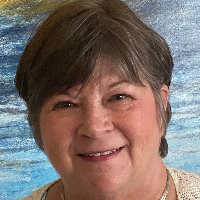
Margaret Couch
LCSW
Compassionate therapist focused on practical change
- Stress, Anxiety
- Parenting
- Bipolar
Illinois 41 years in practice
Clinical social work directory
865 therapists list fertility issues among the things they work with. All offer sessions online, and every profile shows the registering body, the membership number and when it runs to.
On this page you'll find therapists who list fertility issues among their specialties, offering support for reproductive stress, decision-making and emotional well-being. Browse the listings below to review profiles, approaches, languages and experience to find a match for your needs.
LCSW
Compassionate therapist focused on practical change
LPC
Compassionate, practical therapy focused on emotion and change
LPC
Warm, practical therapy for life’s hard moments
LCSW, CSW
Warm, practical therapy for emotional clarity
BACP
Compassionate counsellor helping people find purpose
BACP
Experienced person-centred counsellor for emotional and relationship issues
BACP
Calm, emotion-focused counselling for life challenges
NCPS
Compassionate integrative counsellor with wide cultural experience
BACP
Calm support for stress and relationships
LCSW
Compassionate, experienced therapist for life transitions
LPC
Compassionate counselor for life transitions and emotion work
LCSW
Compassionate therapy for emotional and relational challenges
BACP
Collaborative counselling for relationships and life changes
BACP, NCPS
Calm, practical counselling for real-life struggles
LCSW
Compassionate, practical therapy for life challenges
LMFT
Compassionate therapy for life’s hard transitions
NCPS
Gentle, practical support for overwhelmed adults
BACP
Empathic, practical therapy for life and relationship stress
BACP
Compassionate, practical therapy for everyday struggles
LCSW
Practical support for strong emotional healing
LPC
Compassionate counselor blending emotional and practical work
LMHC
Compassionate counselor for complex emotions
LPC
A steady, practical counselor for emotional change
BACP
Empathic, experienced counsellor for life changes
BACP, NCPS
Warm, collaborative counselling for life changes
LCSW
Compassionate, practical therapy for real life
LMHC
Healing relationships through emotion and skill
BACP
Feeling-focused counsellor for everyday struggles
BACP
Compassionate counsellor focused on emotions and change
BACP
Empathic counsellor specialising in emotional relationships
LMHC
Compassionate, experienced counselor focused on connection
BACP
Experienced counsellor for relationships and life changes
BACP
Compassionate counselling for emotional and relationship struggles
NCPS
Kind, experienced counsellor for emotional healing
LPC
Compassionate, emotion-focused counseling for stressful times
NCPS
Compassionate counsellor for emotional and daily struggles
LCSW
Compassionate, emotion-focused therapy for life changes
AASW
Compassionate social worker blending therapy and lifestyle care
Some links on this page are partner links. We will earn a commission if you sign up through one, at no cost to you. It does not change what you pay or the order of the listings.
Fertility issues can include difficulty conceiving, repeated pregnancy loss, complications related to assisted reproductive technologies, and the emotional fallout after a diagnosis that changes your family planning timeline. These challenges affect people across gender identities, relationship configurations and cultural backgrounds. The experience often goes beyond physical medical questions and touches on identity, intimacy, grief, and the pressure of timelines that may feel imposed by age, finances or social expectations. You may find yourself navigating repeated medical appointments, ambiguous test results and complex treatment decisions while also managing work, relationships and daily life.
For many people, the emotional experience is not linear. You might feel hope, anger, relief, guilt and shame at different times, sometimes all on the same day. There can be a sense of loss for an anticipated future, an altered sense of self, and worry about how to talk about fertility with partners, family members and friends. Those themes can influence sleep, concentration and motivation, and can strain relationships. Therapy offers a space to unpack how fertility-related stress interacts with your values, supports coping with uncertainty, and helps you make decisions that align with your priorities.
You may be wondering whether therapy could help. Common signs include persistent anxiety or depressive symptoms that do not ease with time, difficulty making or managing decisions about treatment options, feeling overwhelmed by repeated medical processes, or ongoing conflict with a partner about next steps. If you find yourself avoiding medical appointments or social situations that involve babies and pregnancy, withdrawing from friends and family, or experiencing intrusive thoughts that interfere with daily functioning, those are signals that additional support could be useful.
Therapy is also helpful when relationships are affected. Couples and partners often face different rhythms of grief and hope, and communication can break down under the pressure of conflicting preferences and expectations. If conversations about parenthood become heated, frequent or stalled, working with a therapist who lists couples work or reproductive counseling among their approaches can provide tools to improve communication and to negotiate shared decisions. Even if you are not in a relationship, therapy can help you process the social and cultural messages about parenthood and create a plan that fits your life.
In an initial session you can expect a therapist to ask about your history, current concerns, and what you hope to get from therapy. This often includes questions about your medical journey, support network, coping strategies, and the ways fertility concerns are showing up in daily life. You and the therapist will likely discuss goals together and decide whether short-term focused work or a longer therapeutic relationship makes sense for you.
Subsequent sessions typically balance emotional processing and practical skills. You may work on managing anxiety before procedures, developing communication strategies for difficult conversations, or processing the grief that accompanies loss or shifts in plans. Therapists often incorporate emotion regulation techniques, stress-reduction practices and relational interventions depending on what you need. Sessions can also include preparation for medical appointments, scripting how to talk with clinicians or family, and strategies to maintain self-care amid frequent appointments and procedures.
Progress in fertility-focused therapy can take many forms. Sometimes it looks like clearer decision-making or improved communication with a partner. Other times it is reduced panic before medical visits, better sleep, or a greater ability to sit with uncertainty. You and your therapist can track what matters to you and adjust focus areas when decisions or medical information change.
Therapists take a range of approaches to support people facing fertility challenges. Some practitioners use cognitive-behavioral strategies aimed at identifying and shifting unhelpful thought patterns that fuel anxiety and depressive symptoms. Others integrate acceptance-based approaches that emphasize values-driven action and ways to live meaningfully alongside uncertainty. If trauma from medical procedures or prior losses is part of the picture, you may find therapists who list EMDR among their approaches or who incorporate trauma-informed, body-based methods to help process distressing memories and physical responses.
Relational work is also common. Many therapists who list couples therapy or family systems among their approaches help partners navigate differing timelines, negotiate decisions about treatments or parenting options, and repair communication ruptures. Mindfulness and stress-reduction practices are frequently woven in to help with emotional regulation during repeated cycles of hopeful expectations and disappointment. Some therapists emphasize cultural sensitivity and will explore how cultural, religious and social expectations shape your experience and choices.
When reading profiles, pay attention to language about the therapist's approach without assuming formal certification. It is appropriate to look for clinicians who explicitly mention reproductive health, loss, infertility, or family-building in their descriptions, and to take note when they mention working with diverse identities and family structures. That information can help you identify therapists who describe experience relevant to the emotional and relational dimensions of fertility work.
Online therapy can make it easier to find a clinician whose approach and experience align with your needs, especially if specialized reproductive counseling is less available in your area. Sessions typically occur over video, phone or messaging platforms, and many therapists adapt techniques to virtual formats. You can work on communication skills with a partner on a shared call, practice relaxation techniques in your home, or process medical information between appointments. Some people appreciate the convenience of meeting from their own familiar environment when discussing sensitive topics.
When using online services, think about the logistics that matter to you. Consider whether you prefer video or audio-only sessions, how you will handle interruptions during calls, and whether you need translation or multi-language support. If sessions may involve partners or family members, discuss with the therapist how to structure those meetings and whether separate or joint sessions might serve your goals. You should also think about how therapy fits with your medical care - many people coordinate notes from therapy with conversations with their fertility clinic, while others keep the therapeutic focus separate.
Choosing a therapist is a personal decision. Start by clarifying what you want from therapy - emotional processing, decision support, couples work, or assistance managing medical-related anxiety. Look for profiles that explicitly reference fertility, reproductive loss, or family-building to ensure the language feels relevant to your situation. Pay attention to statements about working with diverse family configurations and cultural contexts if these factors are important to you.
When you review a therapist's approaches, remember descriptions reflect how a clinician presents their practice rather than formal credential statements. You can reach out to ask practical questions about their experience with fertility-related concerns, how they structure sessions, and what kinds of strategies they tend to use. It is reasonable to inquire about their approach to couple sessions, working with medical teams, or supporting decision-making. If language access matters to you, seek therapists who list fluency in the language you prefer.
Finally, trust your sense of fit. The therapeutic relationship matters more than a particular technique. You may try a few sessions to see whether the clinician's style and focus meet your needs, and whether you feel heard and respected when you bring up sensitive subjects. Over time, a good fit will often feel like a collaborative partnership where you can explore options, process emotions and build strategies to navigate the unique challenges that fertility issues create.
Fertility-related struggles are complex and deeply personal. Whether you are at the start of your journey or navigating more advanced decisions, therapy can be a source of emotional support, practical tools and clearer communication. Use the listings above to explore profiles, approaches and languages so you can find a therapist whose work aligns with the kind of support you want.