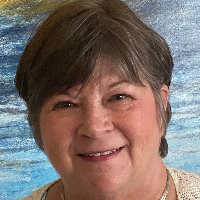
Ranka Smith
BACP
Experienced counsellor focused on emotional connection
- Grief
- Stress, Anxiety
- Relationship
26 years in practice
Clinical social work directory
3,199 therapists list grief among the things they work with. All offer sessions online, and every profile shows the registering body, the membership number and when it runs to.
Discover therapists who list grief among their specialties, with clear information on focus areas, approaches, languages, and experience. Browse the listings below to explore profiles and learn more about practitioners who work with loss.
BACP
Experienced counsellor focused on emotional connection
LCSW
Compassionate therapist focused on practical change
BACP
Understanding emotions to guide practical change
LCMHC
Calm, practical guidance for life's hard moments
LPC
Compassionate, practical therapy focused on emotion and change
PACFA
Compassionate support for emotional and relationship challenges
LPC
Compassionate emotional work with practical tools
BACP
Emotion-focused, practical therapy for life challenges
MD, LCSW-C, LCSW
Compassionate clinician with long-term practical experience
BACP
Compassionate, practical support for emotional struggle
LPC
Warm, practical therapy for life’s hard moments
LPC
Practical, emotion-focused counseling for real life
BACP
Compassionate counsellor for relationship and identity concerns
LCSW, CSW
Warm, practical therapy for emotional clarity
AASW
Sensitive, practical support for emotional healing
NCPS
Compassionate help for emotional and relationship challenges
LPC
Therapist focused on emotion and recovery
BACP
Compassionate counsellor helping people find purpose
LCSW
Compassionate, steady support for emotional healing
BACP
Warm, direct counselling using Emotionally-Focused Therapy
LPCC, LPC
Compassionate counselor focused on relationship repair
BACP
Calm, practical support for emotional struggles
BACP
Experienced counsellor focused on emotions and relationships
BACP
Experienced person-centred counsellor for emotional and relationship issues
BACP
Calm, emotion-focused counselling for life challenges
NCPS
Compassionate integrative counsellor with wide cultural experience
LMFT
Calm guidance to understand and change emotions
LCSW
Trusted LCSW for emotional and relationship challenges
LPC
Compassionate counselor who focuses on emotional connection
BACP
Experienced counsellor offering online emotional support
LCSW
Compassionate, experienced therapist for life transitions
LPC
Hopeful, practical therapy for real-life struggles
LPC
Compassionate counselor for life transitions and emotion work
LCSW
Compassionate therapy for emotional and relational challenges
Some links on this page are partner links. We will earn a commission if you sign up through one, at no cost to you. It does not change what you pay or the order of the listings.
Grief is the natural response to loss, but it rarely looks the same from one person to the next. You may expect sadness, but grief can also show up as anger, anxiety, numbness, relief, or a sense of disconnection from the world around you. It affects your thoughts, relationships, daily routines, and even how your body feels. Some days you may be able to carry on with regular tasks and other days you might find it hard to leave the house. The timing and intensity of these reactions are influenced by your relationship to the person or thing that was lost, cultural and family beliefs about mourning, your personal coping history, and any concurrent stressors in your life.
Feeling overwhelmed does not mean something is wrong with you. Grief can bring up questions about meaning and identity, and you may find yourself reevaluating priorities or doubting long-held beliefs. For many people, the experience reshapes how they envision the future. While grief often softens and becomes integrated over time, the path is rarely linear. You may move between intense emotion, practical planning, and periods of apparent calm, sometimes returning to intense feelings when reminded of the loss by anniversaries, places, or sensory triggers.
You might consider grief-focused support when the losses you carry begin to interfere with the life you want to live. If you are having trouble concentrating at work, withdrawing from relationships, or using substances to numb emotions, therapy can offer structured support for those patterns. You may also notice persistent intrusive thoughts about the loss, chronic guilt, or a sense that you cannot imagine life without the person or role that is gone. If you are facing a traumatic or sudden loss, or if the death involved difficult circumstances, those specifics can complicate the grieving process and increase the intensity of your reaction.
Some people find they are stuck in rumination or avoidance and cannot move through daily tasks without becoming overwhelmed. Others may feel disconnected from meaning or struggle with physical symptoms such as fatigue, sleep disruption, or changes in appetite that do not improve. If you are concerned about how grief is affecting your relationships or your ability to care for yourself, meeting with a therapist who lists grief among their specialties can help you identify practical steps and coping strategies while addressing deeper emotional work.
When you begin sessions focused on grief, you can expect a collaborative process where you and the therapist clarify what matters most to you. Initial conversations typically explore the nature of your loss, your current symptoms, how you have been coping, and your goals for therapy. Some clients want a space simply to tell the story of the person they lost, while others seek tools to manage panic, insomnia, or intense waves of emotion. A therapist will usually work at a pace that respects your tolerance for emotion while offering strategies to help you function day to day.
Therapy may include opportunities to process memories and feelings, develop rituals that honor what was lost, practice grounding techniques for intense moments, and experiment with ways to rebuild routine and meaning. You might spend some sessions focused on practical problem solving - such as navigating family dynamics or legal matters - and others exploring attachment, identity shifts, or unfinished conversations. Many people find it helpful when a therapist normalizes their range of reactions and supports gradual reengagement with life rather than pushing for premature resolution.
Therapists bring a variety of approaches to grief counseling, and many list a mix of methods they use in practice. Some describe narrative approaches that help you create a coherent story around the loss, allowing you to place the memory where it can exist alongside other parts of your life. Other therapists who list cognitive-behavioral approaches focus on identifying unhelpful thought patterns and developing practical skills to manage anxiety, rumination, or low mood that can accompany grief.
There are therapists who list acceptance and commitment approaches that emphasize noticing painful feelings without being ruled by them, and those who include interpersonal methods that look at how loss affects relationships and social support. You will also find practitioners who list meaning-centered or existential approaches, which invite conversations about purpose, legacy, and the values that matter to you after loss. For losses involving traumatic circumstances, some therapists list modalities such as EMDR among their approaches; in those cases it is common for the work to include attention to distressing memories and to pacing emotional activation carefully.
Creative or expressive methods are listed by some clinicians as well, incorporating memory work through writing, art, or ritual to access aspects of grief that can be hard to name. Group formats are another option many therapists list; sharing with others who have experienced loss can reduce isolation and offer different perspectives on coping and meaning-making. Since therapists vary in how they integrate these methods, reviewing practitioner profiles will help you find those who describe an approach that resonates with you.
Online grief therapy has become a common option for people seeking flexibility and access to specialists who may not be local. Sessions can be offered by video, phone, or messaging, and different therapists describe different formats in their profiles. Video sessions allow face-to-face interaction from your home, while messaging or phone options may feel less formal for some people. When you sign up for online sessions, think about the environment you will use on your end - a quiet room, consistent internet connection, and a comfortable chair can make it easier to focus and process difficult emotions.
When choosing a therapist for grief, consider factors beyond modality. Look at the focus areas they list and the types of loss they have experience describing on their profile, such as bereavement after illness, traumatic loss, or non-death losses like relationship endings or job loss. Note the approaches they list and imagine which style might fit you - whether you prefer practical skills, meaning-focused conversations, or expressive work. Language, cultural background, and experience with specific communities may also matter if you want someone who understands cultural mourning practices or has worked with similar life contexts.
Practical questions to consider include fees, whether they accept your insurance, session length, and their typical format for grief work. It is reasonable to ask a potential therapist how they structure grief-focused sessions, how they support clients during intense moments, and what a typical course of work might look like. You may also want to read any practitioner statements about how they approach grief to get a sense of pace and tone, and to choose someone whose written description feels like a comfortable fit. Taking time to match your needs with a therapist's listed specialties and approaches increases the likelihood that your therapeutic time will be meaningful and responsive to the particular losses you are carrying.