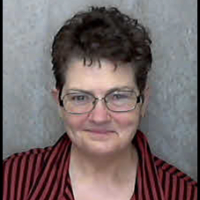
Margaret Couch
LCSW
Compassionate therapist focused on practical change
- Stress, Anxiety
- Parenting
- Bipolar
Illinois 41 years in practice
Clinical social work directory
1,665 therapists list sexual trauma among the things they work with. All offer sessions online, and every profile shows the registering body, the membership number and when it runs to.
This directory page highlights clinicians who identify sexual trauma among their focus areas. Browse the listings below to view profiles, therapeutic approaches, languages, and experience.
LCSW
Compassionate therapist focused on practical change
LPC
Compassionate, practical therapy focused on emotion and change
LCSW
Compassionate, goal-focused support for adults
PACFA
Compassionate support for emotional and relationship challenges
LPC
Compassionate emotional work with practical tools
BACP
Emotion-focused, practical therapy for life challenges
MD, LCSW-C, LCSW
Compassionate clinician with long-term practical experience
BACP
Experienced relational counsellor for adults
LPC
Warm, practical therapy for life’s hard moments
BACP
Compassionate counsellor for relationship and identity concerns
LCSW, CSW
Warm, practical therapy for emotional clarity
NCPS
Compassionate help for emotional and relationship challenges
LCSW
Compassionate, steady support for emotional healing
LMFT
Experienced therapist focused on relationships and emotion
BACP
Calm, practical support for emotional struggles
BACP
Experienced counsellor focused on emotions and relationships
BACP
Experienced person-centred counsellor for emotional and relationship issues
BACP
Calm, emotion-focused counselling for life challenges
NCPS
Compassionate integrative counsellor with wide cultural experience
LMFT
Calm guidance to understand and change emotions
LCSW
Trusted LCSW for emotional and relationship challenges
BACP
Experienced counsellor offering online emotional support
LCSW
Compassionate, experienced therapist for life transitions
LCSW
Compassionate therapy for emotional and relational challenges
LMHC
Compassionate, practical support for emotional change
LMHC
Compassionate therapist focused on emotional healing
LCSW
Compassionate, practical therapy for life challenges
LMHC
Practical support for emotional healing and change
BACP
Compassionate counsellor for emotional clarity
LPC
Practical, emotion-focused counseling for life challenges
LMHC
Compassionate counselor helping people move forward
LPC
Practical support for emotional and relationship struggles
LMFT
Compassionate therapy for life’s hard transitions
BACP
Calm, emotion-focused counselling for everyday struggles
NCPS
Gentle, practical support for overwhelmed adults
LCSW
Compassionate, emotion-focused support for life changes
LCSW
Supportive LCSW guiding practical emotional change
BACP
Calm, practical support for emotional change
ACA
Compassionate counsellor for relationships and trauma
LCSW
Compassionate, emotion-focused therapy for real life
BACP, NCPS
Compassionate practical counselling for life challenges
BACP
Compassionate, practical therapy for everyday struggles
Some links on this page are partner links. We will earn a commission if you sign up through one, at no cost to you. It does not change what you pay or the order of the listings.
Sexual trauma refers to experiences in which sexual activity occurs without clear, willing consent or where a person feels coerced, forced, or violated. It spans a wide range of events, from assault and abuse to exploitation and harassment, and it can occur in childhood, adolescence, or adulthood. Because sexual trauma touches some of the most personal parts of identity and embodiment, its effects often ripple across emotional, relational, cognitive, and physical domains. You might notice shifts in how you respond to intimacy, trust, and personal boundaries, or you might experience changes in mood, concentration, and overall sense of safety in the world.
Reactions to sexual trauma vary widely. Some people have vivid, intrusive memories or nightmares, while others feel numb or disconnected. Some notice heightened arousal or anxiety in certain settings; others may withdraw from relationships or struggle with sexual functioning. The body can hold memories too, and sensations such as tension, pain, or autonomic reactions can be part of the post-traumatic experience. Because these responses are shaped by personal history, culture, and support systems, what helps one person may not be the right fit for another. A compassionate, trauma-informed approach in therapy acknowledges this variability and supports personalized healing over time.
Deciding whether to seek therapy is a personal choice, but there are common signs that suggest professional support could be helpful. You might find that intrusive thoughts or images disrupt daily life, or that reminders of an event trigger intense emotional or physical reactions. Sleep disturbances, frequent nightmares, or persistent anxiety are often connected to unresolved traumatic experience. You may also notice patterns in relationships - difficulty trusting others, fear of vulnerability, or avoidance of closeness - that interfere with connection and well-being.
Some people turn to alcohol, drugs, or other behaviors to manage overwhelming feelings, while others experience a blunting of emotions and a sense of disconnection. Changes in sexual desire, difficulties with arousal, or painful associations with intimacy can all be related to sexual trauma. If you find that memories or reactions intrude on work, study, parenting, or daily routines, therapy can offer strategies to reduce distress and build skills for coping. Seeking help does not imply weakness; it is a way to reclaim agency and to develop more resources for safety, regulation, and choice.
Therapy for sexual trauma often begins with an intake conversation that explores your history, current concerns, and goals. A thoughtful clinician will discuss how they approach trauma work and ask about what feels manageable for you. Early sessions commonly focus on building stabilization skills - ways to regulate intense emotions and ground within the body - so that you have tools to manage distress between sessions. This foundational work helps create a sense of control and predictability before any deeper processing is attempted.
Pacing is central to effective trauma therapy. You and the clinician collaborate on timing and methods, and consent is revisited frequently. Sessions can involve talking through memories and emotions, learning breathing and mindfulness practices, exploring relational patterns, or working with the body to notice sensations and responses. Some people find that writing, imagery, or gentle exposure practices help them integrate difficult memories. Others prefer to focus on current coping strategies, rebuilding relationships, and re-establishing boundaries. Throughout, the emphasis is on your agency - what feels tolerable, what you want to address, and how progress is measured in ways that matter to you.
A range of therapeutic approaches are used to address sexual trauma, and different methods suit different needs. Many clinicians use cognitive-behavioral techniques to help you identify and shift patterns of thought and behavior that maintain distress. If you are seeking approaches that engage the body, look for clinicians who list somatic methods among their approaches, or who emphasize body-based resources and interoceptive awareness. If relational dynamics are central to your experience, therapists who describe attachment-informed or interpersonal approaches may focus on repairing trust and practicing new relational skills.
Some therapists include trauma-focused modalities among their approaches to address memory and processing directly. You may find clinicians who list EMDR among their approaches, a method that some people use to work with distressing memories and associated beliefs. Others may list internal family systems among their approaches, which explores internal parts and self-leadership as a path toward healing. It is common for therapists to combine techniques from several approaches to fit a person’s needs. If nervousness about specific techniques is present, it is appropriate to ask how a clinician integrates methods and how they will support you through each step.
Online therapy can create access to clinicians who specialize in sexual trauma beyond geographical limits. Sessions typically take place by video call, phone, or text-based messaging, allowing you to engage from a place that feels comfortable. Before beginning, it helps to clarify expectations about session length, communication outside sessions, and how the therapist handles emergencies or urgent concerns. Make sure there is a plan for what to do if a session becomes overwhelming, including steps for grounding and for contacting local supports if needed. A reliable internet connection and a quiet, comfortable setting can make sessions more useful, and some people find that being in a familiar environment reduces stress when discussing difficult memories.
When selecting a therapist for sexual trauma, focus on fit more than labels. Read profiles to see if a clinician lists sexual trauma among their focus areas and note the approaches, languages, and cultural perspectives they describe. Consider whether you prefer a clinician who emphasizes body-based work, cognitive strategies, relational approaches, or a blend. If cultural identity, gender, or sexual orientation are important to you, prioritize clinicians who indicate work with those aspects of experience. Asking about experience with trauma-informed care, how they establish consent and boundaries in therapy, and how they handle pacing can give insight into their practice style without implying formal certification.
It is also reasonable to reflect on practical matters such as session format preferences, fees, and whether a clinician works with specific age groups or relationship situations. Many people find it helpful to have an initial conversation to get a sense of rapport - how the clinician listens, responds to emotion, and respects your pacing. Trust often builds slowly, and feeling heard and respected in early interactions is a useful sign. Healing after sexual trauma is rarely linear, but finding a clinician whose approach aligns with your needs can support steady progress. Take time to match your preferences to what therapists describe in their profiles, and choose a path that feels grounded in your priorities and safety.