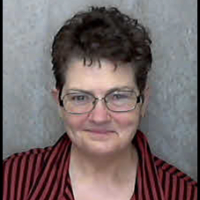
Ranka Smith
BACP
Experienced counsellor focused on emotional connection
- Stress, Anxiety
- Relationship
- Self esteem
26 years in practice
Clinical social work directory
2,855 therapists list social anxiety and phobia among the things they work with. All offer sessions online, and every profile shows the registering body, the membership number and when it runs to.
This page lists therapists who specialize in social anxiety and phobia, with profile details on approaches, credentials, languages, and clinical focus areas. Browse the listings below to learn more about practitioners who may match your needs.
BACP
Experienced counsellor focused on emotional connection
LCSW
Compassionate therapist focused on practical change
BACP
Understanding emotions to guide practical change
LCMHC
Calm, practical guidance for life's hard moments
BACP
Calm, practical support for emotional challenges
LPC
Compassionate, practical therapy focused on emotion and change
LCSW
Compassionate, goal-focused support for adults
LMFT
Trusted therapist for relationships and trauma
LPC
Compassionate emotional work with practical tools
BACP
Emotion-focused, practical therapy for life challenges
MD, LCSW-C, LCSW
Compassionate clinician with long-term practical experience
BACP
Experienced relational counsellor for adults
BACP
Compassionate, practical support for emotional struggle
LPC
Warm, practical therapy for life’s hard moments
LPC
Practical, emotion-focused counseling for real life
BACP
Compassionate counsellor for relationship and identity concerns
LCSW, CSW
Warm, practical therapy for emotional clarity
AASW
Sensitive, practical support for emotional healing
NCPS
Compassionate help for emotional and relationship challenges
LPC
Therapist focused on emotion and recovery
BACP
Compassionate counsellor helping people find purpose
LCSW
Compassionate, steady support for emotional healing
BACP
Compassionate counsellor for emotional healing
BACP
Warm, direct counselling using Emotionally-Focused Therapy
LPCC, LPC
Compassionate counselor focused on relationship repair
LCSW
Experienced LCSW focusing on emotion and healing
BACP
Calm, practical support for emotional struggles
BACP
Experienced person-centred counsellor for emotional and relationship issues
BACP
Calm, emotion-focused counselling for life challenges
LCSW
Practical emotional work for adults
LMHC
Calm, practical support for everyday challenges
NCPS
Compassionate integrative counsellor with wide cultural experience
LPC
Compassionate counselor who focuses on emotional connection
LMHC
Compassionate counselor for practical change
BACP
Calm support for stress and relationships
LCSW
Compassionate, experienced therapist for life transitions
LCMHC
Compassionate therapist for life's hard moments
LCSW
Attachment-focused therapist for relationship and stress concerns
LPC
Compassionate counselor for life transitions and emotion work
LCSW
Compassionate therapy for emotional and relational challenges
Some links on this page are partner links. We will earn a commission if you sign up through one, at no cost to you. It does not change what you pay or the order of the listings.
Social anxiety and phobia refer to a pattern of intense worry about social situations where you fear being judged, embarrassed, or negatively evaluated. For some people this worry is tied to specific circumstances, such as public speaking or performance settings, while for others it colors most interactions with peers, coworkers, or even family. The experience is more than occasional nervousness - it can cause you to avoid events, decline opportunities, or expend large amounts of energy managing nerves before and after social contact.
The ways social anxiety affects daily life are varied. You may notice physical symptoms like sweating, trembling, a racing heart, or a sense of disorientation when you enter crowded spaces. You might replay conversations afterward, worry about perceived mistakes for days, or avoid social gatherings that could advance your career or personal life. These patterns often have ripple effects on relationships, work performance, and your sense of self-confidence. Recognizing the common features can help you understand whether targeted therapeutic support could be helpful.
If social situations leave you feeling overwhelmed in ways that interfere with your goals or relationships, therapy can offer tools and strategies to reduce that burden. You might find yourself turning down invitations, missing professional opportunities, or relying on avoidance strategies that feel increasingly limiting. Difficulty asserting yourself, repeated rumination about social interactions, and a pattern of comparing yourself harshly to others are other indicators that therapy could be useful.
Therapy is also worth considering if you are experiencing panic-like reactions in social contexts, if you depend heavily on alcohol or other substances to manage nerves, or if your worry leads to persistent low mood or withdrawal. You do not need to wait until symptoms are severe to seek support. Early engagement with a therapist can help you develop skills and practice that reduce the intensity of symptoms and restore a greater sense of control over your social life.
When you start therapy for social anxiety, your therapist will typically begin with a conversation about your history, the situations that provoke anxiety, and the impact on your day-to-day life. Together you and the therapist will set goals that reflect what you want to change - whether that is speaking up in meetings, attending social events with less dread, or reducing avoidance behaviors. The initial phase is often exploratory, with an emphasis on creating a therapeutic relationship where you feel heard and understood.
Therapy sessions tend to be practical and skill-focused while also addressing underlying patterns. You may work on identifying and testing anxious thoughts, practicing new behaviors through role-play, and planning gradual exposure to feared situations. Homework between sessions is common because practicing in real-world settings is a key part of learning. Progress can be nonlinear; setbacks are part of the process and are used as opportunities to adjust strategies and build resilience.
Cognitive behavioral approaches are frequently recommended because they combine cognitive work - examining and reframing unhelpful thoughts - with behavioral steps such as exposure. You may encounter therapists who list CBT among their approaches, and in practice this often means structured sessions that emphasize measurable goals and skill building. Exposure-based work helps you confront feared situations in a gradual, planned way so the anxiety response can lessen over time.
Acceptance and commitment approaches encourage you to notice anxious thoughts without getting entangled in them while committing to actions that align with your values. Mindfulness and relaxation practices can help you manage physiological arousal in the moment. Some therapists integrate interpersonal or psychodynamic perspectives to explore how long-standing relationship patterns or early experiences shape current social fears. Group therapy can be especially helpful because it offers real-time practice with feedback from peers. You may also find therapists who list EMDR among their approaches; some people explore that option as part of a broader plan. For some individuals, psychotherapy is coordinated with psychiatric consultation for medication management - if you are considering that route you can discuss collaborative care with your clinician.
Online therapy uses video, phone, or messaging to deliver clinical support. Many aspects of in-person treatment translate well to a remote format - assessment, cognitive work, and planning exposures can all be conducted remotely. For exposures, your therapist can help you design in-the-moment homework that you carry out between sessions, and you can report back on what happened. Virtual sessions may make it easier to begin care because you can meet from a familiar, quiet, and comfortable environment. Group therapy is also offered online in many settings, providing opportunities for practice in a moderated, real-time setting.
To make online therapy effective for social anxiety, establish a reliable internet connection and a spot where you can talk without interruptions. Use your camera when possible so you can practice eye contact and receive nonverbal feedback. If you have concerns about technology or about doing exposure work remotely, bring those into early sessions; a good therapist will tailor techniques to fit the online format and your comfort level.
When looking through listings, focus on several practical factors. Look for therapists who list experience with social anxiety and phobia as part of their clinical focus, and note the therapeutic approaches they mention. If you prefer a structured, skills-based path you might prioritize therapists who list CBT and exposure-based methods among their approaches. If you want to explore emotional patterns or relationships that inform your anxiety, look for clinicians who list psychodynamic or interpersonal work. Consider language preferences, cultural background, and population focus - for example, some therapists list experience working with adolescents, young adults, or LGBTQ clients.
Read clinician bios to get a sense of communication style and therapeutic priorities. Think about logistics that matter to you - session length formats, fee structures, and whether you prefer individual or group options. Contacting a therapist to ask about their general approach to social anxiety can help you evaluate whether their methods resonate with you. Trust your sense of fit - the relationship you build with a therapist often contributes significantly to the outcome of treatment. Finally, recognize that finding the right match can take time, and it is reasonable to look at multiple profiles until you find a clinician whose approach and background align with your goals.