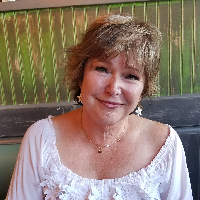
Ranka Smith
BACP
Experienced counsellor focused on emotional connection
- Stress, Anxiety
- Relationship
- Self esteem
26 years in practice
Clinical social work directory
2,696 therapists list women's issues among the things they work with. All offer sessions online, and every profile shows the registering body, the membership number and when it runs to.
This page features therapists who focus on women's issues, including reproductive health, perinatal and menopausal concerns, relationship and identity topics. Browse the practitioner listings below to review focus areas, clinical approaches, credentials and language options.
BACP
Experienced counsellor focused on emotional connection
LCSW
Compassionate therapist focused on practical change
LPC
Compassionate, practical therapy focused on emotion and change
PACFA
Compassionate support for emotional and relationship challenges
LPC
Compassionate emotional work with practical tools
BACP
Emotion-focused, practical therapy for life challenges
MD, LCSW-C, LCSW
Compassionate clinician with long-term practical experience
BACP
Experienced relational counsellor for adults
LCSW
Emotion-focused care for everyday struggles
LCSW, CSW
Warm, practical therapy for emotional clarity
NCPS
Compassionate help for emotional and relationship challenges
LPC
Therapist focused on emotion and recovery
BACP
Compassionate counsellor helping people find purpose
BACP
Compassionate counsellor for emotional healing
BACP
Calm, practical support for emotional struggles
BACP
Experienced counsellor focused on emotions and relationships
BACP
Experienced person-centred counsellor for emotional and relationship issues
BACP
Calm, emotion-focused counselling for life challenges
LMHC
Calm, practical support for everyday challenges
NCPS
Compassionate integrative counsellor with wide cultural experience
LMFT
Calm guidance to understand and change emotions
LCSW
Trusted LCSW for emotional and relationship challenges
LPC
Compassionate counselor who focuses on emotional connection
BACP
Experienced counsellor offering online emotional support
LMHC
Compassionate counselor for practical change
LCSW
Compassionate, experienced therapist for life transitions
LPC
Hopeful, practical therapy for real-life struggles
LCMHC
Compassionate therapist for life's hard moments
LCSW
Attachment-focused therapist for relationship and stress concerns
LPC
Compassionate counselor for life transitions and emotion work
LCSW
Compassionate therapy for emotional and relational challenges
LMHC
Compassionate, practical support for emotional change
LMHC
Compassionate therapist focused on emotional healing
BACP
Collaborative counselling for relationships and life changes
BACP, NCPS
Calm, practical counselling for real-life struggles
LCSW
Compassionate, practical therapy for life challenges
LMFT
Emotion-focused care with practical tools
LMHC
Practical support for emotional healing and change
AASW
Compassionate online therapy with practical tools
BACP
Compassionate counsellor for emotional clarity
Some links on this page are partner links. We will earn a commission if you sign up through one, at no cost to you. It does not change what you pay or the order of the listings.
Women's issues is a broad term that covers emotional, relational and life-stage concerns that often intersect with biological and social factors. You may be seeking help related to reproductive events such as pregnancy loss, fertility challenges, pregnancy and postpartum transitions, or the emotional impacts of gynecological conditions. Other common areas include menopause and hormonal shifts, body image and eating concerns, relationship dynamics shaped by gender expectations, caregiving stress, and the psychological effects of trauma or intimate partner violence. These experiences can affect mood, energy, self-esteem and daily functioning in ways that feel confusing or overwhelming.
For many people, women's issues are not isolated to a single episode. They can emerge or re-emerge at transitional moments - when you become a parent, return to work, confront a health change, face age-related transitions, or navigate shifts in identity and sexuality. Cultural roles, family expectations and workplace pressures can amplify stress and complicate how you cope. Therapists who specialize in women's issues often approach concerns with attention to how social context, life stage and physical health interact with mental and emotional wellbeing, helping you name patterns and develop ways to manage the unique challenges you face.
You might consider therapy if you notice lasting changes in mood or daily functioning tied to reproductive or gender-related experiences. Persistent feelings of sadness, heightened anxiety, intense shame about body or sexual identity, or repeated difficulties in relationships are common reasons people seek support. You may also find that events like miscarriage, a challenging pregnancy, infertility, postpartum adjustment, or menopause-related changes trigger grief, anger or disconnection that does not resolve on its own.
Other signs that therapy could help include recurring conflicts with partners or family members related to gender roles, difficulty asserting needs at work or home, avoidance of intimacy, or difficulty processing traumatic events. If you experience sleep disruption, changes in appetite, intrusive thoughts, or a sense that your reactions are larger than the situation warrants, talking with a clinician who focuses on women's issues can provide space to understand these responses and develop coping strategies. Therapy can also be useful when you want support exploring identity, sexuality, cultural expectations or the emotional side of medical decisions.
Sessions typically begin with an intake conversation where you and the therapist identify the concerns that brought you to therapy and set collaborative goals. You can expect a space where your experiences are listened to and explored at your pace, with attention to both emotional reactions and practical problems. Early sessions often focus on understanding patterns - how past experiences, relationships and stressors influence current feelings - and on developing immediate tools for managing distress, such as breathing techniques, grounding practices or communication strategies.
As therapy continues, you and the clinician may explore deeper themes connected to life stage, body image, sexual identity or family roles. For reproductive-related concerns, therapists may coordinate or communicate with medical professionals when you want integrated support that considers both emotional and physical factors. Sessions can also include partner work when relationship dynamics are central to the concern, or family-focused conversations when caregiving roles and family expectations are part of the difficulty. Progress looks different for each person - for some it is symptom reduction, for others it is clearer boundaries, improved relationships or a renewed sense of agency.
Therapists bring a range of approaches to this specialty, and you will often find clinicians who list cognitive-behavioral methods among their approaches, which focus on identifying and shifting unhelpful thinking patterns and behaviors. Others may integrate psychodynamic perspectives to explore how earlier relationships shape current patterns, or interpersonal approaches that emphasize communication and relational change. There are therapists who list somatic methods among their approaches, which attend to the body and bodily sensations as part of emotional processing, and those who list mindfulness-based approaches that teach present-moment awareness and stress regulation skills.
For trauma-related concerns, you may see clinicians who list trauma-focused approaches or EMDR among their approaches, which prioritize processing distressing memories in ways intended to reduce their ongoing emotional hold. Narrative-oriented therapists may work with the stories you tell about yourself to uncover new meanings and possibilities. Couples therapy approaches are sometimes listed by clinicians who work with relationship challenges tied to gender and family roles. When reviewing profiles, pay attention to how therapists describe their approaches so you can match a style that feels right for your needs.
Online therapy has become a practical option for many people dealing with women's issues because it lowers geographic barriers and can make scheduling easier around caregiving or work responsibilities. Teletherapy is commonly conducted by video, with alternatives like phone or text-based messaging offered by some clinicians. Before sessions begin you and your therapist will discuss how online sessions will be conducted, how to handle interruptions, and what to do in case of technical problems or if you need additional local supports.
When you meet online, it helps to identify a quiet, quiet space in your home where you can speak freely and feel at ease. Some people choose to sit in a comfortable chair, use headphones for better audio privacy, or arrange a time when others are not present. If your concern involves a medical issue or an urgent safety plan, your therapist may ask about local resources and preferred emergency contacts in your area so that care can be coordinated if needed. Online work can include many of the same therapeutic tasks as in-person therapy - processing emotions, building coping skills, working with partners or family members via video, and coordinating with other health professionals when that is helpful.
Choosing a therapist is a personal decision that depends on the issues you want to address, the approach that fits your style, and the interpersonal connection you feel. Start by clarifying what matters most - whether you need support with a specific reproductive event, ongoing mood symptoms, relationship work, trauma processing, or identity exploration. Look for therapists who list relevant focus areas and approaches in their profiles, and consider their stated experience with particular life stages or cultural communities that matter to you.
Pay attention to practical factors that influence fit, such as session format preferences, languages spoken, and whether you prefer a clinician who works with individuals, couples or families. It is reasonable to reach out with a brief message or phone consultation to get a sense of how a therapist frames their work and whether their style resonates with you. As you speak with potential clinicians, notice whether they listen to your priorities, offer clear explanations about their methods, and invite collaborative goal-setting. The right match often comes down to feeling heard and understood, and to a practical alignment between your needs and the therapist's focus areas and approaches.
Remember that seeking help for women's issues is a proactive step toward understanding and managing complex emotional and life-stage challenges. Whether your concerns are immediate or long-standing, therapy can offer a place to process experiences, develop new skills, and explore meaningful changes in how you relate to yourself and others.