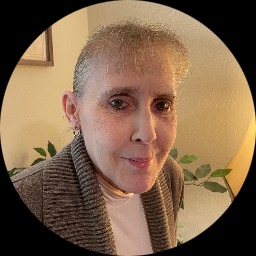
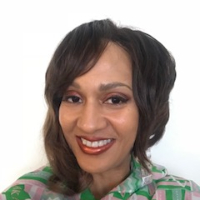
Karin Johnson
LMSW
Compassionate social worker focused on relationships
- Stress, Anxiety
- Relationship
- Family
Michigan 21 years in practice
Clinical social work directory
85 therapists in this directory list Licensed Master Social Worker (LMSW). Registration details are shown as each therapist lists them; the body's own public register is the place to check a number.
A Licensed Master Social Worker (LMSW) is a clinician who has completed a graduate social work degree and met state licensure requirements to practice social work. Browse the verified LMSW therapists listed below to review their specialties, theoretical approaches, and languages.
Use profile details to find practitioners whose focus and experience align with what you need.
LMSW
Compassionate social worker focused on relationships
LMSW
Practical emotional work for life changes
LMSW
A focused, emotion-led path through deep pain
LMSW
Compassionate, emotion-focused therapy for change
LMSW
Compassionate therapist focusing on emotional healing
LMSW
Compassionate, practical therapy focused on relationships
LMSW
Supportive therapist focused on emotional connection
LMSW
Brief, practical therapy focused on emotions and change
LMSW
Compassionate social worker supporting emotional healing
LMSW
Compassionate, practical therapy for life’s challenges
LMSW
Calm, experienced social worker guiding practical change
LMSW, LCSW, CSW
Compassionate social worker focused on relationships
LMSW, LCSW
Compassionate clinician for emotional healing
LMSW
Compassionate, practical support for everyday struggles
LMSW
Compassionate therapist for emotional healing
LMSW
Compassionate therapist focusing on emotional healing
LMSW
Collaborative, emotion-focused therapy and skills
LMSW
Compassionate, practical therapy focused on emotions
LMSW, LCSW
Compassionate therapist blending emotional and practical work
LMSW, LCSW
Calm, practical help for relationship and life challenges
LICSW, LMSW
Therapist focused on feelings and change
LMSW
Calm, practical support for life’s hard changes
LMSW
Compassionate social worker focused on emotional change
LPC, LMSW
Practical emotional work for lasting change
LMSW
Compassionate therapist focused on emotions and change
LMSW, LCSW
Compassionate therapy for identity and emotion
LMSW
Compassionate help for emotional and relationship struggles
LMSW
Compassionate therapist blending emotion-focused care
LMSW
Compassionate, practical support for emotional struggles
LMSW
Compassionate therapist focused on practical coping
LMSW, LICSW
Compassionate, practical therapy for everyday life
LMSW
Compassionate, practical therapy for emotional change
Some links on this page are partner links. We will earn a commission if you sign up through one, at no cost to you. It does not change what you pay or the order of the listings.
An LMSW title indicates that a clinician has completed a master of social work degree from an accredited program and has met the educational and examination requirements set by their state licensing board. The graduate curriculum typically covers human behavior, assessment, social policy, research methods, and clinical interventions. In addition to coursework, candidates complete supervised field placements that expose them to a range of practice settings and client populations. After graduation, applicants apply to the state board for licensure and must pass a standardized exam to obtain an LMSW credential. The exact steps and terminology vary by jurisdiction, but the LMSW designation signals a professional foundation in social work practice and ethics.
When you encounter the LMSW credential, it reflects formal graduate training and successful completion of a licensure process. That background prepares clinicians to work with individuals, families, and groups across many concerns, with a professional focus on social context, strengths, and systems-level factors that affect wellbeing.
The scope of practice for an LMSW overlaps with other mental health licenses in some areas and differs in others. LMSW clinicians are trained to assess client needs, provide counseling, develop treatment plans, and coordinate resources. Their social work education places strong emphasis on understanding clients within their broader social, economic, and community contexts, and on linking people to community supports. In many states LMSWs can provide psychotherapy under the LMSW title, though some states require additional supervised experience or an advanced clinical license for independent practice. Other license types such as licensed professional counselors or licensed clinical social workers may have different post-graduate supervision or exam requirements. When you compare credentials, consider whether a license authorizes independent practice, what level of supervised experience was required, and how each discipline emphasizes different frameworks for assessment and intervention.
Choosing a clinician often involves more than license type alone. Training background, years of practice, experience with specific populations, and the therapeutic approaches a clinician lists on their profile can all shape the kind of support you receive.
LMSW clinicians work across many practice areas and settings, including community agencies, hospitals, schools, nonprofit organizations, and independent practice. Common specialties include working with children and adolescents, families, trauma-related concerns, grief and loss, relationship challenges, substance use, stress and adjustment, and life transitions. Many LMSWs focus on population-specific work, such as supporting older adults, caregivers, veterans, or people navigating disability-related issues. Because social work training centers on social systems, LMSW therapists often bring attention to practical resources such as housing, benefits, or community supports as part of a holistic treatment plan.
Profiles of LMSW therapists will typically list the approaches they use and the populations they serve. When you read a profile, note phrasing like therapists who list cognitive behavioral therapy, family systems, or mindfulness among their approaches. That wording reflects the methods a clinician reports using, which can help you decide whether their style matches what you are seeking. It is also helpful to see whether a clinician emphasizes coordination with other providers or community services when complex needs are present.
Verifying a licensing credential helps you confirm that a clinician has met state requirements for practice. Each state licensing board maintains a public registry where you can look up a practitioner by name or license number to see licensure status, expiration date, and any board actions. If a profile on this site lists a state and license number, you can use that information to search the appropriate board website. In addition to the licensing board, educational institutions can verify whether a clinician completed an accredited master of social work program. While you are reviewing credentials, you may also find value in reading a clinician's professional biography to understand their areas of focus and experience level. Keep in mind that therapist profiles may list approaches and focus areas that reflect what clinicians report offering, which is different from formal certification in a specific method.
When you verify credentials, take note of the license type and any requirements for independent practice in that state. If you have specific questions about a clinician's experience, contact their listed office or practice contact to request further information about training and professional history.
Choosing an LMSW therapist can offer particular advantages if you value a social work perspective that integrates individual wellbeing with social context. LMSW clinicians are often skilled in assessing needs across systems and helping clients access community resources. If your concerns involve family dynamics, social determinants of health, or coordination with schools or medical providers, you may find that an LMSW brings a practical, systems-oriented approach to care. Because LMSWs practice in a variety of settings, they can also offer perspectives grounded in community services and advocacy.
When you are searching for the right LMSW therapist, start by reflecting on what matters most to you. Consider the population you identify with, the types of challenges you want to address, and the therapeutic approaches that resonate with you. Use profile information to look for clinicians who list relevant specialties and approaches, and pay attention to languages spoken and the settings where they have worked. Reading a clinician's biography can give you a sense of their orientation and typical client focus. If a profile mentions specific approaches, remember to read that as the clinician listing those approaches rather than a guarantee of formal certification.
Trust your sense of fit when evaluating profiles. You might prioritize someone who describes experience with similar life circumstances, or a clinician whose described approach aligns with how you prefer to work - for example, a focus on practical problem solving, longer-term exploration, or family-centered interventions. Practical considerations such as location, session format, and how a clinician describes their practice policies can also help you narrow your search. Taking time to review several profiles and reading descriptions closely can help you identify LMSW therapists whose background and focus feel like a good match for your needs.
If you are ready to explore options, use the listing grid above to view LMSW therapist profiles and filter by specialties, languages, and approaches. When you find profiles that match your priorities, the information provided can help you decide who to contact for a conversation about whether their practice aligns with what you are looking for.