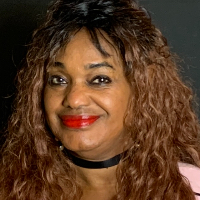
Annie Allen, LMSW
Michigan · 20 years in practice
Annie Allen is a licensed master social worker with 20 years of experience in medical and mental health settings.
License and registration
- LMSW, Michigan
- 6801067985 · expires February 2026
- NPI
- 1154746303 · national provider identifier
- Years in practice
- 20
- Languages
- English
Details are as listed on the therapist's public professional profile. You can check the license with the issuing state board, and the NPI with the national registry.
About Annie
Annie Allen is a licensed master social worker with 20 years of experience in medical and mental health settings. She offers calm, direct support and listens closely to what matters most to each person. Annie emphasizes teamwork in therapy and treats people with dignity and respect.
Her practice focuses on everyday problems like stress, anxiety, depression, grief, and sleep troubles. She also helps people facing trauma, intimacy-related concerns, anger, compassion fatigue, and ADHD.
Background and approach
Additional areas of attention include HIV/AIDS, hospice and end-of-life concerns, multicultural issues, OCD and related habits, and seasonal mood changes. In sessions she uses practical tools from cognitive behavioral therapy and acceptance and commitment therapy alongside client-centered listening. She draws on emotionally-focused therapy when emotions and relationship patterns are central to the issue.
Dialectical behavior therapy skills are offered for emotion regulation and coping strategies. Annie has led groups and community programs for seniors and faith communities, and she brings that community experience into individual work. She helps people build day-to-day strategies to cope with chronic conditions, grief, and life transitions.
Expect clear goals, step-by-step skill building, and steady support. People who prefer collaborative, respectful care often find her approach helpful. She encourages clients to use their own strengths while trying new ways to manage problems.
Therapy is presented as a team effort toward practical change.
Focus areas and approaches
Everything Annie lists on their public professional profile, in their own terms.
- Stress, Anxiety
- Grief
- Self esteem
- Depression
- Coping with life changes
- Trauma and abuse
- Intimacy-related issues
- Sleeping disorders
- Parenting issues
- Anger management
- Compassion fatigue
- ADHD
- HIV / AIDS
- Hospice and end-of-life counseling
- Jealousy
- Multicultural concerns
- Obsessions, compulsions, and OCD
- Paranoia
- Prejudice and discrimination
- Seasonal Affective Disorder (SAD)
- Self-harm
Approaches Annie names
- Emotionally-Focused Therapy (EFT)
- Acceptance and Commitment Therapy (ACT)
- Client-Centered Therapy
- Cognitive Behavioral Therapy (CBT)
- Dialectical Behavior Therapy (DBT)
- Mindfulness Therapy
- Motivational Interviewing
- Solution-Focused Therapy
Naming an approach is not evidence of training in it. This directory copies what each therapist lists and does not check training records.
Online support
Using emotion-focused and evidence-based approaches online
Emotionally-Focused Therapy centers on understanding and shifting emotional patterns that get repeated in relationships and personal life. It helps people notice strong emotions, name them, and respond in ways that change old patterns and improve connection with others.Acceptance and Commitment Therapy helps people notice thoughts and feelings without getting stuck in them. It focuses on values-based action and practical exercises to increase psychological flexibility and handle stress or grief. Cognitive Behavioral Therapy looks at the links between thoughts, feelings, and behaviors and uses simple experiments and skills to reduce worry, depression, and sleep problems.
Choosing the right approach is part of the work together. The therapist will discuss goals, preferences, and what feels most useful, then try methods that fit those needs. That collaborative process guides which techniques are emphasized over time.
Online sessions are offered by video call, phone, live chat, or text-based messaging to fit different schedules and needs. Video calls work well for deeper conversations and emotion-focused work. Phone sessions can be easier when bandwidth is low or a shorter check-in is needed. Live chat and messaging offer quick access for brief coaching, skill practice, and homework between longer sessions.
We will earn a commission if you sign up through our link, at no cost to you. It does not change what you pay or the order of the listings.
Questions people ask
What kinds of concerns does Annie address?
She works with stress, anxiety, depression, grief, sleep problems, trauma, intimacy-related issues, anger, compassion fatigue, ADHD, and related concerns listed in her profile.
What is her general therapy style?
Her style is collaborative and practical, combining active listening with skill teaching and clear goals to help people manage daily challenges.
What background does she bring to sessions?
She has 20 years of experience in medical and mental health services and has led community and support groups for seniors and faith-based settings.
What credentials and location are on record?
She holds an LMSW, which is a Licensed Master Social Worker, and provides services from Michigan.
Which languages are supported for sessions?
Sessions are offered in English.
What session formats are available?
She works through video calls, phone sessions, live chat, and text-based messaging.
How are costs handled?
Cost varies by location and therapist availability; sessions use a subscription model that can be canceled at any time.
How do I begin working with her?
Click the Start Therapy button, fill out a short matching questionnaire, and then schedule sessions according to the therapist's availability.
More therapists in Michigan
See all
Prof. Ryan Davis
LPC
Practical, emotion-focused counseling for real life
- Stress, Anxiety
- Addictions
- Relationship

Ruth Vanden Bosch
LPC
Compassionate counselor blending emotional and practical work
- Stress, Anxiety
- LGBT
- Relationship

Karin Johnson
LMSW
Compassionate social worker focused on relationships
- Stress, Anxiety
- Relationship
- Family

Is this your profile?
Ask us to correct details or take the page down.
Contact us