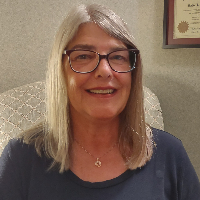
Richard Reihing
LPCC
Compassionate counselor focusing on emotional connection
- Trauma and abuse
- Self esteem
- Depression
Ohio 14 years in practice
Clinical social work directory
77 therapists in this directory hold a licence issued in Ohio and name systemic therapy among their approaches. Sessions are online; a US therapist can usually only see people in a state where they hold a licence, so check the credentials panel on each profile.
Welcome to our directory for online therapists serving Ohio. All therapists listed here are licensed in Ohio and describe their approaches and focus areas in their profiles. Explore the listings to find practitioners whose experience and methods match the support you want.
LPCC
Compassionate counselor focusing on emotional connection
LPCC
Compassionate counselor focused on emotional change
LISW
A steady, strengths-focused licensed social worker
LISW
Compassionate, experienced emotional-focused clinician
LPCC
Therapy that names feelings and finds steps forward
LPCC
Calm, practical counseling for life changes
LIMFT, LPCC
Calm, practical therapy for everyday struggles
LPCC
Compassionate therapist focusing on emotional connection
LPCC
Compassionate counselor combining emotion work and practical skills
LPCC
Compassionate counselor focused on emotion and change
OH Psychologist
Calm, practical therapy for life and relationships
LPCC, LMHC
Seasoned counselor blending emotion and practical skills
LISW
Compassionate, experienced social worker guiding change
LISW
Supportive Ohio LISW for relationship and mood struggles
LISW, LCSW
Compassionate therapist focused on emotional connection
LPCC
Compassionate clinician focused on practical change
MD, LCSW-C, LISW
Therapist focused on relationships and practical coping
LISW
Supportive licensed social worker focused on practical steps
LPCC
Compassionate counselor for life transitions
LISW
Compassionate, practical support for strong emotions
LPCC
Compassionate, practical counseling for emotional healing
LISW
Practical, emotion-focused therapy for everyday struggles
LISW
Compassionate practical support for everyday struggles
LPCC
Compassionate counselor for complex life struggles
LISW
Experienced Ohio social worker focused on relationships and emotion
LPCC
Calm, practical counseling for life's hard moments
LISW
Compassionate therapist guiding emotional growth
LPCC
Compassionate, direct support for emotional healing
LPCC
Compassionate counselor focusing on practical recovery
LISW
Compassionate, practical help for everyday struggles
LPCC
Compassionate counselor focusing on emotional healing
LPCC
Compassionate bilingual therapy for life's hard moments
LISW
Partnered emotional work for real life
LPC, LPCC
Compassionate therapist for emotional and relationship struggles
LISW
Compassionate, practical therapy for everyday struggles
LPCC
Compassionate emotion-focused counseling for adults
LISW
Steady, experienced therapist focused on emotions and healing
LPCC
Compassionate counselor focused on emotional healing
Some links on this page are partner links. We will earn a commission if you sign up through one, at no cost to you. It does not change what you pay or the order of the listings.
Online therapy has become a widely used way to receive counseling across Ohio, offering access to clinicians who provide talk therapy and evidence-informed interventions through video, phone, and messaging. You can expect to find licensed counselors, social workers, marriage and family therapists, psychologists, and other mental health professionals who have chosen to offer remote sessions alongside or instead of in-person work. Because regulations require clinicians to hold an active Ohio license to provide services to Ohio residents, many profiles in this directory will show the license type and the credential that allows the practitioner to work in state.
Telehealth rules have evolved in recent years, and in Ohio there are clear expectations about practicing across state lines and documenting informed consent for remote work. For you, that means most therapists who list online services will have adapted clinical practices, intake procedures, and technology guidance to create a consistent experience across video or phone sessions. If you prefer to work from your home, your car between commitments, or from another quiet location, online therapy can allow you to maintain continuity of care without the commute.
When you open a profile, you may see descriptions of session formats, typical session length, approaches used, and areas of focus. Some therapists emphasize real-time video appointments that resemble in-person sessions, while others offer asynchronous messaging or brief check-ins in addition to scheduled sessions. Reading bios and approach descriptions will give you a sense of how a therapist communicates and the ways they structure work with clients.
Online therapy can reduce travel time and make it easier to fit counseling into a busy schedule, particularly for people who live in rural parts of Ohio or who have limited transportation options. You may find that the convenience of connecting from your chosen location helps you keep appointments more consistently and lowers the friction of starting therapy. Online formats also allow you to select a therapist based on clinical focus and approach rather than geography, so you can prioritize a therapist who emphasizes couples work, trauma-informed care, grief support, or another specialty.
Another benefit is flexibility in format and pacing. You can choose therapists who describe shorter-term, skills-focused approaches or those who present a longer-term therapeutic orientation. If you have mobility challenges, caregiving responsibilities, or work hours that make attending in-person sessions difficult, online therapy can offer a reliable avenue to regular support. Technology does require a basic level of comfort with video platforms and a stable internet connection, but many therapists provide guidance about the technical setup before your first appointment to help you feel prepared.
You may find online therapy especially helpful if you want to address everyday stress, relationship difficulties, life transitions, or mental health concerns without changing your routine. People who travel frequently, work nontraditional hours, or live outside urban centers often use online therapy to maintain continuity. If language accessibility is important to you, searching profiles for therapists who list additional languages in their biographies can help you find a clinician who communicates in a language you prefer.
Therapists in Ohio who offer online services often work with a broad range of concerns. Common areas described in profiles include anxiety, depression, relationship challenges, parenting and family dynamics, grief and loss, stress related to work or school, and coping with chronic illness. Many therapists also note experience working with trauma, life transitions such as divorce or retirement, and issues related to identity and sexuality. Because approaches vary, you can look for therapists who mention evidence-informed methods or specific modalities you have heard about.
When you read therapist bios, you may notice phrasing such as therapists who list EMDR among their approaches or therapists who list cognitive behavioral therapy among their approaches. That language indicates the clinical orientation a therapist describes, but it does not substitute for a conversation with the therapist about how they apply a method in practice. It can be helpful to prioritize profiles that clearly describe the kinds of goals they typically work toward and the kinds of strategies they use in sessions so you know whether their style aligns with what you want.
For some challenges, you may prefer a therapist who emphasizes skills-based work that focuses on coping strategies and measurable progress. For other concerns, you might favor a therapist who frames therapy as a space for exploring patterns, meaning, and long-standing relational dynamics. The key is to find someone whose described methods and focus areas speak to your priorities and to plan to ask about how they would address the specific issue you bring to therapy.
Verifying a therapist's license is an important step in choosing a clinician. Ohio maintains public licensing boards that regulate counseling professionals and make license status available through online lookup tools. When you view a therapist profile, look for the license type and the license number, then use the appropriate Ohio licensing board's online verification or search tool to confirm that the license is active and in good standing. If a license number is not listed on a profile, you can often search by the clinician's name and city in the board's database.
Different professions are overseen by different boards, so it helps to know whether the clinician is a licensed professional counselor, licensed social worker, marriage and family therapist, psychologist, or another credential. If you are uncertain which board applies, the therapist's profile or bio will usually indicate the credential. Verifying a license can confirm that the clinician is authorized to practice in Ohio and will also reveal any public disciplinary actions, which can inform your decision about whether to proceed with an initial consultation.
When you use a license lookup, check that the name matches the profile, that the license is listed as active, and that the expiration dates and renewal history are current. Some boards also provide information about educational background, supervised experience, and any public disciplinary history. If you have questions about what you find, you can contact the licensing board directly to request clarification about a license status or to learn more about the scope of practice for a given credential.
Getting started typically begins with clarifying what you want from therapy and reading several profiles to see which therapists describe relevant experience and approaches. You may want to make note of therapists who mention work with the issues you are facing and who indicate a therapy style that resonates with you. When you find profiles that feel like a potential fit, reach out through the contact method provided to ask introductory questions about approach, session structure, fees, and insurance or payment options. Many therapists provide a brief initial conversation to help you decide whether to schedule a first session.
As you compare profiles, pay attention to details that matter to you. Consider whether the therapist lists a focus on couples work or family systems if those are central concerns for you. Look for language about trauma-informed practices if you want attention to safety and pacing. Note whether a therapist lists additional languages or cultural competencies that match your background. You can also look for clear descriptions of the therapist's approach to goals and progress so you know whether their orientation is more directive and skills-based or more exploratory and process-focused.
Before your first session, it can help to ask about session length and frequency, the typical structure of sessions, accepted payment methods, and whether the therapist works with your insurance network. You may also want to ask how the therapist handles cancellations and rescheduling, what technology platform they use, any recommendations for creating a focused space during sessions, and how they address urgent concerns between sessions. Asking about these practical matters can clarify expectations and reduce friction once you begin.
Choosing a therapist is a personal decision, and it is normal to try a few consultations before finding the right match. Take your time to read profiles, verify licensure, and reach out with questions that matter to you. With thoughtful review and a clear sense of your goals, you can find an online therapist in Ohio whose described approaches and focus areas align with the support you want to pursue.