Georgia 29 years in practice
Clinical social work directory
Therapists in Georgia
146 therapists in this directory hold a licence issued in Georgia and name systemic therapy among their approaches. Sessions are online; a US therapist can usually only see people in a state where they hold a licence, so check the credentials panel on each profile.
Welcome to our directory of online therapists serving Georgia. All therapists listed here are licensed in Georgia, and their profiles include approaches, languages, and specialty areas. Explore the listings to learn more about the professionals who work with Georgia clients.
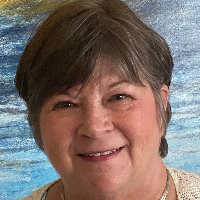
Farah Southwell
LPC
Compassionate emotional work with practical tools
- Stress, Anxiety
- Relationship
- Family
Georgia 30 years in practice

Cornelia Williams
LPC
Compassionate counselor who focuses on emotional connection
- Stress, Anxiety
- Addictions
- Relationship
Georgia 7 years in practice

Dr. Sharon Belhamel
LMFT
Compassionate therapy for life’s hard transitions
- Stress, Anxiety
- Relationship
- Career
Georgia 20 years in practice

Raymond Dean
LPC
Compassionate, practical counseling for strong emotions
- Stress, Anxiety
- Addictions
- Relationship
Georgia 14 years in practice

Georgia 17 years in practice

Dr. Kerene Brown
LICSW, LCSW, CSW
Compassionate care for life transitions
- Stress, Anxiety
- Trauma and abuse
- Self esteem
Georgia 7 years in practice
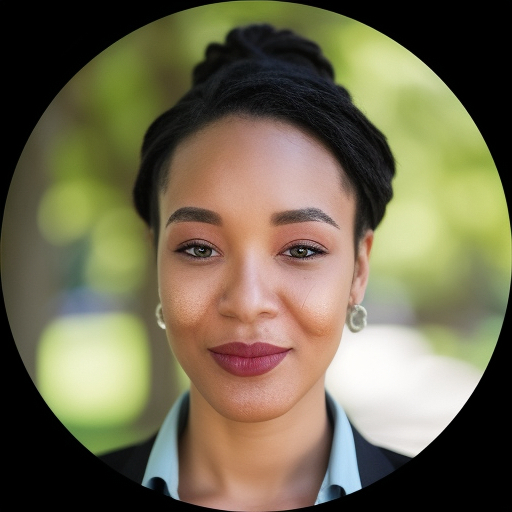
Georgia 14 years in practice

Valorie Jones
LPC
Compassionate therapist focused on emotions and coping
- Stress, Anxiety
- Addictions
- Family
Georgia 11 years in practice

Junetta Watson
LPC
Practical, emotion-focused counseling for daily life
- Stress, Anxiety
- Trauma and abuse
- Self esteem
Georgia 18 years in practice

Dr. Vivia Hill-Silcott
LPC
Compassionate counselor blending emotion and practical skills
- Stress, Anxiety
- Relationship
- Family
Georgia 8 years in practice
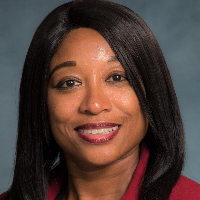
Evalee Smith
LISW, LCSW, CSW
Practical, compassionate support for emotional healing
- Stress, Anxiety
- Parenting
- Anger
Georgia 25 years in practice

LaMeshia Lipscomb
LPC
Calm, emotion-focused counseling for life challenges
- Stress, Anxiety
- Addictions
- Relationship
Georgia 9 years in practice
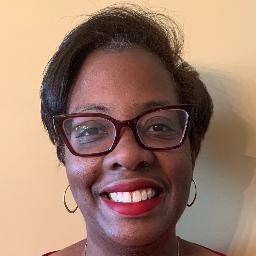
Georgia 8 years in practice

Gwendolyn Scrutchins
LPC
Compassionate counselor who listens and guides
- Stress, Anxiety
- Anger
- Self esteem
Georgia 9 years in practice
Goziam Ogwu
LPC
Compassionate counselor guiding clear emotional change
- Stress, Anxiety
- Relationship
- Family
Georgia 15 years in practice

Willie Whited
LCSW, CSW
Experienced clinical social worker guiding practical change
- Stress, Anxiety
- Addictions
- Trauma and abuse
Georgia 31 years in practice

Na-Amau Tahiru
LCSW, CSW
Compassionate, emotion-focused support for life stressors
- Stress, Anxiety
- Relationship
- Family
New York 3 years in practice

Tonyamonique Hall
LPC
Practical, compassionate counseling with real-world tools
- Stress, Anxiety
- Addictions
- Trauma and abuse
Georgia 5 years in practice
Zoe Wade
LPC
Compassionate, emotion-focused therapy for adults
- Relationship
- Trauma and abuse
- Intimacy-related issues
Georgia 10 years in practice

Breo’na Troutman
LCMHC, LPC
Compassionate, practical therapy for life challenges
- Relationship
- Family
- Anger
North Carolina 10 years in practice

Georgia 45 years in practice

Dr. Tonia Hoskins
LCSW, CSW
Compassionate, practical support for emotional challenges
- Stress, Anxiety
- Trauma and abuse
- Parenting
Georgia 8 years in practice

Ramona Charles
LPC
Compassionate counselor focused on emotional growth
- Stress, Anxiety
- Family
- Self esteem
Georgia 3 years in practice

Georgia 3 years in practice
Georgia 13 years in practice

Georgia 18 years in practice

Karen Jacobs-White
LPC
Compassionate counselor with decades of experience
- Stress, Anxiety
- Addictions
- Anger
Georgia 40 years in practice

Bathsheba Cherry
LPC
Compassionate counselor focusing on emotions and coping
- Stress, Anxiety
- Addictions
- Relationship
Georgia 13 years in practice

Courtney Chandler
LPC
Compassionate counselor focused on emotions and action
- Stress, Anxiety
- Trauma and abuse
- Anger
Georgia 10 years in practice

Georgia 12 years in practice
Tracey Byram
LPC
Compassionate, practical counseling for life's challenges
- Stress, Anxiety
- Trauma and abuse
- Bipolar
Georgia 27 years in practice
Georgia 23 years in practice

Curley Simpson
LMFT
Compassionate, practical therapy for real-life challenges
- Stress, Anxiety
- Addictions
- Relationship
Georgia 12 years in practice

Vanessa Stapleton
LPC
Hopeful therapy grounded in emotion and action
- Stress, Anxiety
- Addictions
- Relationship
Georgia 12 years in practice

Georgia 9 years in practice

Barbara Beam
LPC
Practical, compassionate counseling for everyday life
- Stress, Anxiety
- Relationship
- Self esteem
Georgia 15 years in practice

Georgia 16 years in practice
Derrick Collins
LPC
Compassionate, practical help for life's challenges
- Stress, Anxiety
- Family
- Self esteem
Michigan 29 years in practice

Georgia 7 years in practice

Chalon Dabney
LCSW, CSW
Compassionate, practical support for life changes
- Stress, Anxiety
- Relationship
- Family
Georgia 3 years in practice

Sunya Kapidya
LCSW, CSW
Compassionate LCSW using emotion-focused care
- Stress, Anxiety
- Relationship
- Grief
Georgia 8 years in practice

Brittany McCullar
LPC
Compassionate counselor guiding practical change
- Stress, Anxiety
- Trauma and abuse
- Grief
Georgia 9 years in practice

Missouri 20 years in practice

Cherysh Green-Caldwell
LCSW, CSW
Compassionate social worker focused on practical change
- Addictions
- Self esteem
- Career
Georgia 7 years in practice

Clairice Brown Allen
LPC
Compassionate counselor for life transitions
- Stress, Anxiety
- LGBT
- Relationship
Georgia 20 years in practice

Dr. Toni Monroe
LPC
Emotion-focused care with practical tools
- Stress, Anxiety
- Addictions
- Trauma and abuse
Georgia 30 years in practice

Cindy Baker
LPC
Compassionate emotion-focused counseling for practical change
- Stress, Anxiety
- Self esteem
- Career
Georgia 21 years in practice

Some links on this page are partner links. We will earn a commission if you sign up through one, at no cost to you. It does not change what you pay or the order of the listings.
Overview of online therapy options in Georgia
Online therapy in Georgia has become a commonly used option for people seeking mental health and relationship support. Many licensed professionals in the state offer sessions by video, phone, or messaging, allowing you to work with a clinician from your home, workplace, or another comfortable setting. Because licensing typically requires clinicians to be authorized in the state where a client receives services, most online therapists who serve Georgia clients hold a Georgia license. You will find a range of credentials among those who offer remote services - licensed professional counselors, clinical social workers, marriage and family therapists, and psychologists commonly appear in listings. Each professional’s profile will describe their areas of focus, the approaches they use, and any languages they list so you can find clinicians aligned with your needs.
Regulatory frameworks and best practices for remote care continue to evolve. For routine ongoing therapy, the usual expectation is that the therapist holds the appropriate Georgia license. If you are looking into short-term consultations or cross-state work, there may be different rules and arrangements, so it is useful to ask about licensure and practice policies when you review a profile. The availability of online sessions has expanded the geographic reach of many clinicians while still operating within the legal and ethical frameworks that govern practice in Georgia.
Benefits of online therapy for Georgia residents
Online therapy can remove several practical barriers that sometimes make in-person care difficult to access. If you live in a rural county or commute long distances, remote sessions save travel time and allow you to fit therapy into a busy schedule. You can connect from a quiet room at home, an office during a lunch break, or another setting that works for you. For caregivers or people with mobility limitations, being able to join a session from where you already are can make starting and maintaining treatment more feasible.
Remote therapy also expands the pool of clinicians you can choose from. If you prefer a therapist who speaks a particular language, who has experience with a specific life stage or identity, or who lists certain approaches among their methods, online care lets you look beyond local offices. That does not guarantee a match, but it increases the odds of finding someone whose background and style feel right for you. Technology makes it possible to keep continuity of care when life circumstances change, such as relocation within Georgia, seasonal work, or shifting family needs.
What issues online therapists in Georgia commonly help with
If you are wondering whether online therapy is suitable for your situation, many people use remote services for stress, anxiety, depression, and life transitions. You can also find clinicians who list experience with relationship and family concerns, parenting challenges, grief, career stress, and identity exploration. Therapists who list trauma-focused approaches among their methods may support people working through the effects of past events, though the specific techniques and boundaries of remote trauma work vary from practitioner to practitioner.
Online therapy is often chosen for ongoing skill building, such as learning coping strategies for anxiety or improving communication in relationships. It is also used for time-limited goals like preparing for a major life change or addressing situational crises that are not medical emergencies. If you are experiencing thoughts of harming yourself or others, or if there is an acute risk to safety, emergency services or local crisis resources are appropriate first steps. For non-emergency concerns, online therapy can provide consistent support and practical strategies you can apply between sessions.
How to verify a therapist's license in Georgia
Confirming a therapist’s license is an important step in evaluating a profile. You can start by looking for license details on the clinician’s listing, which typically includes the license type, license number, and the state of licensure. Once you have that information, use the relevant Georgia licensing board’s online lookup tool to verify the license status. Many licenses are listed with the Georgia Composite Board for counselors, social workers, and marriage and family therapists, while psychologists will appear in the Georgia state psychology board records. These public databases usually show whether a license is active, the issue and expiration dates, and any disciplinary history that may be on record.
When you search a board database, enter the practitioner’s full name or license number. If you see an unexpected status or nothing at all, you can contact the board directly by phone or email and request confirmation. Keep in mind that license titles differ - for example, you may see licensed professional counselor, licensed clinical social worker, licensed marriage and family therapist, or psychologist noted on official records. Checking the board’s information helps you ensure the clinician is authorized to practice in Georgia and provides clarity about their credential type and any restrictions that might apply.
What to look for on a license record
On a public license record, you will typically find the license type, issuance and expiration dates, and whether there are any administrative actions. Expiration and renewal history can indicate how long a clinician has been licensed and whether they maintain required continuing education. An administrative action entry, if present, will usually include a brief description and a link to further documentation. If you want more context about what a disciplinary entry means, contacting the licensing board is the most reliable way to get details and an explanation of any current status information you encounter.
How to get started with an online therapist and tips for choosing the right match
Getting started with an online therapist begins with clarifying what you want from therapy and reviewing clinician profiles to see who lists relevant specialties and approaches. Consider what matters most to you - professional background, the approaches a clinician lists, languages spoken, experience with particular populations, or the general tone of their biography. You can prepare a short list of profiles that appeal to you and note questions you want to ask, such as their general approach to goals, session structure, and how they handle practical matters like fees and session length.
When you reach out or schedule an initial conversation, have a few practical checks ready. Ensure you have a personal and quiet place to speak, a reliable internet connection or phone line, and a device with audio and video capabilities if you plan to use video. Think about any accessibility needs you have so you can ask whether they can be accommodated. It is reasonable to ask about costs, insurance or out-of-network reimbursement practices, cancellation policies, and how to contact the clinician between sessions if necessary.
Choosing a therapist you can work with
Finding the right therapeutic match often involves both objective and subjective elements. Objective factors include the clinician’s professional credential, the populations and issues they list, and any languages they offer. Subjective factors include how you feel when you speak with the clinician and whether their style feels respectful and understandable to you. Many people benefit from an initial session or consultation to get a sense of rapport and practical fit. If a clinician lists specific approaches, such as cognitive-behavioral methods or experiential approaches, remember that the listing indicates they use that method rather than confirming any formal certification in it. You can always ask how they integrate those approaches into sessions.
Finally, trust your judgment about what feels right. If a therapist’s explanations of goals, methods, and professional boundaries make sense to you and you feel heard and respected, that is a solid foundation for productive work. If something feels off, it is acceptable to continue looking until you find a clinician whose background and style align with your expectations. The process of searching, asking questions, and clarifying practical details will help you find an online therapist in Georgia who is a suitable match for your goals.