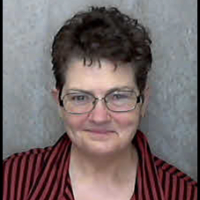
Dr. Ngozi Okose
LPC
Compassionate, practical therapy focused on emotion and change
- Stress, Anxiety
- Relationship
- Trauma and abuse
Texas 22 years in practice
Clinical social work directory
352 therapists in this directory hold a licence issued in Texas and name systemic therapy among their approaches. Sessions are online; a US therapist can usually only see people in a state where they hold a licence, so check the credentials panel on each profile.
Welcome to our directory of online therapists serving Texas. All therapists listed here are licensed in Texas - explore profiles to find practitioners whose approaches, focus areas, credentials, and languages align with what you need.
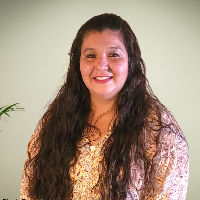
LPC
Compassionate, practical therapy focused on emotion and change
LMFT
Trusted therapist for relationships and trauma
MD, LCSW-C, LCSW
Compassionate clinician with long-term practical experience
LPC
Warm, practical therapy for life’s hard moments
LPC
Therapist focused on emotion and recovery
LCSW
Practical emotional work for adults
LMFT
Emotion-focused care with practical tools
LMFT
Compassionate, relational therapy for emotional change
LCSW
Supportive LCSW guiding practical emotional change
LPC
Compassionate therapist focused on emotional healing
LCSW
Practical support for strong emotional healing
LCSW
Trauma-informed support with practical strategies
LPC
Compassionate counselor for practical change
LPC
Calm, experienced counselor for adult concerns
LPC
Compassionate counselor focused on emotion and connection
LCSW
Hopeful, practical therapy for emotional struggle
LPC
Compassionate, emotion-focused counseling for stressful times
LPC
Compassionate therapist focused on emotion and change
LPC
Compassionate, practical counseling for everyday challenges
LMFT
Compassionate therapist focused on emotions and relationships
LPC
Compassionate, emotion-focused therapy for practical change
LMFT
Restoring connection and practical coping skills
LPC
Healing through emotions and connection
LPC
Practical, direct counseling for life's hardest moments
LPC
Compassionate counselor focused on emotional healing
LPC
Compassionate counselor focused on relationships and recovery
LPC
Compassionate counselor focused on feelings and action
LPC
Compassionate, practical support for emotional healing
LPC
Practical, compassionate counseling for everyday life
LPC
Compassionate practical therapy for real-life struggles
LPC
Emotionally attuned, practical therapy for everyday struggles
LCSW
Compassionate, practical therapy for life's challenges
LPC
Compassionate, practical therapy focused on emotion and change
LPC
Practical emotional support and coping skills
LPC
Practical, collaborative therapy for emotional challenges
LPC
Compassionate counselor for stress and relationships
LPC
Compassionate, practical therapy for emotional challenges
LPC
Practical, relationship-focused counseling with experience
LPC
Strength-focused counseling with practical tools
LMFT
Calm, practical therapy for real life
LCSW
Compassionate, practical support for strong emotions
Some links on this page are partner links. We will earn a commission if you sign up through one, at no cost to you. It does not change what you pay or the order of the listings.
If you are exploring online therapy options in Texas you are joining many people who have added virtual care to their mental health plan. Over the last decade, the ways therapists work with clients have expanded so that a significant number of clinicians now include video, phone, or messaging as part of their practice. For Texas residents this means you can often access support without commuting long distances, and you can search for a therapist who lists the specific approaches or population focus that fit your needs. Keep in mind that licensing matters: therapists who serve clients in Texas should hold the appropriate Texas license for their profession. That license determines the scope of practice, the professional title they may use, and the regulatory body responsible for oversight. When you use a directory, you will typically see profile details that help you narrow your options by approach, areas of focus, professional credentials, and languages spoken.
Online therapy can reduce barriers that sometimes make in-person care challenging. If you live in a rural county or an area with fewer local clinicians, virtual sessions can open up a wider pool of therapists who list approaches or specialties that matter to you. For parents and caregivers, online sessions can simplify scheduling around work and family responsibilities. You may also find it easier to maintain continuity of care when you relocate within the state or face transportation interruptions. Beyond logistics, many people appreciate the convenience of joining sessions from a familiar environment and the flexibility to choose clinicians who share their language, cultural background, or clinical interests. At the same time, online therapy requires attention to practical details such as technology, internet reliability, and choosing a quiet space for sessions. Those trade-offs are worth considering as you decide whether virtual care suits your circumstances and preferences.
Online therapists in Texas work with a broad range of concerns. You can find clinicians who list experience with mood concerns such as depression and anxiety, relationship and couples issues, grief and loss, trauma-related symptoms, life transitions, parenting and family challenges, and workplace stress. Many therapists also indicate they work with identity-related matters including LGBTQ+ concerns, cultural identity, and immigration-related stress. Some clinicians list targeted approaches for trauma processing, emotion-focused work, or cognitive-behavioral strategies, while others emphasize relational or developmental perspectives. If you have a specific presenting concern, look for profiles that mention that focus or an approach that aligns with your goals. It is common to see therapists who list modalities like EMDR among their approaches or who mention emotion-focused therapy or cognitive-behavioral strategies. Remember that a profile indicates the approaches a therapist uses in their practice, and a conversation with a clinician can clarify how those approaches might apply to your situation.
Verifying a license is an important step when you consider working with a therapist in Texas. You can use the Texas licensing board's online license verification tools to confirm that a clinician holds the appropriate license for their profession and that the license status is active. When you search, you can typically look by the therapist's full name or license number and review details such as the license type, expiration date, and any disciplinary actions that may be recorded. Different professions have different license titles - for example licensed professional counselors, licensed clinical social workers, psychologists, and marriage and family therapists each fall under their respective licensing processes. If you are unsure about the license listed on a profile, you can ask the clinician directly which Texas license they hold and how long they have been practicing. It can also be helpful to check whether the license permits telehealth practice in Texas and to review any public records about continuing education or formal disciplinary history. These steps give you factual information to weigh alongside the therapist's stated approaches and focus areas.
Beginning online therapy usually starts with research and a short outreach step. You can browse profiles to identify clinicians who list approaches and focus areas that resonate with you and who note credentials or languages that matter for your comfort and communication. Once you identify a few potential matches, reach out to each clinician or their listed contact channel to ask practical questions about session format, technology platform, fees, insurance, and the typical structure of sessions. Before your first appointment it helps to think about your goals for therapy, whether you have specific topics you want to work on, and what a successful outcome would look like for you. On the technical side, test your internet connection and choose a quiet, comfortable environment where you can speak freely. Some people write a brief list of topics or questions to bring to the first session so the clinician can understand your priorities right away.
Choosing a therapist is a personal decision that blends objective checks with how you feel about the match. Start by looking for clinicians who list approaches and areas of focus that fit your needs, and verify their Texas license status using the board lookup tool. Consider credentials and years of experience as one factor among many, and note whether a therapist lists languages you prefer or experience with populations similar to yours. When you contact a potential therapist, ask about their general approach to care and how they tend to structure work with clients who present with concerns like yours. Pay attention to how they communicate with you: clear answers, a respectful tone, and a willingness to explain their methods can be helpful early signs of a good working fit. Trust and rapport matter, so allow yourself a couple of sessions to determine whether the clinician's style aligns with the way you like to work. If you need accommodations for scheduling, language, or access, bring those up early so you can assess whether the clinician's practice aligns with your practical needs. Choosing a therapist is both a practical and relational process, and taking thoughtful steps up front can increase the chances of a useful therapy experience.
Online therapy in Texas can be a flexible and effective way to access professional support. By understanding how virtual care fits into your life, verifying licensure, and using profile details to guide your search, you can find clinicians who match your priorities. Take the time to prepare for your first session, ask direct questions about approach and logistics, and trust your sense of fit as you move forward. If you have questions about interpreting a profile or verifying licensure, reach out through the directory for guidance on the information shown in listings.