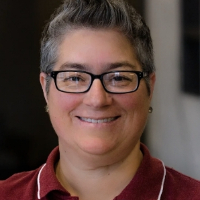
Jaeron-Rae Dukes
LPC
Accessible counselor focused on emotions and relationships
- LGBT
- Relationship
- Trauma and abuse
South Dakota 3 years in practice
Clinical social work directory
3 therapists in this directory hold a licence issued in South Dakota and name systemic therapy among their approaches. Sessions are online; a US therapist can usually only see people in a state where they hold a licence, so check the credentials panel on each profile.
Welcome to our South Dakota directory of licensed online therapists. All therapists listed here hold a professional license to practice in South Dakota. Explore the profiles below to learn about their approaches, focus areas, credentials and languages offered.
LPC
Accessible counselor focused on emotions and relationships
LCSW, CSW-PIP
Compassionate clinician focused on practical change
LCPC, LPC, LPC-MH
Compassionate, practical therapy for daily life
Some links on this page are partner links. We will earn a commission if you sign up through one, at no cost to you. It does not change what you pay or the order of the listings.
If you live in South Dakota, online therapy has become an established way to connect with licensed mental health professionals across the state. Many clinicians list online sessions among the services they provide, which helps bridge distances between towns and cities and brings more options to people who live in rural areas. The technology used for video and phone appointments varies by clinician, and profiles typically indicate the methods a therapist uses and the populations they work with.
Because regulation for practicing across state lines is tied to licensure where the client is located, therapists who offer services to you should hold a license valid for South Dakota practice. Profiles on this site emphasize licensure, approach descriptions and practitioner credentials so you can get a clearer picture before reaching out. Online therapy in South Dakota ranges from short-term focused work to longer-term counseling and can be used alongside other supports in your community.
Online therapy offers practical advantages if you live in a region where in-person options are limited by distance or scheduling constraints. You can access care without traveling long distances, which reduces time away from work, family or farm responsibilities. For many people, the convenience of meeting from home makes it easier to keep appointments and maintain continuity of care.
Beyond convenience, online sessions can expand the range of therapeutic approaches available to you. Therapists who list EFT among their approaches or who describe experience with cognitive or trauma-informed methods may be accessible even if those specific options are not common locally. You may also find clinicians who speak your preferred language or who note experience with particular communities. For safety and planning, it is important to understand how online care will work for crises or emergencies - therapists typically explain how to access local emergency resources and what to do if you need immediate help.
Online therapists in South Dakota work with a wide variety of concerns that range from everyday stress to more complex life challenges. Many people seek support for anxiety, depression, grief, relationship difficulties and adjustment to major life transitions. Others reach out for help with parenting stress, workplace challenges, coping after loss or navigating significant changes in health or family roles.
Therapists also describe work with trauma-related symptoms and difficult memories. When discussing specific modalities, you will see language such as therapists who list EMDR among their approaches or clinicians who list cognitive-behavioral methods. Those phrases indicate that a therapist includes those approaches in their practice, not that a particular credential or outcome is guaranteed. Your individual needs, the rapport you build and the therapist's stated focus areas will shape how issues are addressed in online sessions.
Verifying a license helps you confirm that a clinician is authorized to practice in South Dakota. Start by looking for the license number and license type on the therapist's profile or website. If those details are not listed, you can ask the clinician to provide them. Once you have a license number, use the state licensing board's online license lookup tool to confirm the status, expiration date and any public disciplinary history.
When checking licensure, note the category under which the therapist is licensed - for example licensed professional counselor, licensed clinical social worker or psychologist - and make sure that aligns with the services they offer. If you have questions about what a license means or need help interpreting a record, you can contact the state board directly by phone or email. Keeping a record of the license number and the verification results can be helpful if you need to reference them later.
Getting started begins with clarifying what you want help with and what matters most in a therapeutic relationship. Read practitioner profiles to learn about the issues they emphasize, the approaches they list and any languages they offer. Pay attention to descriptions of session structure, whether they mention work with specific age groups or relationship types and how they communicate about fees and insurance. If a therapist lists EFT or other approaches among their methods, consider asking how those approaches might be used in your work together.
Prepare a few questions to ask during an initial conversation. Useful questions include how they structure sessions, what a typical treatment focus might look like, how they handle cancellations and what forms of payment they accept. You may also want to ask about technology requirements and how they handle records and documentation. Rapport matters more than perfect alignment on every detail - if you feel heard and understood in an initial call, that is often a good sign.
Consider practical and personal factors as you choose. Practical matters include session length, fee structure and whether the therapist bills your insurance or provides a receipt for out-of-network reimbursement. Personal factors include the therapist's communication style, cultural awareness and whether they list experience working with identities or life experiences that match yours. If language match or cultural background is important to you, look for profiles that mention those aspects explicitly.
Finally, treat an initial session as a chance to assess fit. It is appropriate to discuss goals, ask for clarification about approaches and bring up any concerns you have. You can also ask a clinician how they measure progress and how you will know if the work is moving in the direction you want. Taking these steps will help you start with clearer expectations and create a collaborative path forward in online therapy.
Online therapy in South Dakota can broaden your options and connect you with licensed professionals who list a range of approaches and focus areas. By verifying licensure, preparing thoughtful questions and prioritizing rapport and practical fit, you can make an informed decision about which clinician is right for you. Use the directory listings here to review profiles, learn more about each clinician's stated approaches and reach out to begin a conversation about the support you are seeking.