Michigan 35 years in practice
Clinical social work directory
Therapists who work with Fatherhood Issues
1,383 therapists list fatherhood issues among the things they work with. All offer sessions online, and every profile shows the registering body, the membership number and when it runs to.
Find therapists who focus on fatherhood issues, including new-dad adjustment, co-parenting, identity shifts and loss. Browse the listings below to review therapists' focus areas, approaches, credentials, languages and experience.

Colorado 20 years in practice

Margaret Couch
LCSW
Compassionate therapist focused on practical change
- Stress, Anxiety
- Parenting
- Bipolar
Illinois 41 years in practice

Barry Wasser
LCSW
Compassionate, goal-focused support for adults
- Stress, Anxiety
- Relationship
- Trauma and abuse
New Jersey 8 years in practice

Florida 7 years in practice

Victoria Small
BACP
Emotion-focused, practical therapy for life challenges
- Stress, Anxiety
- Family
- Trauma and abuse
10 years in practice

Rosalind Oliver
BACP
Experienced relational counsellor for adults
- Stress, Anxiety
- LGBT
- Trauma and abuse
3 years in practice

Tiffany Dunnells
LPC
Warm, practical therapy for life’s hard moments
- Stress, Anxiety
- Trauma and abuse
- Anger
Texas 10 years in practice

Prof. Ryan Davis
LPC
Practical, emotion-focused counseling for real life
- Stress, Anxiety
- Addictions
- Relationship
Michigan 14 years in practice

New York 26 years in practice

Heather Friend
LCSW, CSW
Warm, practical therapy for emotional clarity
- Stress, Anxiety
- Relationship
- Trauma and abuse
Colorado 8 years in practice

Sukvinder Grewal
NCPS
Compassionate help for emotional and relationship challenges
- Stress, Anxiety
- Relationship
- Family
8 years in practice

Texas 9 years in practice

Susanna "Susan" Abraham
BACP
Compassionate counsellor helping people find purpose
- Stress, Anxiety
- Addictions
- Grief
15 years in practice
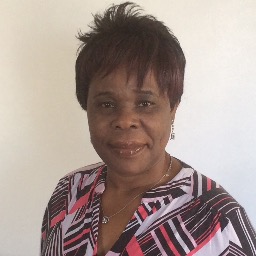
Steven Carlson
LCSW
Compassionate, steady support for emotional healing
- Stress, Anxiety
- Relationship
- Family
Florida 40 years in practice

Bilkan Kilicer
BACP
Compassionate counsellor for emotional healing
- Stress, Anxiety
- Relationship
- Trauma and abuse
6 years in practice

Christopher Sarfo
BACP
Warm, direct counselling using Emotionally-Focused Therapy
- Stress, Anxiety
- Family
- Trauma and abuse
7 years in practice

Jacob Heffernan
LMFT
Experienced therapist focused on relationships and emotion
- Stress, Anxiety
- Relationship
- Family
Hawaii 25 years in practice

Sidonia Stiles
BACP
Experienced person-centred counsellor for emotional and relationship issues
- Stress, Anxiety
- Relationship
- Grief
27 years in practice

Andrew Merz
BACP
Calm, emotion-focused counselling for life challenges
- Stress, Anxiety
- Grief
- Self esteem
5 years in practice

Savithri (Savi) Jayaweera
NCPS
Compassionate integrative counsellor with wide cultural experience
- Stress, Anxiety
- Relationship
- Trauma and abuse
16 years in practice

Cornelia Williams
LPC
Compassionate counselor who focuses on emotional connection
- Stress, Anxiety
- Addictions
- Relationship
Georgia 7 years in practice

Donna Lemaitre
BACP
Experienced counsellor offering online emotional support
- Stress, Anxiety
- Relationship
- Trauma and abuse
8 years in practice

Chibuike Ikechukwu
BACP
Calm support for stress and relationships
- Stress, Anxiety
- Relationship
- Self esteem
11 years in practice

Joel Brooks
LCSW
Compassionate, experienced therapist for life transitions
- Stress, Anxiety
- Addictions
- Relationship
Florida 42 years in practice

Michael Robinson
LCSW
Attachment-focused therapist for relationship and stress concerns
- Stress, Anxiety
- Addictions
- LGBT
Louisiana 8 years in practice

15 years in practice

Mary Griffith
LPC
Compassionate counselor for life transitions and emotion work
- Stress, Anxiety
- Relationship
- Family
Mississippi 15 years in practice

Kelley Sullivan
LCSW
Compassionate therapy for emotional and relational challenges
- Stress, Anxiety
- Relationship
- Trauma and abuse
Texas 19 years in practice

Elizabeth Carter
LMHC
Compassionate, practical support for emotional change
- Stress, Anxiety
- Trauma and abuse
- Parenting
Florida 32 years in practice

Dr. Douglass Lobo
LMHC
Practical, emotion-focused therapy for adults
- Stress, Anxiety
- Family
- Trauma and abuse
Florida 30 years in practice

Jacqueline Dougherty
LMHC
Compassionate therapist focused on emotional healing
- Stress, Anxiety
- Trauma and abuse
- Grief
Florida 6 years in practice

Cornelius "Corey" Human
PACFA
Calm, practical therapy for emotional and relationship issues
- Stress, Anxiety
- Relationship
- Parenting
18 years in practice

Prossy Nabweteme
BACP
Collaborative counselling for relationships and life changes
- Relationship
- Family
- Grief
12 years in practice

Ganiyat Olaleye
BACP, NCPS
Calm, practical counselling for real-life struggles
- Stress, Anxiety
- Relationship
- Grief
6 years in practice

Shannon Mott
LCSW
Compassionate, practical therapy for life challenges
- Stress, Anxiety
- Relationship
- Family
Louisiana 9 years in practice

Oklahoma 25 years in practice

Magdelena "Maggie" Rasheva-Malul
BACP
Compassionate counsellor for emotional clarity
- Stress, Anxiety
- Relationship
- Trauma and abuse
5 years in practice

Oklahoma 9 years in practice

George Vega
LMHC
Compassionate counselor helping people move forward
- Stress, Anxiety
- Addictions
- Relationship
Florida 11 years in practice

Dr. Sharon Belhamel
LMFT
Compassionate therapy for life’s hard transitions
- Stress, Anxiety
- Relationship
- Career
Georgia 20 years in practice

5 years in practice

Mississippi 36 years in practice

Tamika Thomas
LPCC
Compassionate counselor focused on emotional change
- Stress, Anxiety
- Relationship
- Self esteem
Ohio 8 years in practice

Felicia Cameron
BACP
Calm, practical support for emotional change
- Stress, Anxiety
- Addictions
- Relationship
12 years in practice

Carolyn Thai
ACA
Compassionate counsellor for relationships and trauma
- Relationship
- Family
- Trauma and abuse
8 years in practice

Aliyah Hussain
BACP
Empathic, practical therapy for life and relationship stress
- Relationship
- Family
- Career
7 years in practice

Sunah Akhtar
BACP
Compassionate, practical therapy for everyday struggles
- Stress, Anxiety
- Relationship
- Family
9 years in practice

Some links on this page are partner links. We will earn a commission if you sign up through one, at no cost to you. It does not change what you pay or the order of the listings.
Understanding Fatherhood Issues and How They Affect You
Fatherhood issues cover a range of emotional, relational and practical challenges that arise before, during and after becoming a father. You might be navigating the transition into parenthood for the first time, adjusting to a blended family, coping with separation or divorce, managing grief after a loss, or wrestling with long-standing questions about your role and identity. These experiences often interact with work demands, cultural expectations, past family patterns and your own mental health history, creating patterns of stress, confusion or resentment that can affect how you relate to your partner and children.
It is common for fathers to feel pressure to fulfill certain expectations while also wanting to be present and emotionally available. When those goals feel at odds, you may notice changes in mood, decreased energy, difficulty communicating, or a sense of isolation. Many people find that addressing fatherhood issues in therapy helps them understand how past experiences and present stressors shape their parenting, and gives them practical ways to make different choices in relationships and daily routines.
Signs You Might Benefit from Therapy for Fatherhood Issues
You may be considering therapy if you notice ongoing tension at home that does not resolve after conversation, or if you feel stuck in patterns you do not like. Examples include repeated arguments about parenting decisions, feeling emotionally distant from your children, or struggling with anger that surprises you. You might also be wrestling with anxiety about becoming a parent - fears about competence, financial pressure, or concerns about repeating harmful patterns from your own upbringing.
Other signs you might benefit from therapy include persistent low mood, difficulty sleeping, avoidance of family activities, or increased reliance on substances to manage stress. If you feel overwhelmed by grief after a loss related to fatherhood - whether that is the death of a child, loss of a relationship, or the end of a desired path to parenthood - therapy can offer a space to process those feelings. Therapy can also help when legal or co-parenting challenges create complicated dynamics that affect your ability to parent in ways you want.
What to Expect in Therapy Focused on Fatherhood Issues
When you begin therapy for fatherhood issues, the early sessions typically focus on understanding your current concerns and the context in which they occur. A therapist will ask about your family history, recent stressors, relationships, and your goals for therapy. You and your therapist will work together to clarify what you want to change - whether that is managing anxiety, improving communication with a co-parent, grieving a loss, or building new routines with your child.
Therapy sessions often combine emotional exploration with practical skills. You can expect to reflect on how past experiences shape your reactions while also learning strategies for communication, stress management, and parenting behaviors. Sessions may involve role-playing difficult conversations, developing plans for co-parenting meetings, or practicing ways to be emotionally available to your children during stressful times. Progress can look different for everyone - sometimes relief comes from new insights, and sometimes from small behavioral changes that gradually reshape family life.
Common Therapeutic Approaches for Fatherhood Issues
Therapists use a range of approaches when supporting fathers, and many list multiple modalities among their approaches. Cognitive-behavioral approaches, for example, focus on identifying unhelpful thoughts and patterns that fuel anxiety or anger, while teaching skills to change behaviors. If you are dealing with trauma-related reactions, you may find therapists who list trauma-informed methods among their approaches helpful in creating a careful pace for work that addresses painful memories or experiences.
Relational and family systems approaches look at the broader patterns within your relationships and how roles and expectations get passed down across generations. These approaches aim to shift interaction patterns so that you can respond differently to stressors and build healthier dynamics. Some therapists list emotion-focused work among their approaches, emphasizing how to recognize and express feelings in ways that improve connection with your partner and children. Other practitioners may list strengths-based or acceptance-oriented approaches that help you build resilience and compassion for yourself as you navigate change.
When reading therapist profiles, note the language they use to describe their focus and approaches. You can look for descriptions that match your goals - whether that is practical parenting strategies, grief processing, co-parenting mediation support, or help with identity and role transition. Remember that a listed approach indicates the therapist cites that method among their approaches rather than representing a specific credential or certification.
How Online Therapy Works for Fatherhood Issues
Online therapy offers flexibility that can be particularly useful when you have unpredictable work hours, young children, or travel commitments. Sessions typically take place over video or phone, and they can be scheduled for times that fit your routine - for example before work, during a lunch break, or after a child is asleep. The virtual format allows you to meet with therapists who list languages, cultural backgrounds or specialties that match your needs even if those therapists are not local to you.
In an online session focused on fatherhood issues, you will use the same therapeutic conversation and activities that occur in person, adapted for the screen or phone. Therapists often work with you to set goals, practice communication or calming techniques during the session, and assign small tasks to try between sessions. If out-of-session practice feels challenging because of your parenting responsibilities, you and your therapist can design brief, realistic tasks that fit into your daily life. Many people find that working from home makes it easier to try new skills directly in the context where they are needed, such as practicing a transition routine with your child after a session.
Choosing the Right Therapist for Fatherhood Issues
Selecting a therapist is a personal process that benefits from clear priorities. Start by identifying what matters most to you - whether that is an emphasis on co-parenting communication, grief and loss support, help with anger management, or guidance through the transition to fatherhood. Look for therapists who mention those focus areas and who list approaches that align with how you prefer to work. If cultural background, language, or experience with specific family structures are important, prioritize those details when you review profiles.
When comparing profiles, read descriptions of how therapists describe their work rather than assuming a particular outcome. Consider practical factors such as session length, format - video or phone - and whether the therapist notes experience working with clients in similar situations. A brief introductory message or initial consult - when offered - can help you sense whether a therapist's style fits your needs. Trust your instincts about whether you feel understood and respected, and be open to adjusting your choice if the first match does not feel right. Therapy is a collaborative process, and finding someone whose approach and communication you connect with increases the chances that you will be able to do the work you want to do.
Final Thoughts
Fatherhood brings many joys as well as challenges, and seeking support is a practical step you can take when you want to change patterns, manage stress, or find a new balance in family life. Therapists who focus on fatherhood issues can offer perspectives and tools tailored to the realities of modern parenting. Use the listings on this page to learn about different approaches, languages and experience so you can choose a therapist who matches your goals and preferences. Taking the first step can help you build clearer communication, greater emotional availability, and a more sustainable approach to parenting and partnership.
Keep exploring
Related concerns
Ways of working