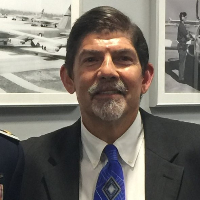
Dr. Douglass Lobo, LMHC
Florida · 30 years in practice
Dr. Douglass Lobo focuses on helping people who are stressed, anxious, depressed, or facing big life changes.
License and registration
- LMHC, Florida
- MH4113 · expires March 2027
- NPI
- 1861990723 · national provider identifier
- Years in practice
- 30
- Languages
- English
Details are as listed on the therapist's public professional profile. You can check the license with the issuing state board, and the NPI with the national registry.
About Douglass
Dr. Douglass Lobo focuses on helping people who are stressed, anxious, depressed, or facing big life changes. He is Dr.
Douglass Lobo, a Florida-licensed mental health counselor with 30 years of experience. He speaks English and works with adults by phone, video, chat, or text. He uses practical, talk-based methods to help people manage symptoms and make decisions.
Sessions tend to be straightforward. He listens, asks clear questions, and helps people try small changes between meetings.
Background and approach
His approach draws on Emotionally-Focused Therapy to look at feelings and attachment needs. He also uses Client-Centered Therapy to keep the work focused on each person's priorities. Cognitive Behavioral Therapy and mindfulness help with stress, sleep, anger, and mood changes.
Dr. Lobo has a long history in clinical and school consulting roles across different systems. That background informs how he sees problems and makes plans that fit daily life.
He aims for concrete steps rather than abstract theories. Typical concerns he addresses include anxiety, depression, trauma and abuse, parenting strain, relationship and intimacy issues, ADHD, addictions, and career or purpose questions. He also works with topics such as abandonment, adoption and foster care, autism-spectrum matters, and issues around kink and alternative sexual cultures.
Getting started is simple: use the Start Therapy button, fill a short matching questionnaire, and schedule a time that works. Fees vary by location and are billed through a subscription that can be canceled at any time.
Focus areas and approaches
Everything Douglass lists on their public professional profile, in their own terms.
- Stress, Anxiety
- Family conflicts
- Trauma and abuse
- Parenting issues
- ADHD
- Addictions
- LGBT
- Relationship issues
- Intimacy-related issues
- Sleeping disorders
- Anger management
- Self esteem
- Career difficulties
- Bipolar disorder
- Depression
- Coping with life changes
- Coaching
- Compassion fatigue
- Abandonment
- Adoption and foster care
- Autism and Asperger Syndrome
- Avoidant personality
- BDSM, kink, and alternative sex culture
- Blended family issues
- Codependency
- Communication problems
- Dependent personality
- Family problems
- Fatherhood issues
- Isolation / loneliness
- Life purpose
- Midlife crisis
- Veteran and Armed Forces Issues
- Money and financial issues
- Multicultural concerns
- Panic disorder and panic attacks
- Post-traumatic stress
- Self-love
- Social anxiety and phobia
- Workplace issues
- Young adult issues
Approaches Douglass names
- Emotionally-Focused Therapy (EFT)
- Client-Centered Therapy
- Cognitive Behavioral Therapy (CBT)
- Mindfulness Therapy
- Motivational Interviewing
- Solution-Focused Therapy
Naming an approach is not evidence of training in it. This directory copies what each therapist lists and does not check training records.
Online support
How emotion-focused and practical methods work online
Emotionally-Focused Therapy (EFT) helps people identify and name strong feelings and see how those feelings shape relationships and choices. It can be useful for issues tied to attachment, intimacy, and repeated emotional patterns. Client-Centered Therapy centers the session on the person's own goals and experience. The therapist offers empathic listening and reflection so the client leads what matters most in therapy. Cognitive Behavioral Therapy (CBT) focuses on the links between thoughts, feelings, and behavior. It provides tools to change unhelpful thinking and to test small behavioral changes that reduce anxiety and improve mood. Finding the best approach is a collaborative process. The therapist will discuss what matters to the client and try methods that match goals and preferences, adjusting the plan as progress is made. That way the work stays practical and relevant. Online sessions can be scheduled as video calls, phone sessions, live chat, or text-based messaging. Video is useful when visual cues help the work. Phone sessions need less bandwidth and can fit a short break. Chat or text can be helpful for quick check-ins, written reflection, or when regular check-ins are easier to keep. These options make it simpler to fit therapy into a busy life and to keep continuity between sessions.We will earn a commission if you sign up through our link, at no cost to you. It does not change what you pay or the order of the listings.
Questions people ask
What concerns does this therapist address?
He helps with stress, anxiety, depression, trauma and abuse, parenting strain, relationship and intimacy issues, ADHD, addictions, and coping with life changes, among other topics.
What is the therapy style like in sessions?
Sessions are conversational and goal-oriented. Expect listening, guided reflection, and practical suggestions to try between meetings.
How much clinical experience does he bring?
He has 30 years of experience working in clinical and school consulting roles, which shapes his practical approach to common life and mental health challenges.
What credentials and location are listed?
He is a licensed mental health counselor (LMHC) in Florida and practices there while offering remote sessions.
Which languages and international options are supported?
Sessions are offered in English, and he accepts international clients for remote work.
Which session formats are available?
Therapy is available by video calls, phone sessions, live chat, or text-based messaging depending on the client's needs.
How are fees and payment handled?
Cost varies by location and therapist availability; sessions are billed through a subscription model that can be canceled at any time.
How do I begin working with this therapist?
Click the Start Therapy button, complete a short matching questionnaire, and schedule sessions according to the therapist's posted availability.
More therapists in Florida
See all
Dedra McIntosh
LCSW
Emotion-focused care for everyday struggles
- Stress, Anxiety
- Relationship
- Trauma and abuse

Steven Carlson
LCSW
Compassionate, steady support for emotional healing
- Stress, Anxiety
- Relationship
- Family

Tomeccia Maxwell
LMHC
Calm, practical support for everyday challenges
- Stress, Anxiety
- Relationship
- Family
Is this your profile?
Ask us to correct details or take the page down.
Contact us