Michigan 35 years in practice
Clinical social work directory
Therapists who work with Foster Care
1,196 therapists list foster care among the things they work with. All offer sessions online, and every profile shows the registering body, the membership number and when it runs to.
On this page you will find therapists who list foster care as a specialty, along with details about their approaches, credentials, languages, and focus areas. Browse the listings below to explore professionals who work with children, teens, adults, and families affected by foster care.

Margaret Couch
LCSW
Compassionate therapist focused on practical change
- Stress, Anxiety
- Parenting
- Bipolar
Illinois 41 years in practice

Dr. James Hunter Jr
LCMHC
Calm, practical guidance for life's hard moments
- Stress, Anxiety
- Depression
- Relationship
North Carolina 19 years in practice

Dr. Ngozi Okose
LPC
Compassionate, practical therapy focused on emotion and change
- Stress, Anxiety
- Relationship
- Trauma and abuse
Texas 22 years in practice

Florida 7 years in practice

Julie Elliott
MD, LCSW-C, LCSW
Compassionate clinician with long-term practical experience
- Stress, Anxiety
- Relationship
- Family
Texas 35 years in practice
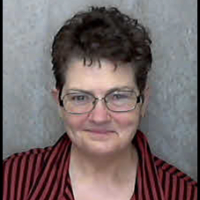
Tiffany Dunnells
LPC
Warm, practical therapy for life’s hard moments
- Stress, Anxiety
- Trauma and abuse
- Anger
Texas 10 years in practice

New York 26 years in practice

Dedra McIntosh
LCSW
Emotion-focused care for everyday struggles
- Stress, Anxiety
- Relationship
- Trauma and abuse
Florida 3 years in practice

Heather Friend
LCSW, CSW
Warm, practical therapy for emotional clarity
- Stress, Anxiety
- Relationship
- Trauma and abuse
Colorado 8 years in practice

Sukvinder Grewal
NCPS
Compassionate help for emotional and relationship challenges
- Stress, Anxiety
- Relationship
- Family
8 years in practice

Illinois 25 years in practice

Texas 9 years in practice

Lorelle Busby
BACP
Calm, practical support for emotional struggles
- Stress, Anxiety
- Trauma and abuse
- Self esteem
5 years in practice

Sidonia Stiles
BACP
Experienced person-centred counsellor for emotional and relationship issues
- Stress, Anxiety
- Relationship
- Grief
27 years in practice

Andrew Merz
BACP
Calm, emotion-focused counselling for life challenges
- Stress, Anxiety
- Grief
- Self esteem
5 years in practice

Savithri (Savi) Jayaweera
NCPS
Compassionate integrative counsellor with wide cultural experience
- Stress, Anxiety
- Relationship
- Trauma and abuse
16 years in practice

Cora Benedict
LMFT
Calm guidance to understand and change emotions
- Stress, Anxiety
- Trauma and abuse
- Grief
Alaska 15 years in practice

Marianne Costales-Roman
LCSW
Trusted LCSW for emotional and relationship challenges
- Stress, Anxiety
- LGBT
- Parenting
Illinois 27 years in practice

Cornelia Williams
LPC
Compassionate counselor who focuses on emotional connection
- Stress, Anxiety
- Addictions
- Relationship
Georgia 7 years in practice

Joel Brooks
LCSW
Compassionate, experienced therapist for life transitions
- Stress, Anxiety
- Addictions
- Relationship
Florida 42 years in practice

Mary Griffith
LPC
Compassionate counselor for life transitions and emotion work
- Stress, Anxiety
- Relationship
- Family
Mississippi 15 years in practice

Kelley Sullivan
LCSW
Compassionate therapy for emotional and relational challenges
- Stress, Anxiety
- Relationship
- Trauma and abuse
Texas 19 years in practice

Elizabeth Carter
LMHC
Compassionate, practical support for emotional change
- Stress, Anxiety
- Trauma and abuse
- Parenting
Florida 32 years in practice

Dr. Douglass Lobo
LMHC
Practical, emotion-focused therapy for adults
- Stress, Anxiety
- Family
- Trauma and abuse
Florida 30 years in practice

Jacqueline Dougherty
LMHC
Compassionate therapist focused on emotional healing
- Stress, Anxiety
- Trauma and abuse
- Grief
Florida 6 years in practice

Cornelius "Corey" Human
PACFA
Calm, practical therapy for emotional and relationship issues
- Stress, Anxiety
- Relationship
- Parenting
18 years in practice

Shannon Mott
LCSW
Compassionate, practical therapy for life challenges
- Stress, Anxiety
- Relationship
- Family
Louisiana 9 years in practice

Oklahoma 25 years in practice

Magdelena "Maggie" Rasheva-Malul
BACP
Compassionate counsellor for emotional clarity
- Stress, Anxiety
- Relationship
- Trauma and abuse
5 years in practice

Oklahoma 9 years in practice

Dr. Sharon Belhamel
LMFT
Compassionate therapy for life’s hard transitions
- Stress, Anxiety
- Relationship
- Career
Georgia 20 years in practice

William Signey
BACP
Calm, emotion-focused counselling for everyday struggles
- Stress, Anxiety
- Trauma and abuse
- Grief
6 years in practice

Texas 12 years in practice

Mississippi 36 years in practice

Lindsey Thorp
LCSW
Compassionate, emotion-focused support for life changes
- Stress, Anxiety
- Trauma and abuse
- Self esteem
Florida 6 years in practice

Felicia Cameron
BACP
Calm, practical support for emotional change
- Stress, Anxiety
- Addictions
- Relationship
12 years in practice

Rachael Figueroa
LCSW
Compassionate, emotion-focused therapy for real life
- Stress, Anxiety
- Grief
- Anger
New York 25 years in practice

Sunah Akhtar
BACP
Compassionate, practical therapy for everyday struggles
- Stress, Anxiety
- Relationship
- Family
9 years in practice

Paul Moffett
LPC
Experienced counselor focused on emotions and change
- Stress, Anxiety
- Addictions
- Relationship
Alabama 35 years in practice

4 years in practice

Ruth Vanden Bosch
LPC
Compassionate counselor blending emotional and practical work
- Stress, Anxiety
- LGBT
- Relationship
Michigan 25 years in practice

(Maria) Asuncion Fernandez Hemoso
BACP
Warm, practical counselling focused on feelings and change
- Stress, Anxiety
- Addictions
- Trauma and abuse
14 years in practice

Lucia Stanfield
LMHC
Compassionate counselor for complex emotions
- Addictions
- Relationship
- Trauma and abuse
Florida 20 years in practice

James Joseph Beaulieu
LPC
A steady, practical counselor for emotional change
- Addictions
- Relationship
- Family
Pennsylvania 28 years in practice

Holly Bankston
LPC
Compassionate counselor for practical change
- Stress, Anxiety
- Relationship
- Self esteem
Texas 17 years in practice

Dr. Wanetta "Nita" Hughes Bise
LPC
Steady, practical counseling in Colorado
- Relationship
- Trauma and abuse
- Parenting
Colorado 17 years in practice

Lisa Butrymowicz
LCSW
Practical, emotion-focused therapy for stress and mood
- Stress, Anxiety
- Relationship
- Trauma and abuse
Florida 23 years in practice

Some links on this page are partner links. We will earn a commission if you sign up through one, at no cost to you. It does not change what you pay or the order of the listings.
Understanding foster care and how it can affect people
Foster care is a system designed to provide temporary living arrangements for children and young people who cannot remain with their birth families. It can include a mix of kinship placements, foster family homes, group homes, and transitional services. For the child, the experience of entering foster care often brings a sudden reordering of daily life - changes in caregivers, schools, neighborhoods, and routines. Those shifts can be accompanied by grief for what was lost, anxiety about an uncertain future, and questions about identity and belonging.
Foster care also affects biological parents, foster parents, siblings, and extended family members. Birth parents may face feelings of guilt, shame, or relief, depending on circumstances. Foster caregivers can experience role strain as they learn how to meet the needs of a child with a history of trauma or attachment disruptions. Even well-intentioned transitions can trigger longstanding patterns of mistrust, difficulty forming bonds, and challenges with regulation of emotion and behavior. Because each case is unique, therapy for people touched by foster care often addresses a blend of loss, attachment, coping skills, and practical problem solving.
Signs that you or a loved one might benefit from foster-care-focused therapy
If you have been involved in foster care - as a child, foster parent, birth parent, or relative - you may notice patterns that suggest therapeutic support would help. For children and adolescents, signs can include increased irritability, trouble sleeping, school avoidance, withdrawal from peers, or acting out in ways that feel disproportionate to current stressors. For adults who grew up in foster care, unresolved questions about trust, identity, or relationships may surface in parenting, romantic partnerships, or work environments.
You might be considering therapy if transitions in placement continue to feel destabilizing, if reunification or adoption brings complicated emotions, or if legal and case management processes are creating ongoing stress. Caregivers often reach out for help when they feel unequipped to respond to behaviors rooted in trauma or attachment disruption. Therapy can also be a resource for navigating reunions, rebuilding family communication, and learning new strategies for emotional regulation and boundary-setting. Recognizing these signs early can help you seek support that addresses both immediate concerns and longer-term healing.
What to expect in therapy sessions focused on foster care
When you begin foster-care-focused therapy, the initial sessions typically involve getting a clear picture of your circumstances, history, and goals. Expect a blend of practical information-gathering and relationship-building. A therapist will usually ask about placement history, significant losses, family interactions, school and medical involvement, and strengths you or your child bring to the situation. For caregivers, sessions may include discussion of routines, behavioral responses, and strategies used to manage challenging moments.
Therapy will often balance processing painful memories with developing present-moment skills. You can expect interventions that help regulate strong emotions, rebuild trusting relationships, and create predictable environments. Sessions may involve individual meetings, joint sessions with family members, or work that includes caregivers and caseworkers. For children, therapists sometimes incorporate play, art, or developmentally adapted techniques so that healing happens through age-appropriate ways of expression. Throughout, the therapist typically aims to create a consistent and supportive setting where you can practice new ways of coping and connecting.
Common therapeutic approaches you will see for foster care
Therapists who work with foster care cases often draw from a range of approaches to address trauma, attachment, and behavioral concerns. Many clinicians list trauma-focused approaches among their tools, and you will also find professionals who list cognitive-behavioral methods adapted for children and families. Attachment-based approaches are commonly used to help repair relational patterns disrupted by separation and loss. For younger children, therapists may list play therapy or family-centered play as an approach to help with expression and attachment repair.
Other approaches you may encounter include parent-child interaction therapies, which focus on coaching caregivers in real time, and narrative or life-story work that helps youth make sense of their histories. Some therapists list eye movement or trauma-processing methods among their approaches; when you see this language, it indicates that the clinician uses those techniques with some clients rather than serving as a statement of formal certification. You may also find integrative models that combine skills training - such as emotion regulation and communication - with relational repair. When evaluating approaches, think about which methods feel like a fit for your child's age, developmental needs, and the kind of support your family wants.
How online therapy works for foster care and tips for choosing the right therapist
What online therapy looks like
Online therapy offers a way to connect with clinicians through video, phone, or messaging platforms, which can be especially helpful when in-person specialists are not nearby. In an online session you will typically meet via a scheduled video call, where the therapist and family can talk, demonstrate strategies, and use screen-sharing or digital resources. For children, therapists may adapt activities to the virtual format by guiding caregivers in play-based interventions or using brief, focused exercises to support regulation. Some clinicians integrate digital tools for skill practice between sessions so that what you learn can be rehearsed at home.
Choosing a therapist for foster care
When looking for a therapist who focuses on foster care, consider a combination of practical and interpersonal factors. Read profiles to learn which clinicians list foster care among their focus areas, and note the approaches they mention along with the age ranges and family constellations they work with. Think about language needs, cultural background, and any experience working with systems such as schools or child welfare that will be relevant to your case. It is helpful to prioritize clinicians who describe clear ways of involving caregivers and collaborating with other professionals who are part of your child’s support network.
As you explore profiles, pay attention to how therapists describe their approach to safety, boundaries, and collaboration. You may want a clinician who emphasizes family engagement and practical coaching, or one who focuses more on trauma processing and narrative integration. Consider starting with a clinician who explains how they structure sessions, how they measure progress, and how they communicate with schools or caseworkers when appropriate. Trust your sense of whether the therapist’s style and language feel respectful and aligned with your goals. If you are unsure, you can use initial consultations to ask about methods, what a typical session looks like, and how they adapt work for the developmental needs of children or teenagers.
Finding the right therapist for foster-care-related challenges often involves balancing clinical approach, interpersonal fit, and logistical preferences such as session format and language. By clarifying your goals and considering the practical points described here, you can make more informed choices about the kind of support that will help you and your family navigate transitions, heal from losses, and build more stable relationships going forward.
Keep exploring
Related concerns
Ways of working