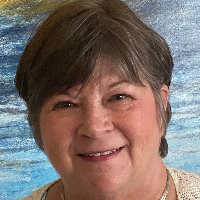
Ranka Smith
BACP
Experienced counsellor focused on emotional connection
- Stress, Anxiety
- Relationship
- Self esteem
26 years in practice
Clinical social work directory
2,413 therapists list panic disorder and panic attacks among the things they work with. All offer sessions online, and every profile shows the registering body, the membership number and when it runs to.
This directory page brings together therapists who list panic disorder and panic attacks among their specialties. Use the listings below to review approaches, credentials, languages, and experience that may match what you want.
Browse profiles to learn how different clinicians describe their focus and methods, then continue reading for information on what therapy can involve and how to choose a good fit.
BACP
Experienced counsellor focused on emotional connection
LCSW
Compassionate therapist focused on practical change
BACP
Understanding emotions to guide practical change
BACP
Calm, practical support for emotional challenges
LPC
Compassionate, practical therapy focused on emotion and change
LCSW
Compassionate, goal-focused support for adults
LMFT
Trusted therapist for relationships and trauma
LPC
Compassionate emotional work with practical tools
MD, LCSW-C, LCSW
Compassionate clinician with long-term practical experience
BACP
Experienced relational counsellor for adults
BACP
Compassionate, practical support for emotional struggle
LPC
Warm, practical therapy for life’s hard moments
LPC
Practical, emotion-focused counseling for real life
LCSW
Emotion-focused care for everyday struggles
LCSW, CSW
Warm, practical therapy for emotional clarity
NCPS
Compassionate help for emotional and relationship challenges
BACP
Compassionate counsellor helping people find purpose
LCSW
Compassionate, steady support for emotional healing
BACP
Compassionate counsellor for emotional healing
LCSW
Experienced LCSW focusing on emotion and healing
BACP
Calm, practical support for emotional struggles
BACP
Experienced person-centred counsellor for emotional and relationship issues
BACP
Calm, emotion-focused counselling for life challenges
NCPS
Compassionate integrative counsellor with wide cultural experience
LMFT
Calm guidance to understand and change emotions
LPC
Compassionate counselor who focuses on emotional connection
LMHC
Compassionate counselor for practical change
BACP
Calm support for stress and relationships
LCSW
Compassionate, experienced therapist for life transitions
LCSW
Attachment-focused therapist for relationship and stress concerns
LPC
Compassionate counselor for life transitions and emotion work
LCSW
Compassionate therapy for emotional and relational challenges
LCSW
Compassionate guidance for emotional healing
LMHC
Compassionate, practical support for emotional change
LMHC
Practical, emotion-focused therapy for adults
LMHC
Compassionate therapist focused on emotional healing
PACFA
Calm, practical therapy for emotional and relationship issues
BACP, NCPS
Calm, practical counselling for real-life struggles
LCSW
Compassionate, practical therapy for life challenges
LPCC
Compassionate counselor focusing on emotional connection
Some links on this page are partner links. We will earn a commission if you sign up through one, at no cost to you. It does not change what you pay or the order of the listings.
Panic attacks are intense episodes of fear or discomfort that rise quickly and peak within minutes. They can include racing heart, shortness of breath, dizziness, trembling, and a strong sense that something bad is happening. For some people these events happen in particular situations and for others they seem to come out of nowhere. When recurrent panic attacks lead to persistent concern about having more attacks or to significant changes in daily routines to avoid situations associated with attacks, clinicians often describe this pattern as panic disorder.
You may experience panic attacks as physically alarming and emotionally overwhelming. The episodes themselves can be short-lived, but the fear of another attack and the strategies you use to avoid triggers can have a substantial impact on work, relationships, social activities, and quality of life. Many people also report feeling uncertain about what is happening during an attack, which increases distress and can make it harder to seek help. Therapy aims to reduce the frequency and intensity of attacks and to help you rebuild confidence in your ability to manage symptoms when they occur.
Deciding to look for a therapist often follows a period of feeling limited by panic symptoms. You might notice that worry about future attacks occupies a lot of mental space, that you are avoiding places or activities you once enjoyed, or that you are using avoidance or safety behaviors that feel necessary but are interfering with daily life. Episodes that lead to embarrassment, job difficulties, withdrawal from friends or family, or ongoing distress are also common reasons people seek therapy.
Therapy can help even if you are not sure whether your experience meets a specific diagnostic label. If attacks are unpredictable and you find yourself changing routines to reduce risk, or if physical symptoms during an attack leave you fearful of serious illness despite medical reassurance, talking with a therapist may provide relief. You might also look for help if worry about panic is keeping you from trying new things, returning to previously enjoyed activities, or engaging fully at work or school. A therapist can work with you to understand patterns, develop coping strategies, and create a plan to test and change unhelpful habits.
Therapy for panic disorder typically begins with an assessment period in which you and the therapist review your history of panic attacks, patterns of avoidance, medical background, and current stressors. Early sessions often focus on building a shared understanding of what triggers attacks for you and how you typically respond. You and the clinician will develop goals together - for some people the aim is to reduce attack frequency, for others it is to regain confidence in specific situations or to reduce avoidance behaviors that limit life choices.
Sessions commonly include a mix of education, skill-building, and gradual exposure to feared sensations or situations. Education helps demystify the body’s alarm response so that bodily symptoms feel less catastrophic. Skill-building teaches practical ways to manage intense sensations and distress in the moment. Over time you may practice approaching previously avoided places or activities in a supported way. Therapy is collaborative - you bring the lived experience and the therapist brings frameworks and techniques that fit your preferences. Many people find that learning to tolerate uncomfortable sensations and changing the meaning attached to them reduces the power that panic has over daily life.
There are a range of approaches that therapists may use when working with panic disorder and panic attacks. Cognitive-behavioral strategies are frequently highlighted because they focus on the links between thoughts, sensations, and behavior. You will often encounter therapists who list cognitive-behavioral therapy or CBT among their approaches; these clinicians may use techniques that help you test fearful predictions and reframe unhelpful interpretations of bodily cues.
Exposure-based work is another common component. This may involve interoceptive exposure - intentionally bringing on safe, benign bodily sensations that resemble those you experience during a panic attack - so you can learn that these sensations are manageable. Some therapists who list mindfulness or acceptance-based approaches among their methods emphasize learning to observe sensations without fighting them, which can reduce the urge to escape or avoid. Other therapists may describe using breathing retraining, relaxation practices, or behavioral experiments to shift the patterns that maintain panic. You may also find clinicians who list trauma-informed approaches or who note that they incorporate elements of psychodynamic or relational work; these approaches can be useful when panic is connected to underlying stress, past experiences, or attachment patterns. When reviewing profiles, look for descriptions of how a therapist explains the role of panic and which strategies they typically use to address it.
Online therapy has become a widely used option for people seeking help for panic disorder and panic attacks. You can expect to find clinicians offering sessions by video, phone, or a combination of formats. Many people choose online sessions because they remove travel time and can make it easier to meet with a therapist from home or from another familiar location. Video sessions often provide a chance to practice coping skills in the environment where you experience stress, which can make exposure work more accessible. Phone sessions may feel less visually focused and can be helpful when you want more anonymity or fewer visual cues in the interaction.
When you review therapist listings, pay attention to how clinicians describe their clinical focus and the approaches they mention. Consider language, tone, and whether a therapist explains how they work with panic specifically. It can also be important to look at practical details that matter to you - such as languages spoken, typical session length, and whether they describe offering brief skills-focused work versus longer-term therapy. If you prefer a certain approach, look for therapists who list that method among their approaches, and read profile statements that explain how they tailor techniques to each person. Trust your impressions of a profile - a clear, compassionate description often points to a clinician who communicates well about expectations and collaboration.
Choosing a therapist is a personal process. Start by clarifying your priorities - whether that is learning specific coping skills, addressing avoidance, or exploring underlying contributors to panic. Look for therapists who use language that resonates with you and who describe goals similar to your own. Pay attention to whether a therapist mentions working with panic explicitly, and note if they describe using exposure work, cognitive strategies, or acceptance-based practices if those are appealing to you. Consider practical match factors such as languages spoken, cultural competence, and policies that matter to you, including session length and fee structure. Finally, allow yourself a trial period to evaluate how the clinician’s style fits with your needs - therapy works best when you feel reasonably comfortable with the approach and able to engage in the work.
Finding the right therapist can make a meaningful difference in how you experience and manage panic. Use this directory to explore profiles, learn about approaches, and narrow your choices based on the aspects of care that matter most to you. With thoughtful selection and supported practice, you can build skills to respond to panic in ways that reduce its hold on your daily life.