Michigan 35 years in practice
Clinical social work directory
Therapists who work with Sexuality
1,456 therapists list sexuality among the things they work with. All offer sessions online, and every profile shows the registering body, the membership number and when it runs to.
On this page you will find therapists who list sexuality and intimacy among their specialties. Use the filters to explore different approaches, languages, credentials, and experience. Browse the listings below to find professionals who match what you're looking for.

Margaret Couch
LCSW
Compassionate therapist focused on practical change
- Stress, Anxiety
- Parenting
- Bipolar
Illinois 41 years in practice

Farah Southwell
LPC
Compassionate emotional work with practical tools
- Stress, Anxiety
- Relationship
- Family
Georgia 30 years in practice

Victoria Small
BACP
Emotion-focused, practical therapy for life challenges
- Stress, Anxiety
- Family
- Trauma and abuse
10 years in practice

Julie Elliott
MD, LCSW-C, LCSW
Compassionate clinician with long-term practical experience
- Stress, Anxiety
- Relationship
- Family
Texas 35 years in practice
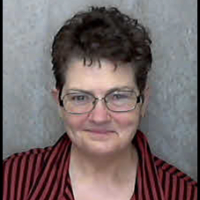
Rosalind Oliver
BACP
Experienced relational counsellor for adults
- Stress, Anxiety
- LGBT
- Trauma and abuse
3 years in practice

Chirayu Goyal
BACP
Compassionate counsellor for relationship and identity concerns
- Relationship
- Family
- Grief
3 years in practice

Heather Friend
LCSW, CSW
Warm, practical therapy for emotional clarity
- Stress, Anxiety
- Relationship
- Trauma and abuse
Colorado 8 years in practice

Frieda Kagola
AASW
Sensitive, practical support for emotional healing
- Stress, Anxiety
- Relationship
- Trauma and abuse
7 years in practice

Sukvinder Grewal
NCPS
Compassionate help for emotional and relationship challenges
- Stress, Anxiety
- Relationship
- Family
8 years in practice

Illinois 25 years in practice

Texas 9 years in practice

Lorelle Busby
BACP
Calm, practical support for emotional struggles
- Stress, Anxiety
- Trauma and abuse
- Self esteem
5 years in practice

Sidonia Stiles
BACP
Experienced person-centred counsellor for emotional and relationship issues
- Stress, Anxiety
- Relationship
- Grief
27 years in practice

Andrew Merz
BACP
Calm, emotion-focused counselling for life challenges
- Stress, Anxiety
- Grief
- Self esteem
5 years in practice

Savithri (Savi) Jayaweera
NCPS
Compassionate integrative counsellor with wide cultural experience
- Stress, Anxiety
- Relationship
- Trauma and abuse
16 years in practice

Marianne Costales-Roman
LCSW
Trusted LCSW for emotional and relationship challenges
- Stress, Anxiety
- LGBT
- Parenting
Illinois 27 years in practice

Joel Brooks
LCSW
Compassionate, experienced therapist for life transitions
- Stress, Anxiety
- Addictions
- Relationship
Florida 42 years in practice

Michael Robinson
LCSW
Attachment-focused therapist for relationship and stress concerns
- Stress, Anxiety
- Addictions
- LGBT
Louisiana 8 years in practice

Mary Griffith
LPC
Compassionate counselor for life transitions and emotion work
- Stress, Anxiety
- Relationship
- Family
Mississippi 15 years in practice

Kelley Sullivan
LCSW
Compassionate therapy for emotional and relational challenges
- Stress, Anxiety
- Relationship
- Trauma and abuse
Texas 19 years in practice

Elizabeth Carter
LMHC
Compassionate, practical support for emotional change
- Stress, Anxiety
- Trauma and abuse
- Parenting
Florida 32 years in practice

Cornelius "Corey" Human
PACFA
Calm, practical therapy for emotional and relationship issues
- Stress, Anxiety
- Relationship
- Parenting
18 years in practice

Prossy Nabweteme
BACP
Collaborative counselling for relationships and life changes
- Relationship
- Family
- Grief
12 years in practice

Shannon Mott
LCSW
Compassionate, practical therapy for life challenges
- Stress, Anxiety
- Relationship
- Family
Louisiana 9 years in practice

Oklahoma 25 years in practice

Oklahoma 9 years in practice

George Vega
LMHC
Compassionate counselor helping people move forward
- Stress, Anxiety
- Addictions
- Relationship
Florida 11 years in practice

Dr. Sharon Belhamel
LMFT
Compassionate therapy for life’s hard transitions
- Stress, Anxiety
- Relationship
- Career
Georgia 20 years in practice

Dr. Sydney Crane
LMFT
Compassionate, relational therapy for emotional change
- Stress, Anxiety
- LGBT
- Relationship
Texas 10 years in practice

5 years in practice

Texas 12 years in practice

Sandra Musielewicz
LCSW
Supportive LCSW guiding practical emotional change
- Stress, Anxiety
- Self esteem
- Bipolar
Texas 9 years in practice

Martha Burling
BACP
Compassionate counselling for everyday challenges
- Stress, Anxiety
- Addictions
- Grief
6 years in practice

Felicia Cameron
BACP
Calm, practical support for emotional change
- Stress, Anxiety
- Addictions
- Relationship
12 years in practice

Yun-Ting Chou
BACP
Calm, practical counselling for relationship and life challenges
- Relationship
- Family
- Trauma and abuse
3 years in practice

Rachael Figueroa
LCSW
Compassionate, emotion-focused therapy for real life
- Stress, Anxiety
- Grief
- Anger
New York 25 years in practice

Sunah Akhtar
BACP
Compassionate, practical therapy for everyday struggles
- Stress, Anxiety
- Relationship
- Family
9 years in practice

Dawn Maria Spradley
LPC
Compassionate therapist focused on emotional healing
- Stress, Anxiety
- Addictions
- Relationship
Texas 5 years in practice

Ruth Vanden Bosch
LPC
Compassionate counselor blending emotional and practical work
- Stress, Anxiety
- LGBT
- Relationship
Michigan 25 years in practice

5 years in practice

(Maria) Asuncion Fernandez Hemoso
BACP
Warm, practical counselling focused on feelings and change
- Stress, Anxiety
- Addictions
- Trauma and abuse
14 years in practice

Lucia Stanfield
LMHC
Compassionate counselor for complex emotions
- Addictions
- Relationship
- Trauma and abuse
Florida 20 years in practice

James Joseph Beaulieu
LPC
A steady, practical counselor for emotional change
- Addictions
- Relationship
- Family
Pennsylvania 28 years in practice

Holly Bankston
LPC
Compassionate counselor for practical change
- Stress, Anxiety
- Relationship
- Self esteem
Texas 17 years in practice

Shaun Underwood
BACP
Supportive counsellor for emotional and life challenges
- Stress, Anxiety
- Anger
- Self esteem
4 years in practice

Alison Kennedy
BACP
Empathic, experienced counsellor for life changes
- Stress, Anxiety
- Relationship
- Trauma and abuse
12 years in practice

Kingsley Boateng
BACP, NCPS
Warm, collaborative counselling for life changes
- Stress, Anxiety
- LGBT
- Relationship
7 years in practice

Some links on this page are partner links. We will earn a commission if you sign up through one, at no cost to you. It does not change what you pay or the order of the listings.
Understanding Sexuality and How It Affects You
Sexuality is a broad, personal aspect of life that includes sexual orientation, identity, desire, arousal, behavior, and values. It shapes how you relate to yourself and others, and it can be intertwined with emotional connection, self-image, cultural background, and relationship dynamics. For many people, sexuality is a source of joy and meaning; for others, it can bring confusion, distress, or conflict. Because sexuality touches both the body and the mind, concerns in this area often present alongside mood changes, stress, or relationship strain.
When sexuality is out of step with your expectations, it can affect daily functioning and well-being. You might notice avoidance of intimacy, persistent worries about performance, or difficulty expressing your needs. Cultural messages, past experiences, and interpersonal patterns all shape sexual attitudes and responses. Understanding sexuality in context - as a product of biology, psychology, and social influence - helps frame the questions you bring to therapy and points toward meaningful areas to explore.
Signs You Might Benefit from Therapy for Sexuality
You might consider seeking support if you experience persistent sexual difficulties or if your sexual life is causing distress in other parts of your life. Signs include ongoing low desire, difficulty with arousal or orgasm, pain during sexual activity, anxiety about performance, or recurring conflict with a partner about intimacy. You may also seek help if you are exploring your sexual orientation or gender identity and want a supportive space to process what that means for your relationships and sense of self.
Other reasons people pursue sexuality-focused therapy include navigating consensual non-monogamy, addressing the aftermath of sexual coercion or trauma, managing mismatch in desire between partners, or coping with changes related to aging, health conditions, or medications. If you find your sexual concerns are tied to shame, guilt, or avoidance, talking with a clinician can help you develop practical strategies and build comfort in expressing your needs.
What to Expect in Therapy Focused on Sexuality
In an initial session you can expect a conversation about the concerns that brought you in, your personal and relationship history, and any medical or mental health factors that may be relevant. A therapist will typically ask about your goals for therapy and work with you to establish a plan. Sessions often emphasize open, nonjudgmental dialogue so you can clarify values, boundaries, and expectations related to intimacy.
Therapy for sexuality often combines education, emotional processing, and skill-building. You may spend time learning about sexual response and anatomy, practicing communication techniques to express desires and consent, or developing pacing plans to address anxiety or pain. Couples work may focus on rebuilding trust, negotiating needs, and creating rituals for connection. For some people, exploring early experiences, body image, or cultural messages about sex becomes central to shifting long-standing patterns.
Throughout the process you should be able to expect a respectful, supportive environment where your autonomy and choices are honored. Therapists may suggest exercises to practice between sessions that help you apply insights to real-life interactions. Progress can look different depending on your goals - it might mean feeling more comfortable with your body, communicating more directly with a partner, or reducing anxiety around sexual activity.
Common Therapeutic Approaches Used for Sexuality
Therapists bring a variety of approaches to sexuality-related work. Some of the most commonly listed methods include cognitive-behavioral strategies that address unhelpful thoughts and avoidance patterns, psychodynamic work that explores relational and developmental influences, and somatic approaches that focus on bodily experience. You will also find clinicians who list couples therapy, sex therapy, mindfulness-based techniques, and trauma-informed care among their approaches. When browsing listings, you may notice therapists who list specific modalities among their approaches - that language indicates the methods they use, not a statement about formal certification.
Approaches That Address Thoughts and Behaviors
Cognitive-behavioral methods help you identify patterns of thinking that contribute to anxiety, shame, or avoidance around sexuality. In this framework you may work on challenging catastrophic expectations about performance, developing gradual exposure to feared sensations or activities, and practicing behavioral experiments to test new ways of relating sexually. Therapists who list mindfulness-based or acceptance-oriented approaches can help you cultivate present-moment awareness and reduce fusion with distressing thoughts so you can respond more flexibly to sexual cues.
Relational and Body-Focused Approaches
Relationship-focused modalities often concentrate on interactional patterns that shape sexual life - such as how each partner expresses desire, gives feedback, and negotiates boundaries. Sex therapy techniques commonly include communication coaching, sensate focus exercises to rebuild physical connection without pressure, and skills for consent and negotiation. Somatic approaches emphasize the felt sense of the body and may incorporate breath, movement, and grounding to help you access sensations without judgment. Trauma-informed approaches prioritize pacing and safety, working to reestablish a sense of control and agency around sexual decisions.
How Online Therapy Works for Sexuality Concerns
Online therapy offers ways to access clinicians from different regions and with varied experience without the need to travel. Many people find that virtual sessions make it easier to fit therapy into a busy schedule or to connect with a therapist who shares a specific area of focus, language, or cultural background. Typical online formats include video sessions that recreate face-to-face conversation, phone sessions for more privacy in certain settings, and asynchronous messaging for ongoing check-ins. Each format has strengths and trade-offs depending on your comfort and goals.
When engaging in online sexuality-focused work, it helps to prepare a setting where you feel comfortable talking about intimate topics. This may mean ensuring you will not be overheard, reducing distractions, and having a plan for handling strong emotions between sessions. Online work can accommodate couples in different locations, allowing you to meet together from separate spaces. Therapists who list telehealth or online therapy among their approaches will usually describe how they handle records, crisis planning, and boundaries for electronic communication - those details can guide your expectations about the therapeutic process.
Choosing the Right Therapist for Sexuality Work
Selecting a therapist for sexuality-related concerns is a personal decision shaped by the fit between your needs and a clinician's focus, approach, and identity. Consider what matters most to you - for example, do you want someone who has experience working with LGBTQ+ identities, or a clinician who lists trauma-informed care among their approaches? Do you prefer a therapist who emphasizes body-centered techniques or one who focuses more on communication skills for couples? Look for language in listings that aligns with your values and the tone you want from therapy.
It is also reasonable to pay attention to practical factors such as languages spoken, session format, and professional background. Many people find it helpful to read a therapist's profile to get a sense of how they describe their work and to note whether their stated areas of focus resonate with your concerns. Trust your sense of comfort in early interactions - you should feel that the clinician listens without judgment and respects your autonomy. If your needs change over time, it is appropriate to discuss those changes with your therapist or look for someone whose offerings align more closely with new goals.
Ultimately, the most useful match is one where you can address sexuality and intimacy openly and develop skills and insights that improve your daily life and relationships. Whether you are exploring identity, seeking relief from sexual pain, managing desire differences, or recovering from past harm, therapy can provide tools and perspectives to help you move forward. Use the listings on this page to explore options and connect with a clinician whose approach and experience fit what you are seeking.
Keep exploring
Related concerns
Ways of working