Michigan 35 years in practice
Clinical social work directory
Therapists in Michigan
125 therapists in this directory hold a licence issued in Michigan and name systemic therapy among their approaches. Sessions are online; a US therapist can usually only see people in a state where they hold a licence, so check the credentials panel on each profile.
Welcome to our directory of online therapists who serve Michigan residents. All therapists listed here hold current Michigan licenses, so you can focus on their approaches and specialties. Explore profiles to compare credentials, languages, and areas of practice.

Prof. Ryan Davis
LPC
Practical, emotion-focused counseling for real life
- Stress, Anxiety
- Addictions
- Relationship
Michigan 14 years in practice

Ruth Vanden Bosch
LPC
Compassionate counselor blending emotional and practical work
- Stress, Anxiety
- LGBT
- Relationship
Michigan 25 years in practice

Karin Johnson
LMSW
Compassionate social worker focused on relationships
- Stress, Anxiety
- Relationship
- Family
Michigan 21 years in practice

Dr. Darlene Groomes
LPC
Practical, emotion-focused counseling for life challenges
- Stress, Anxiety
- Addictions
- Relationship
Michigan 4 years in practice

Ferial Youkhanna
LMSW
Practical emotional work for life changes
- Stress, Anxiety
- Addictions
- Relationship
Michigan 24 years in practice

Danielle Horn
LMSW
A focused, emotion-led path through deep pain
- Stress, Anxiety
- Trauma and abuse
- Self esteem
Michigan 4 years in practice

Michigan 18 years in practice

Michigan 40 years in practice

Lisa Hilton
LMSW
Compassionate, emotion-focused therapy for change
- Stress, Anxiety
- Relationship
- Trauma and abuse
Michigan 20 years in practice

Roxsanna Stenuis
LMSW
Compassionate therapist focusing on emotional healing
- Stress, Anxiety
- Addictions
- Trauma and abuse
Michigan 20 years in practice

Michigan 8 years in practice

Michigan 20 years in practice

Donna Khan
LMSW
Compassionate, practical therapy focused on relationships
- Stress, Anxiety
- Family
- Trauma and abuse
Michigan 31 years in practice

Cassandra Tordosinsky
LPC
Compassionate counselor focused on practical change
- Stress, Anxiety
- Addictions
- Trauma and abuse
Michigan 13 years in practice

Surilla Lawrence
LPC
Emotion-focused care with practical tools
- Stress, Anxiety
- Relationship
- Trauma and abuse
Michigan 7 years in practice

Jonathan Rosengren
LMSW
Supportive therapist focused on emotional connection
- Stress, Anxiety
- Addictions
- Relationship
Michigan 9 years in practice

Michael McWhirter
LMSW
Brief, practical therapy focused on emotions and change
- Stress, Anxiety
- Addictions
- Family
Michigan 38 years in practice
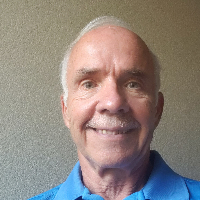
Amanda Eidemiller
LMSW
Compassionate social worker supporting emotional healing
- Stress, Anxiety
- Grief
- Self esteem
Michigan 30 years in practice

Cynthia Gladyness
LMSW
Compassionate, practical therapy for life’s challenges
- Stress, Anxiety
- Addictions
- Relationship
Michigan 26 years in practice

Michigan 25 years in practice

Michigan 22 years in practice

Michigan 21 years in practice

Michigan 7 years in practice

Michigan 24 years in practice

Mary Niedermeier-Bleyaert
LMSW
Calm, experienced social worker guiding practical change
- Stress, Anxiety
- Relationship
- Family
Michigan 34 years in practice

Valerie Jackson
LMSW, LCSW, CSW
Compassionate social worker focused on relationships
- Stress, Anxiety
- Relationship
- Family
Michigan 30 years in practice

Nancy Maxwell
LMSW
Compassionate, practical support for everyday struggles
- Stress, Anxiety
- Self esteem
- Depression
Michigan 20 years in practice

Michigan 28 years in practice

Michigan 35 years in practice

Dr. Lucetry Dalton-Trusty
MI Psychologist
Collaborative psychologist helping people build stronger connections
- Stress, Anxiety
- Relationship
- Family
Michigan 10 years in practice

Susan Russell
LPC
Therapist focused on emotions and practical change
- Stress, Anxiety
- Relationship
- Anger
Michigan 11 years in practice

Michigan 7 years in practice

Michigan 6 years in practice

Brenda Sanders
LMSW
Compassionate therapist for emotional healing
- Stress, Anxiety
- Addictions
- Trauma and abuse
Michigan 6 years in practice

Deana Schad
LPC
Compassionate therapist focused on steady change
- Stress, Anxiety
- Addictions
- Relationship
Michigan 17 years in practice

Bri Harless
LPC
Practical, respectful counseling for everyday struggles
- Addictions
- Trauma and abuse
- Parenting
Michigan 14 years in practice

Pamela Davis
LMSW
Compassionate therapist focusing on emotional healing
- Stress, Anxiety
- Relationship
- Trauma and abuse
Michigan 32 years in practice
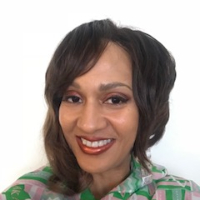
Michigan 13 years in practice

Susan King
LMFT
Compassionate relational therapy for life transitions
- Stress, Anxiety
- Relationship
- Grief
Michigan 7 years in practice

Patricia Palmer
LPC
Compassionate counselor focused on emotional connection
- Stress, Anxiety
- Self esteem
- Depression
Michigan 15 years in practice

Dr. Melissa Oleshansky
MI Psychologist
Compassionate psychologist who blends coaching and therapy
- Stress, Anxiety
- Relationship
- Self esteem
Michigan 25 years in practice

Cynthia Williams
LPC
Emotion-focused counselor helping people manage strong emotions
- Stress, Anxiety
- Depression
Michigan 29 years in practice

Johnathan Lein
LMSW
Collaborative, emotion-focused therapy and skills
- Stress, Anxiety
- Trauma and abuse
- Intimacy-related issues
Michigan 40 years in practice

Joye Pascall
LPC
Practical, goal-focused therapy for relationships and life changes
- Relationship
- Trauma and abuse
- Parenting
Michigan 20 years in practice

Michigan 7 years in practice

Petra Morey
LMFT
Compassionate, practical relationship and life support
- Stress, Anxiety
- Relationship
- Intimacy-related issues
Michigan 9 years in practice

Michigan 25 years in practice

Some links on this page are partner links. We will earn a commission if you sign up through one, at no cost to you. It does not change what you pay or the order of the listings.
Overview of online therapy availability in Michigan
Online therapy has become a widely used option for people across Michigan seeking counseling and emotional support. In recent years, many licensed practitioners have added virtual sessions to their practices, allowing you to connect with a clinician from home, work, or another personal setting within the state. The landscape of teletherapy continues to evolve as regulations, technology, and professional practice adapt to new norms. What matters most is that a therapist who provides services to you while you are located in Michigan is authorized to do so under state licensure rules. That authorization helps ensure that the clinician meets the state standards for education and professional conduct that apply to their license type.
Benefits of online therapy for Michigan residents
When you choose online therapy, you may find greater convenience when fitting sessions into a busy week, since travel time is eliminated and you can meet from locations that work for you. Online formats may also increase access to therapists who specialize in particular areas - for example, cultural or language match - even if those therapists are not near your town. For people living in rural or remote parts of Michigan, virtual sessions can broaden options beyond what is available locally. You may also appreciate the flexibility of different communication formats - video, phone, or messaging - depending on what you find most helpful. Many people report that remote work with a clinician allows them to maintain continuity of care during life transitions, seasonal changes, or relocations within the state.
Common concerns and issues online therapists in Michigan help with
Online therapists in Michigan work with a broad range of concerns that mirror in-person practice. You can find clinicians who list specialties in anxiety, depression, relationship issues, grief, stress management, parenting support, and life transitions. Practitioners also commonly list experience with trauma-related concerns, coping with chronic health conditions, and workplace or school-related stress. If you have a particular therapeutic approach in mind, you may encounter therapists who list cognitive-behavioral approaches, mindfulness-based methods, emotion-focused work, or who list EMDR among their approaches. Listing an approach does not indicate formal certification or a specific credential beyond what a clinician chooses to share, so it can be useful to read descriptions and ask questions about how they apply a method in practice. Online formats can be appropriate for short-term problem-focused work and longer-term therapeutic relationships, depending on your goals and the clinician's stated focus.
Verifying a therapist's license and understanding credentials in Michigan
It is important to know how to confirm that a clinician is licensed in Michigan and to understand what different credentials mean. The Michigan Department of Licensing and Regulatory Affairs maintains an online license lookup where you can search by name or license number to confirm a practitioner's license type, current status, and any disciplinary history. When you review a profile, look for the license category - for example, licensed professional counselor, licensed clinical social worker, or psychologist - and note the issuing board. If a listing includes a license number, you can enter that into the state lookup to verify it matches the clinician's name. You can also contact the state board directly if you have questions about what a license allows a clinician to do. Keep in mind that a therapist may list therapeutic approaches on their profile; those listings describe what they use in practice but do not substitute for a verification of formal credentials or specialized training. If verifying a license raises questions, you can ask the clinician to provide their license number or documentation so you can confirm it yourself through the state resources.
Getting started with an online therapist and what to expect
Beginning online therapy typically starts with reviewing practitioner profiles and identifying a few clinicians whose specialties and approaches match your needs. When you reach out for an initial conversation, you can ask about session length, typical focus of work, how a clinician describes their approach, fees, and whether they provide documentation like a superbill for insurance reimbursement. It is reasonable to inquire about the technology they use for video sessions and any steps they recommend to prepare for a successful virtual meeting, such as finding a quiet, comfortable environment and testing your camera and microphone. Before your first full session, clinicians generally share informed consent information that explains information-sharing boundaries practices, emergency planning, and how records are kept. Since you and the clinician will be working from different locations, discuss what to do in an emergency or crisis so you understand local supports and how the clinician will help coordinate care if needed. Starting with clear goals and a sense of how a clinician approaches progress can help you make the most of early sessions.
Practical tips for choosing the right online therapist
Choosing a therapist is a personal decision that blends practical concerns with how comfortable you feel with a clinician's style. Look for therapists who list focus areas that align with what you want to address, and note whether their descriptions emphasize skill-building, insight-oriented work, or a blended approach. Pay attention to credentials and license types so you understand the clinician's professional background. If language or cultural responsiveness matters to you, search for clinicians who note those strengths in their profiles. Consider logistical factors such as session length, fee structure, whether the clinician provides documentation for insurance reimbursement, and the platforms they use for video sessions. Beyond logistics, trust your sense of rapport during an initial conversation - a good match often includes clear communication, a respectful tone, and a collaborative stance toward goals. If something about the clinician's approach feels unclear, it is appropriate to ask for examples of how they would work with an issue similar to yours. Over time, you will get a sense of whether the relationship supports progress toward the outcomes you hope to achieve.
Final considerations as you begin your search
As you explore online therapists in Michigan, keep in mind that the directory is a starting point for comparison and learning. Profiles can help you narrow options by approach, focus, language, and professional credentials, while state resources let you verify licensure information. Taking a thoughtful approach to questions about technique, logistics, and how the clinician measures progress can make it easier to find a collaborative working relationship. Whether you are seeking short-term support for a specific concern or longer-term therapeutic engagement, preparing a few questions and clarifying your goals can help you make an informed decision and begin meaningful work with a licensed clinician who serves Michigan residents.