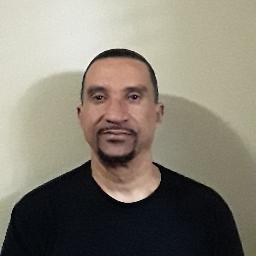
Cornell Anderson, LMHC
Washington · 12 years in practice
Cornell Anderson is a licensed mental health counselor with a practical, down-to-earth style.
License and registration
- LMHC, Washington
- 61019298 · expires June 2026
- NPI
- 1063786234 · national provider identifier
- Years in practice
- 12
- Languages
- English
Details are as listed on the therapist's public professional profile. You can check the license with the issuing state board, and the NPI with the national registry.
About Cornell
Cornell Anderson is a licensed mental health counselor with a practical, down-to-earth style. He earned a master’s degree in Marriage and Family Therapy and brings 12 years of clinical experience. He meets people where they are and focuses on concrete steps to reduce stress and manage difficult feelings.
Cornell draws on a mix of methods to match each person's needs. He uses Emotionally-Focused Therapy to look at how emotions shape relationships and personal patterns.
Background and approach
He also uses cognitive behavioral techniques to spot and change unhelpful thoughts, and client-centered methods to build a respectful, nonjudgmental space. In sessions Cornell helps people talk through anxiety, depression, and mood instability. He also supports work on addictions, eating concerns, sexual trauma, intimacy struggles, and issues around identity and discrimination.
He offers practical tools for coping with life changes and managing strong emotions like anger. Cornell pays attention to family and parenting stress and to relationship problems such as infidelity or non-monogamous arrangements. He also works with people facing obsessive or compulsive behaviors, process addictions, personality challenges, and sexual difficulties.
His approach is collaborative and straightforward. Sessions tend to blend skill-building, emotional exploration, and real-world planning. The goal is clearer choices and better daily functioning rather than jargon or lengthy theory.
Focus areas and approaches
Everything Cornell lists on their public professional profile, in their own terms.
- Stress, Anxiety
- Relationship issues
- Family conflicts
- Parenting issues
- Depression
- Addictions
- LGBT
- Trauma and abuse
- Intimacy-related issues
- Eating disorders
- Anger management
- Self esteem
- Career difficulties
- Bipolar disorder
- Coping with life changes
- Infidelity
- Veteran and Armed Forces Issues
- Multicultural concerns
- Obsessions, compulsions, and OCD
- Personality disorders
- Polyamory / non-monogamous relationships
- Prejudice and discrimination
- Process addiction (porn, exercise, gambling)
- Self-harm
- Sex addiction
- Sexual assault and abuse
- Sexual dysfunction
Approaches Cornell names
- Emotionally-Focused Therapy (EFT)
- Acceptance and Commitment Therapy (ACT)
- Client-Centered Therapy
- Cognitive Behavioral Therapy (CBT)
- Existential Therapy
- Mindfulness Therapy
- Motivational Interviewing
- Narrative Therapy
- Solution-Focused Therapy
- Trauma-Focused Therapy
Naming an approach is not evidence of training in it. This directory copies what each therapist lists and does not check training records.
Online support
How therapeutic approaches translate to online care
Emotionally-Focused Therapy (EFT) focuses on emotions and patterns that shape relationships and personal habits. Online work with EFT often means identifying key emotional reactions and practicing new ways of responding during sessions and between meetings.Acceptance and Commitment Therapy (ACT) helps people notice thoughts and feelings without getting stuck, then move toward values-based actions. Online ACT sessions commonly mix brief exercises, mindfulness practices, and action plans you can try between meetings.
Client-Centered Therapy emphasizes listening, empathy, and respect. In an online setting this looks like a calm, supportive conversation where the therapist follows the client's concerns and pace.
Cornell treats choosing approaches as a collaborative process. He will help clients test what fits their goals and preferences, adjusting techniques so sessions feel useful and manageable. The plan evolves based on what actually helps.
Online therapy offers flexibility through video calls, phone sessions, live chat, or text messaging. Video calls work well when visual cues matter, phone sessions use less bandwidth, live chat can suit short check-ins, and text lets people write through thoughts over time. These options make it easier to fit care around work, family, and daily life while still using emotion-focused and skill-based work.
We will earn a commission if you sign up through our link, at no cost to you. It does not change what you pay or the order of the listings.
Questions people ask
What kinds of problems does this therapist help with?
Cornell works with a wide range of concerns including stress, anxiety, depression, addictions, trauma and abuse, relationship and intimacy issues, parenting and family stress, eating and sexual difficulties, anger, self-esteem, bipolar concerns, and coping with life changes.
What is the therapist's style in sessions?
He blends emotion-focused work with practical strategies and client-centered listening. Sessions typically include emotional exploration plus skill practice to manage thoughts, behaviors, and reactions.
How much clinical experience does this counselor have?
Cornell has 12 years of experience working in mental health settings and has supported people dealing with mood instability, substance use, sexual trauma, and identity development.
What are the therapist's credentials and practice region?
Cornell holds the LMHC credential and practices in Washington state.
Can I see this therapist if I live outside the United States?
Sessions are offered in English and he is not currently accepting international clients.
What session formats are available?
He provides video calls, phone sessions, live chat, and text-based messaging to fit different schedules and communication preferences.
How are fees and payment handled?
Cost varies with location and therapist availability; sessions are provided through a subscription model that can be canceled at any time.
What do I do to begin working with this therapist?
To start, select the Start Therapy button, complete a short matching questionnaire, and schedule a session according to the therapist's availability.
More therapists in Washington
See allDr. Heidi Duong
LMHC
Compassionate therapist helping you find greater life meaning
- Stress, Anxiety
- Trauma and abuse
- Eating

Jamie Clausen
LMHC
Compassionate counselor focused on practical skills
- Stress, Anxiety
- Trauma and abuse
- Self esteem


Daniel Schroeder
LMHC
Emotion-focused counselor guiding real change
- Stress, Anxiety
- Relationship
- Family

Is this your profile?
Ask us to correct details or take the page down.
Contact us