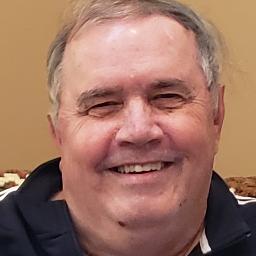
Dr. Johnnie (John) Terrell, FL Psychologist, IN Psychologist
Indiana · 45 years in practice
Dr. Johnnie (John) Terrell is a clinical psychologist with decades of experience.
License and registration
- Psychologist, Indiana
- 20042036A · expires August 2026
- Psychologist, Florida
- PY10787 · expires May 2028
- NPI
- 1942493168 · national provider identifier
- Years in practice
- 45
- Languages
- English
Details are as listed on the therapist's public professional profile. You can check the license with the issuing state board, and the NPI with the national registry.
About Johnnie
Dr. Johnnie (John) Terrell is a clinical psychologist with decades of experience. He brings a calm, patient presence and a straightforward focus on helping people find ways to cope when life feels overwhelming.
He practices from a place he calls grace and acceptance, aiming to treat each person with kindness and respect. He has worked in hospitals and independent practice across multiple states, and he has many years helping people through depression, anxiety, grief, trauma, and addiction.
Background and approach
His background includes leadership of hospital units and long-term clinical work with people from varied walks of life. This range gives him a broad view of common struggles and how they show up day to day. In sessions he emphasizes listening, patience, and building trust.
He combines interpersonal care with practical techniques drawn from cognitive-behavioral ideas and other therapeutic traditions. He varies his approach to fit each person rather than applying one method to everyone. Dr.
Terrell describes his core style as acceptance-oriented. He focuses on creating a nonjudgmental space where people can talk through painful events, relationship stress, work pressures, or loss. He also works with concerns such as ADHD, anger, eating issues, and questions about life purpose.
He sees therapy as a collaborative process. He tries to help people find hope and regain a sense of direction, even when they feel stuck. If someone needs a different fit, he encourages continued searching until the right match is found.
Focus areas and approaches
Everything Johnnie lists on their public professional profile, in their own terms.
- Stress, Anxiety
- Relationship issues
- Trauma and abuse
- Grief
- Depression
- Addictions
- Family conflicts
- Eating disorders
- Parenting issues
- Anger management
- Self esteem
- Career difficulties
- Bipolar disorder
- Coping with life changes
- Compassion fatigue
- ADHD
- Forgiveness
- Hoarding
- Hospice and end-of-life counseling
- Infidelity
- Intellectual disability
- Jealousy
- Life purpose
- Veteran and Armed Forces Issues
- Paranoia
- Personality disorders
- Phobias
- Post-traumatic stress
- Sexual assault and abuse
Approaches Johnnie names
- Emotionally-Focused Therapy (EFT)
- Attachment-Based Therapy
- Client-Centered Therapy
- Cognitive Behavioral Therapy (CBT)
- Existential Therapy
- Hypnotherapy
- Mindfulness Therapy
- Solution-Focused Therapy
- Trauma-Focused Therapy
Naming an approach is not evidence of training in it. This directory copies what each therapist lists and does not check training records.
Online support
How therapy approaches translate to online care
Emotionally-Focused Therapy focuses on emotions in the moment and how they affect relationships and personal wellbeing. It helps people identify and work with feelings that keep them stuck, such as fear, shame, or grief.Attachment-Based Therapy looks at how early bonds influence current reactions and patterns. It can help people understand why they respond certain ways in relationships and learn safer ways to connect and cope.
Client-Centered Therapy centers on the person's own experience and pace. The therapist follows the client's lead, offers empathy, and helps people find their own solutions to problems like stress, depression, or life transitions.
Choosing the right approach is a collaborative process. The therapist will talk with the client about goals, preferences, and what feels most helpful, and then adapt methods over time. This means trying strategies, seeing what helps, and shifting focus as needed.
Online therapy using video calls, phone sessions, live chat, or text-based messaging adds flexibility. Video supports face-to-face conversation and visual cues. Phone calls use less bandwidth and can fit a break during the day. Chat and messaging are useful for shorter check-ins or when someone prefers written communication. These options make it easier to schedule regular work on the issues that matter.
We will earn a commission if you sign up through our link, at no cost to you. It does not change what you pay or the order of the listings.
Questions people ask
What kinds of problems does this therapist address?
He helps people with stress, anxiety, depression, grief, trauma and abuse, addictions, and relationship strain among other concerns.
What is his therapeutic style like?
His style blends patient listening with kindness and acceptance, paired with practical approaches such as cognitive-behavioral ideas and interpersonal work.
How long has he been practicing?
He brings 45 years of experience working in hospitals and independent practice across multiple states.
What credentials and location are listed?
He is listed as a Florida Psychologist PY10787 and an Indiana Psychologist 20042036A and practices from Indiana.
Can I work with him if I live outside the U.S.?
International clients are accepted and sessions are offered in English.
Which session formats are available?
Sessions can be done by video calls, phone, live chat, or text-based messaging to fit different schedules and needs.
How are fees handled?
Cost varies with location and therapist availability; sessions use a subscription that can be canceled at any time.
What are the steps to begin therapy?
Start by selecting the Start Therapy button, complete a short matching questionnaire, and schedule sessions according to therapist availability.
More therapists in Indiana
See allBrandon Smith
LMHC
Calm, practical support for emotional change
- Stress, Anxiety
- Relationship
- Self esteem

Scott Kaminsky
LMFT
Experienced LMFT focusing on emotion and connection
- Stress, Anxiety
- Relationship
- Family

Christopher Denzler
LMHC
Healing relationships through emotion and skill
- Stress, Anxiety
- Addictions
- Family

Shirley Souder
LMFT, LCSW
Experienced emotional and practical support
- Stress, Anxiety
- Relationship
- Family

Is this your profile?
Ask us to correct details or take the page down.
Contact us