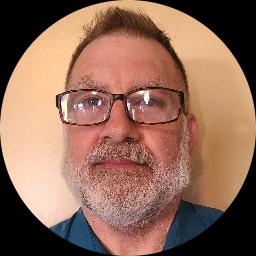
Rodney Black, LCSW, LISW
Nebraska · 31 years in practice
Rodney Black is a licensed social worker with over 31 years of professional experience.
License and registration
- LIMHP, Nebraska
- 3120 · expires September 2026
- LISW, Iowa
- 01073 · expires December 2026
- LCSW, Oregon
- L14200 · expires October 2027
- NPI
- 1295981645 · national provider identifier
- Years in practice
- 31
- Languages
- English
Details are as listed on the therapist's public professional profile. You can check the license with the issuing state board, and the NPI with the national registry.
About Rodney
Rodney Black is a licensed social worker with over 31 years of professional experience. He holds LCSW and LISW credentials and is based in Iowa. He brings long-term, hands-on practice to conversations about recovery, identity, and life changes.
He grew up in the Midwest and served in the U.S. military, including a deployment to Afghanistan. Much of his career has been in community-based settings. That background shaped his decision to focus on practical help for people navigating addiction, trauma, and identity questions.
Background and approach
Rodney describes therapy as a collaborative, person-centered process. Sessions aim to create space for someone to feel heard and to find clearer direction. He draws on approaches that emphasize emotions, relationships, and workable skills.
Clients often meet about concerns such as addiction, trauma and abuse, anger, self-esteem, career questions, and coping with major life changes. He also addresses related topics like codependency, family of origin issues, fatherhood, gender dysphoria, and feelings of emptiness or isolation. His style combines warmth with straightforward guidance.
He uses tools from Emotionally-Focused Therapy, Acceptance and Commitment Therapy, attachment-based work, client-centered practice, and cognitive behavioral approaches. Rodney aims to help people move toward more stable routines, clearer values, and better relationships. People who prefer a direct, experience-informed practitioner may find his approach useful.
He frames therapy as an ongoing journey and offers steady support while clients work toward practical goals.
Focus areas and approaches
Everything Rodney lists on their public professional profile, in their own terms.
- Addictions
- LGBT
- Trauma and abuse
- Anger management
- Coping with life changes
- Self esteem
- Career difficulties
- Aging and geriatric issues
- Codependency
- Disruptive Mood Dysregulation Disorder (DMDD)
- Drug and alcohol addiction
- Emptiness
- Family of origin issues
- Fatherhood issues
- Gender dysphoria
- Guilt and shame
- Isolation / loneliness
- Life purpose
- Men's issues
- Midlife crisis
- Veteran and Armed Forces Issues
- Personality disorders
- Self-harm
- Self-love
- Sexuality
Approaches Rodney names
- Emotionally-Focused Therapy (EFT)
- Acceptance and Commitment Therapy (ACT)
- Attachment-Based Therapy
- Client-Centered Therapy
- Cognitive Behavioral Therapy (CBT)
- Dialectical Behavior Therapy (DBT)
- Existential Therapy
- Jungian Therapy
- Mindfulness Therapy
- Motivational Interviewing
- Narrative Therapy
- Solution-Focused Therapy
- Trauma-Focused Therapy
Naming an approach is not evidence of training in it. This directory copies what each therapist lists and does not check training records.
Online support
Approach-driven care through online sessions
Rodney draws on Emotionally-Focused Therapy to help people understand and reshape emotional responses in close relationships. This approach emphasizes identifying core feelings and creating new interaction patterns that reduce distress and build connection.He also uses Acceptance and Commitment Therapy, which focuses on clarifying personal values and taking practical steps toward them while learning to live with difficult thoughts and feelings. Attachment-based work appears in his practice as well, helping people recognize how early relationship patterns affect current behavior and emotional reactions.
Choosing the right approach is part of the process. Rodney works collaboratively to match methods to a person's needs, goals, and preferences. He discusses options in early sessions and adjusts the approach as progress and priorities become clearer.
Online formats include video calls, phone sessions, live chat, and text-based messaging. Video sessions allow face-to-face conversation across distance. Phone sessions are useful when bandwidth is limited or for a shorter check-in. Live chat and text messaging offer flexibility for quick updates or ongoing support between meetings. These options make it easier to fit therapy into a busy schedule and to keep continuity when travel or relocation occurs.
We will earn a commission if you sign up through our link, at no cost to you. It does not change what you pay or the order of the listings.
Questions people ask
What kinds of concerns does Rodney address?
He works with addictions, trauma and abuse, anger, self-esteem, career issues, and coping with major life changes. Additional focus areas include codependency, family of origin issues, fatherhood concerns, gender dysphoria, and several other related topics.
How would you describe his therapeutic style?
His style is collaborative and person-centered, combining warmth with direct guidance. Sessions focus on making someone feel heard while building practical skills and emotional understanding.
What is his professional background?
Rodney has over 31 years of experience and has worked primarily in community-based settings. He also served in the U.S. military, including a deployment to Afghanistan.
What credentials and location are listed for Rodney?
He holds both LCSW and LISW credentials and is based in Iowa.
Are sessions available in languages other than English?
Sessions are offered in English.
What session formats are offered?
Sessions are offered by video call, phone, live chat, or text-based messaging.
How are costs and billing handled?
Cost varies with location and therapist availability, and sessions use a subscription that can be canceled at any time.
What are the steps to begin working together?
Start by selecting the Start Therapy button, complete a short matching questionnaire, and then schedule sessions according to therapist availability.
More therapists in Iowa
See allMary Ruhland
LISW, CSW-PIP
Compassionate, practical support for emotional healing
- Stress, Anxiety
- Trauma and abuse
- Grief

Kathleen Cates-Richardson
LMFT
Relationship-focused therapist who emphasizes emotional connection
- Addictions
- Relationship
- Trauma and abuse
Lydia Frazier
LISW
Compassionate practical therapy for emotional change
- Stress, Anxiety
- Relationship
- Trauma and abuse

Nicole Randel
LISW
Compassionate, practical therapy for emotional change
- Stress, Anxiety
- LGBT
- Intimacy-related issues

Is this your profile?
Ask us to correct details or take the page down.
Contact us