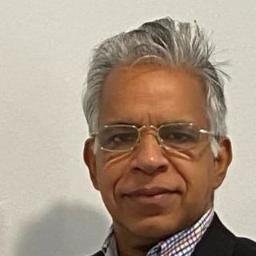
Dr. Sovichan Scaria, LPC, LMFT
Louisiana · 5 years in practice
Dr. Sovichan Scaria is a licensed professional counselor and licensed marriage and family therapist based in Louisiana.
License and registration
- LMFT, Louisiana
- MFT1245 · expires December 2026
- LMFT, Texas
- 206021 · expires April 2027
- LPC, Louisiana
- 8571 · expires June 2027
- NPI
- 1851925929 · national provider identifier
- Years in practice
- 5
- Languages
- English, Malayalam
Details are as listed on the therapist's public professional profile. You can check the license with the issuing state board, and the NPI with the national registry.
About Sovichan
Dr. Sovichan Scaria is a licensed professional counselor and licensed marriage and family therapist based in Louisiana. He brings a calm, respectful manner to sessions and focuses on each person’s strengths.
He speaks English and Malayalam and works with a wide range of concerns, including anxiety, depression, trauma, parenting, grief, and addiction. Dr. Scaria emphasizes practical, team-based work in sessions.
He listens first, then helps people sort through what feels most urgent.
Background and approach
He encourages clients to notice small changes and use existing resources to tackle problems. Conversations are rooted in empathy and nonjudgmental support. He blends Emotionally-Focused Therapy with Acceptance and Commitment Therapy and cognitive-behavioral strategies.
That mix supports both emotional processing and concrete behavior change. Sessions often include naming feelings, testing new ways of responding, and setting small, achievable goals. Dr.
Scaria has five years of clinical experience as a licensed practitioner. Before licensure he spent many years as a pastoral counselor, where he worked with people from various backgrounds. This history informs his relaxed, human approach to care.
People who reach out can expect a steady, practical focus on coping and healing. He aims to help clients build resilience, improve communication, and manage life transitions. The work is collaborative and paced to each person’s needs.
Focus areas and approaches
Everything Sovichan lists on their public professional profile, in their own terms.
- Stress, Anxiety
- Relationship issues
- Family conflicts
- Grief
- Intimacy-related issues
- Addictions
- Trauma and abuse
- Eating disorders
- Sleeping disorders
- Parenting issues
- Anger management
- Self esteem
- Career difficulties
- Bipolar disorder
- Depression
- Coping with life changes
- Coaching
- Compassion fatigue
- ADHD
- Communication problems
- First responder issues
- Forgiveness
- Guilt and shame
- Immigration issues
- Infidelity
- Isolation / loneliness
- Jealousy
- Veteran and Armed Forces Issues
- Multicultural concerns
- Panic disorder and panic attacks
- Personality disorders
- Postpartum depression
- Prejudice and discrimination
Approaches Sovichan names
- Emotionally-Focused Therapy (EFT)
- Acceptance and Commitment Therapy (ACT)
- Client-Centered Therapy
- Cognitive Behavioral Therapy (CBT)
- Existential Therapy
- Mindfulness Therapy
- Narrative Therapy
- Solution-Focused Therapy
- Trauma-Focused Therapy
Naming an approach is not evidence of training in it. This directory copies what each therapist lists and does not check training records.
Online support
Using Emotion and Action Together in Online Sessions
Emotionally-Focused Therapy helps people identify and name the feelings that drive their reactions. It supports processing strong emotions and strengthening emotional awareness, which can improve how someone relates to stressful situations. Acceptance and Commitment Therapy emphasizes noticing thoughts and feelings without getting stuck in them, then choosing actions that match personal values to move forward.Finding the right approach is a shared process. The therapist will talk with the client about goals, try different techniques, and adjust the plan together. That collaborative exploration makes it easier to choose strategies that fit a person’s needs and daily life.
Online formats include video calls, phone sessions, live chat, and text-based messaging. Video calls are useful for deeper emotional work that benefits from face-to-face interaction. Phone sessions can be easier when bandwidth is limited or a quicker check-in is needed. Live chat and text messaging work well for short updates, coaching-style guidance, or when writing out thoughts helps reflection. These options give flexibility for scheduling, pacing, and the level of contact someone prefers.
We will earn a commission if you sign up through our link, at no cost to you. It does not change what you pay or the order of the listings.
Questions people ask
What issues does this therapist address?
He helps people with stress, anxiety, depression, trauma, addictions, grief, parenting struggles, sleep and eating concerns, ADHD, and relationship or intimacy-related issues.
What is his general therapy style like?
His style is respectful and empathetic. He meets people where they are and focuses on strengths, resilience, and practical steps forward.
What experience does he bring to sessions?
He has five years as a licensed practitioner and earlier experience as a pastoral counselor working with diverse people and backgrounds.
What licenses does he hold and where is he located?
He holds LPC and LMFT credentials with licensure in Louisiana and practices from that state.
Which languages are offered for sessions?
Sessions are offered in English and Malayalam, and he accepts international clients.
How can sessions be conducted online?
He offers video calls, phone sessions, live chat, and text-based messaging to suit different needs and schedules.
How does pricing work for sessions?
Cost varies with location and therapist availability; sessions use a subscription that can be canceled at any time.
What is the first step to begin working together?
Click the Start Therapy button, complete a short matching questionnaire, and schedule sessions according to the therapist’s availability.
More therapists in Louisiana
See allMichael Robinson
LCSW
Attachment-focused therapist for relationship and stress concerns
- Stress, Anxiety
- Addictions
- LGBT
Shannon Mott
LCSW
Compassionate, practical therapy for life challenges
- Stress, Anxiety
- Relationship
- Family
Dr. Robert Hanser
LPC
Practical, emotion-focused counseling for life challenges
- Addictions
- Relationship
- Family
Darlene Kelly
LCSW
Compassionate, emotion-focused therapy for life changes
- LGBT
- Trauma and abuse
- Parenting

Is this your profile?
Ask us to correct details or take the page down.
Contact us