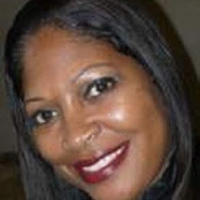
Tawnya Thompson, LCMHC
North Carolina · 25 years in practice
Tawnya Thompson is a Licensed Clinical Mental Health Counselor (LCMHC) in North Carolina with 25 years of experience.
License and registration
- LCMHC, North Carolina
- 5045 · expires June 2027
- NPI
- 1215086525 · national provider identifier
- Years in practice
- 25
- Languages
- English
Details are as listed on the therapist's public professional profile. You can check the license with the issuing state board, and the NPI with the national registry.
About Tawnya
Tawnya Thompson is a Licensed Clinical Mental Health Counselor (LCMHC) in North Carolina with 25 years of experience. She helps people facing stress, anxiety, relationship strain, depression, addiction, and major life changes. Her approach is practical and straightforward, aimed at helping people regain balance and clarity.
She draws on many years working across settings such as substance abuse treatment, crisis services, domestic violence support, and youth corrections. Those experiences shaped how she listens and responds in one-on-one sessions.
Background and approach
Tawnya focuses most often on individual counseling and tailors each conversation to the person in front of her. Her style blends client-centered care with problem-solving techniques. She pays attention to how clients view themselves and the world.
That helps identify beliefs and habits that get in the way of progress. She also uses tools from cognitive behavioral approaches and emotionally-focused methods to help people manage emotions and change unhelpful thinking. Sessions aim to build real coping skills for day-to-day stress and for longer-term patterns like addiction or relationship conflict.
Tawnya emphasizes practical steps people can try between sessions. She helps clients test small changes, notice results, and adjust plans. Her goal is to help people find clearer purpose and better ways to move forward.
Focus areas and approaches
Everything Tawnya lists on their public professional profile, in their own terms.
- Stress, Anxiety
- Relationship issues
- Depression
- Coping with life changes
- Addictions
- Commitment issues
- Communication problems
- Control issues
- Drug and alcohol addiction
- Family problems
- Forgiveness
- Jealousy
- Life purpose
- Men's issues
- Veteran and Armed Forces Issues
- Mood disorders
- Prejudice and discrimination
- Women's issues
- Workplace issues
- Young adult issues
Approaches Tawnya names
- Emotionally-Focused Therapy (EFT)
- Client-Centered Therapy
- Cognitive Behavioral Therapy (CBT)
- Existential Therapy
- Solution-Focused Therapy
Naming an approach is not evidence of training in it. This directory copies what each therapist lists and does not check training records.
Online support
Approaches that guide online sessions
Emotionally-Focused Therapy helps people identify and work with strong feelings that affect relationships and decision making. It focuses on naming emotions, understanding patterns, and creating new ways of connecting or responding when feelings run high.Client-Centered Therapy emphasizes a respectful, nonjudgmental stance. The therapist listens closely and follows the person’s lead, helping them explore values, goals, and what matters most in their life.
Cognitive Behavioral Therapy focuses on noticing thoughts and behaviors that keep problems going. It uses practical exercises and experiments to shift thinking and build skills for managing anxiety, low mood, addiction triggers, and workplace stress.
Finding the right approach is part of the work. The therapist will talk with the client about goals, preferences, and what feels most useful. Together they pick methods and try them for a few sessions, adjusting based on how well the work fits the client’s needs.
Online therapy offers flexibility for people with busy schedules or who live far from providers. Video calls make it possible to have fuller conversations face to face. Phone sessions can be easier when bandwidth is limited or a shorter check-in is needed. Live chat and text-based messaging let clients send updates, try brief coping plans, and keep momentum between sessions. These options make it simpler to practice new skills and stay connected to care.
We will earn a commission if you sign up through our link, at no cost to you. It does not change what you pay or the order of the listings.
Questions people ask
What concerns does she help with?
She supports people dealing with stress, anxiety, relationship difficulties, depression, addictions, and coping with life changes.
What is her therapy style like?
Her style is practical and client-centered, focusing on how a person sees themselves and their world while working toward realistic changes.
How much experience does she have?
She has 25 years of experience working in a range of clinical settings, including substance abuse treatment and crisis services.
What credentials and where is she licensed?
She holds an LCMHC credential and practices in North Carolina as an NC LCMHC.
Which languages and international clients are supported?
Sessions are offered in English and she accepts international clients.
What session formats are available?
Sessions can be held via video calls, phone sessions, live chat, or text-based messaging.
How are costs handled?
Cost varies with location and therapist availability; sessions use a subscription that can be canceled at any time.
How do I begin working with her?
Choose the Start Therapy button, complete a short matching questionnaire, and schedule sessions according to therapist availability.
More therapists in North Carolina
See allDr. James Hunter Jr
LCMHC
Calm, practical guidance for life's hard moments
- Stress, Anxiety
- Depression
- Relationship
Madeline Cohen
LCMHC
Compassionate therapist for life's hard moments
- Stress, Anxiety
- Trauma and abuse
- Parenting

James Dion
LCMHC
Practical, emotion-focused support for real life
- Stress, Anxiety
- Family
- Trauma and abuse
Is this your profile?
Ask us to correct details or take the page down.
Contact us