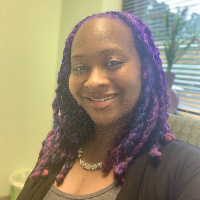
Dr. James Hunter Jr
LCMHC
Calm, practical guidance for life's hard moments
- Stress, Anxiety
- Depression
- Relationship
North Carolina 19 years in practice
Clinical social work directory
136 therapists in this directory hold a licence issued in North Carolina and name systemic therapy among their approaches. Sessions are online; a US therapist can usually only see people in a state where they hold a licence, so check the credentials panel on each profile.
Welcome to our directory of online therapists serving North Carolina. All therapists listed hold a North Carolina license - explore profiles to learn about their approaches, credentials, languages and focus areas.
LCMHC
Calm, practical guidance for life's hard moments
LCMHC
Compassionate therapist for life's hard moments
LCMHC
Practical, emotion-focused support for real life
LCSW
Compassionate, practical therapy focused on emotions
LCMHC
Compassionate, practical counseling for life challenges
LCSW
Therapist focused on emotional connection
LCMHC
Compassionate counseling grounded in real life
LCMHC
Compassionate counselor focused on emotional connection
LCMHC
Compassionate, practical therapy for emotional change
LMFT
Relationship-focused therapist who emphasizes emotional repair
LMFT
Compassionate focus on feelings and relationships
LCMHC
Compassionate clinical counselor with practical tools
LCSW
Practical, emotion-focused therapy for everyday life
LCMHC, LPC
Compassionate emotional focus with practical tools
LCMHC
Compassionate counselor focused on emotional change
LCSW, LISW-CP
Compassionate therapist focused on emotional connection
LCSW
Compassionate LCSW helping people find direction
LCSW
Emotion-focused therapist blending emotional and practical work
LCSW
Calm, practical therapy focused on emotions
LCSW
Compassionate therapist focusing on emotions and change
LCSW
Compassionate, practical support for emotional healing
MD, LCSW-C, LCSW
Practical emotional work with clear steps
LPCC, LPC
Skilled counselor focused on connection and coping
LMHC, LCMHC
Compassionate, practical support for life challenges
LCMHC
Hopeful, practical counseling for everyday struggles
LCMHC
Compassionate Emotion-Focused therapy for everyday struggles
LCSW
Compassionate, emotion-focused support for adults
NC Psychologist, CA Psychologist
Calm guidance for life transitions
NC Psychologist
Compassionate psychologist focused on relationships and emotion
LCSW
Practical, relationship-focused therapy for adults and couples
LCMHC
Calm, practical support for emotional challenges
LCSW
Calm, practical support for everyday struggles
LCMHC
Experienced counselor focused on emotional healing
LCMHC
Compassionate, practical care for daily struggles
LCSW
Skilled LCSW focused on practical emotional work
LCMHC
Hopeful guidance for emotional healing
LMHC, LCMHC
Relationship-focused counselor using EFT
LCSW
Experienced LCSW offering steady, practical support
Some links on this page are partner links. We will earn a commission if you sign up through one, at no cost to you. It does not change what you pay or the order of the listings.
Online therapy in North Carolina has become an established way to receive mental health and emotional support without traveling to an office. Many licensed clinicians provide sessions by video or phone, and some list a range of therapeutic approaches and specialty areas on their profiles. If you live in North Carolina, a clinician who is licensed in the state is the appropriate choice for teletherapy, because state licensing determines the legal framework for care. You will find therapists with different credentials, such as licensed professional counselors, licensed clinical social workers, and psychologists, each listing the populations and concerns they focus on. The directory helps you see those details side by side so you can match your needs to the descriptions clinicians provide.
Because practice models and technology change, the exact mix of services available to you may vary by region and clinician. For many people in North Carolina, online sessions can complement in-person care, serve as a first step when searching for support, or provide ongoing work when scheduling or distance makes visiting an office difficult. When you explore profiles, pay attention to listed approaches, languages spoken, years of experience, and the types of challenges clinicians note in their descriptions. Those elements will help you identify which clinicians describe the kind of work you are seeking.
Online therapy offers practical advantages that can fit into the rhythms of life in North Carolina. You may save time that would otherwise be spent commuting across town or between counties, and you can often connect from your home, workplace, or another location that suits you. For people living in rural areas or locations with fewer in-person options, online sessions expand the pool of professionals you can consider. Language preferences and cultural competence that matter to you may be easier to find when geography is less restrictive.
In addition to convenience, online therapy can let you choose a clinician whose approach aligns with your goals. Some clinicians list cognitive-behavioral approaches, trauma-focused methods, family systems perspectives, or mindfulness-informed work among their approaches. Descriptions often note whether clinicians focus on adolescents, adults, couples, families, or specific life transitions. You should look for those signals when deciding who to reach out to, because the right match can make sessions feel more productive from the start. Technology makes it possible to continue care across moves within the state, while staying connected to a clinician familiar with your history and needs.
Online therapists in North Carolina work with a wide range of concerns and life challenges. Many clinicians list mood difficulties such as anxiety and depression as frequent areas of focus, along with stress related to work, school, caregiving, or relationships. Trauma-related symptoms and stress responses are commonly addressed, with clinicians indicating trauma-informed perspectives or the use of specific approaches. If you are navigating grief, major life transitions, parenting challenges, or identity-related concerns, you will often find clinicians who highlight those specialties in their profiles.
Relationship dynamics, including couples and family work, are regular areas of practice as well. Therapists who list couples work may describe relational patterns and communication skills among their focus areas. Adolescents and young adults have particular developmental concerns that some clinicians emphasize, such as academic stress, social pressures, or navigating emerging independence. Many profiles also mention work with substance-related issues and behavioral changes, though the specifics of approaches and levels of care vary from clinician to clinician. Read profiles carefully to find clinicians who list the issues you want to address and who describe the kinds of interventions or perspectives that feel right to you.
Verifying a therapist's license is an important step in confirming that a clinician is authorized to practice in North Carolina. Start by locating the clinician's full name and any license designation they use on their profile. Most state licensing boards maintain online lookup tools that allow you to search by name or license number. When you view a license record, look for the current status, the license type, issue and expiration dates, and any publicly reported disciplinary actions. These records typically indicate whether the license is active and whether the clinician is registered to practice within the state.
If you have questions after reviewing the online record, you can call the licensing board directly to ask for clarification about what is reflected in the public file. Some clinicians list their license number on their profile to simplify verification; if a number is not available, use the name and professional designation. You can also confirm the professional credential listed on a clinician's profile by cross-checking the appropriate state board for psychologists, social workers, counselors, or marriage and family therapists. Taking these steps helps you make an informed decision about working with a clinician who is legally authorized to provide care in North Carolina.
Getting started with online therapy is a process you can prepare for in a few practical steps. Begin by clarifying what you hope to accomplish in therapy - whether you want short-term support for a specific problem, longer-term exploration of patterns in your life, or help managing stressors. Use the directory filters to narrow profiles by areas of focus, approaches listed, languages spoken, and professional credentials. Read several clinician bios to notice which descriptions resonate with your goals and personal preferences.
When you contact a clinician, decide which communication method you prefer for intake - email, phone, or an online contact form. Ask about session format so you know whether you will be working by video, phone, or a mix of both. Prepare for your first session by choosing a quiet, comfortable environment where interruptions are minimized and testing your device and internet connection in advance. Bring any relevant insurance information if you plan to use a health plan, or ask about fees and payment methods upfront to avoid surprises. During the initial sessions, you can discuss goals, boundaries, expected session length, and how the clinician documents progress. That conversation helps you both set a clear path forward.
Choosing a therapist is a personal decision and you should use factors that matter to you. Start with the match between the clinician's listed approaches and the type of work you want to do. If a clinician states that they use specific methods, remember that the profile reflects what they list as their approaches rather than an external verification of training. Consider credentials and years of professional experience, and note any populations or issues the clinician highlights. Language and cultural understanding can be especially important, so look for clinicians who describe experience working with your background or identity.
Think practically about scheduling, session length, and what technology works best for you, and choose clinicians whose logistical notes fit your routine. Read clinician descriptions for tonal fit - some profiles are direct and pragmatic, others are relational and reflective - and favor the tone that makes you feel comfortable. Finally, allow yourself permission to try different clinicians until you find a working relationship that feels like a good fit. It is normal for the first few sessions to be exploratory as you assess whether the clinician's approach and communication style align with your needs. Trusting your judgment about that match is an important part of engaging in therapy that is helpful for you.