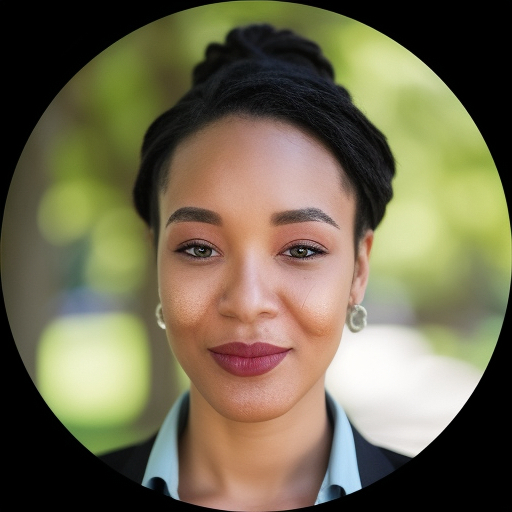
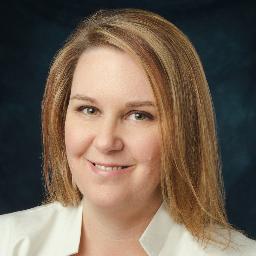
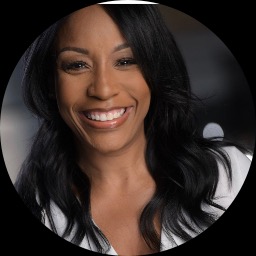
Heather Friend
LCSW, CSW
Warm, practical therapy for emotional clarity
- Stress, Anxiety
- Relationship
- Trauma and abuse
Colorado 8 years in practice
Clinical social work directory
72 therapists in this directory list Certified Social Worker (CSW). Registration details are shown as each therapist lists them; the body's own public register is the place to check a number.
A Certified Social Worker (CSW) is a licensed social work professional who has met state education and practice requirements. Browse the verified CSW therapists listed below to review credentials, approaches, languages, and specialties.
LCSW, CSW
Warm, practical therapy for emotional clarity
LCSW, CSW
Therapist focused on emotion and action
LICSW, LCSW, CSW
Compassionate care for life transitions
LISW, LCSW, CSW
Practical, compassionate support for emotional healing
LCSW, CSW
Supportive therapist for emotional and relationship struggles
LCSW, CSW
Experienced clinical social worker guiding practical change
LCSW, CSW
Practical therapy for emotional struggles
LCSW, CSW
Experienced LCSW focused on life transitions
LCSW, CSW
Practical, emotion-focused therapy for life's challenges
LCSW, CSW
Compassionate, emotion-focused support for life stressors
LMSW, LCSW, CSW
Compassionate social worker focused on relationships
LCSW, CSW
Compassionate, practical support for emotional challenges
LCSW, CSW
Compassionate therapist for trauma and anxiety
LCSW, CSW
Compassionate, practical therapy for emotional change
LCSW, CSW
Compassionate relational therapy for life's hard moments
LCSW, CSW
Understanding emotions to guide change
LCSW, CSW
Calm, practical support for emotional challenges
LCSW, CSW
Compassionate, practical support for life changes
LCSW, CSW
Compassionate LCSW using emotion-focused care
LCSW, CSW
Compassionate social worker focused on practical change
LCSW, CSW
Compassionate, practical therapy for life's challenges
LCSW, CSW
Emotion-focused therapy with practical skills
LCSW, CSW
Compassionate therapist for relationship and trauma healing
LCSW, CSW
Skilled, compassionate therapy for fear and trauma
LCSW, CSW
Therapist who combines emotion work and practical tools
LCSW, CSW
Compassionate, practical therapy for life changes
LCSW, CSW
Practical, emotion-focused therapy for life and relationships
LCSW, CSW
Expert support for grief and life transitions
LCSW, CSW
Practical, emotion-focused support for lasting change
LCSW, CSW
Compassionate, emotion-focused therapy for adults
LISW-CP, LCSW, CSW
Seasoned social worker focused on practical care
LCSW, CSW
Compassionate clinician focused on emotional healing
LPC, CSW
Experienced counselor focusing on relationships and recovery
LCSW, CSW
Experienced LCSW focusing on emotional connection
LCSW, CSW
Calm, practical support for emotional struggles
LCSW, CSW
Practical, empathetic support for everyday struggles
LCSW, CSW
Compassionate, practical support for life’s hard moments
LCSW, CSW
Practical therapy for clearer relationships and coping
LCSW, CSW
Practical emotional work with clear steps
LCSW, CSW
Therapist who blends emotion with practical skills
LCSW, CSW
Compassionate, practical support for life changes
LCSW, CSW
Healing focused on emotions and practical change
LCSW, CSW
Compassionate relational therapy with practical tools
LCSW, CSW
Warm, practical support for relationship and self work
Some links on this page are partner links. We will earn a commission if you sign up through one, at no cost to you. It does not change what you pay or the order of the listings.
When you see the initials CSW next to a therapist's name, it indicates that the clinician holds a social work credential recognized by a state board. Requirements vary across jurisdictions, but the designation typically reflects completion of an accredited social work program and fulfillment of state-mandated steps such as examinations and supervised practice. In many places, social work credentialing is tiered, so a CSW may represent a particular level within that system. The exact titles, required coursework, and supervised hours differ by state, so understanding how your state defines CSW can clarify what the credential represents for clinical work and professional responsibilities.
Social work education emphasizes a blend of theory, fieldwork, and practice skills. If you examine a CSW therapist's profile, you will often find references to degrees in social work and to practica or internships completed during their training. These elements are part of what prepares social workers to assess needs, provide supportive counseling, coordinate care with community resources, and work with individuals across the lifespan. Because the CSW credential is regulated, it signals that the therapist has met standards set by a licensing body, though the exact competencies can vary with state rules.
Depending on state rules, a CSW therapist can provide a range of services including assessment, counseling, case management, and advocacy. In some jurisdictions the CSW is an independent clinical license that allows a practitioner to offer psychotherapy without a supervising clinician. In other places the designation may be an early-career or non-clinical credential that requires additional supervision before a therapist can practice independently. Because of this variability, it helps to look at the license type alongside other profile details such as whether the therapist lists clinical work as a focus and any information about supervised practice.
There are several credentials in the mental health field that overlap in purpose but differ in requirements. Licensed clinical social work credentials often emphasize psychotherapy training and independent practice privileges, while other licenses like licensed professional counselor or marriage and family therapist arise from separate educational tracks. A CSW is rooted in social work's commitment to person-in-environment thinking, systems awareness, and connection to community resources. When comparing credential types, focus on the combination of license, experience, and listed specialties to understand how a given therapist's background aligns with your needs.
CSW therapists work across many settings including community agencies, schools, hospitals, and independent practice. You will frequently find CSW professionals who work with children and families, older adults, individuals navigating life transitions, and people experiencing stress related to work or caregiving. Social workers commonly combine clinical skills with knowledge of social systems, so a CSW may be particularly familiar with coordinating services, connecting clients with community supports, and addressing social determinants that affect well-being.
Common areas of focus for CSW therapists include relationship concerns, grief and loss, anxiety and mood-related challenges, trauma reactions, and adjustment to medical or life events. Some profiles will list specific therapeutic approaches among the methods the therapist uses; when you read those listings, remember they indicate the approaches the therapist reports using rather than an external certification. If certain approaches matter to you, look for therapists who list those approaches and describe how they apply them to the problems you want to address.
If you want to confirm a CSW credential, start with the social work licensing board for the state where the therapist practices. Most state boards maintain online license lookup tools where you can enter a name or license number to view current status, expiration dates, and any formal disciplinary actions. These public resources are the primary way to verify that a credential is active and recognized by the regulatory authority that governs social work in that jurisdiction.
When details in a profile are important to your decision, you can request a license number or the name of the licensing board to perform your own check. You may also examine the therapist's listed education and field placements to better understand their training background. In addition to board verification, professional association membership directories and university alumni resources can provide context about a clinician's educational path. For cross-state concerns or telehealth questions, consult the licensing board's guidance about practice across state lines and any endorsements or reciprocity agreements that might apply.
Choosing a CSW therapist can be advantageous if you value a strengths-based, systems-informed approach that connects clinical care with practical supports. Social work training often emphasizes culturally responsive practice, advocacy, and an orientation toward helping clients navigate complex social systems such as schools, healthcare, and community services. If your goals include not only symptom relief but also help accessing resources, coordinating care, or addressing stressors outside therapy, a CSW's skill set may align well with those priorities.
Start by identifying the issues you want to address and the characteristics that matter to you, such as clinical focus, languages spoken, cultural background, or experience with particular populations. Read therapist profiles to compare credentials, described approaches, and notes about specialties. When a profile mentions approaches you prefer, remember it indicates the therapist lists those approaches among their methods. Consider reaching out through the directory or a clinician's professional contact to ask questions about how they typically work with clients who have concerns like yours, how they approach goal-setting, and what a course of work might look like. Also review logistical details such as session format options, fees, and whether the therapist mentions working with certain insurance or payment arrangements. Finally, trust your impression of whether communication style, stated values, and professional focus feel like a good match for what you want from therapy.
Credentials like CSW provide useful information about a therapist's regulatory standing and educational background, but they are one part of the picture. Your experience in early sessions - how comfortable you feel, whether the therapist listens to your goals, and whether their approach resonates with you - is central to successful work. Use the directory to compare profiles, verify licensure through state resources, and select a few therapists whose backgrounds and described focuses align with your needs so you can reach out and learn more about how they work.
As you evaluate options, allow space for questions about treatment focus, cultural competence, and how therapy is structured. Keep in mind that requirements and titles can change across states and over time, so verification through official channels offers the most current information. With thoughtful comparison of credentials, approaches, languages, and specialties, you can make an informed choice about which CSW therapist is likely to be a good match for the goals you bring to therapy.