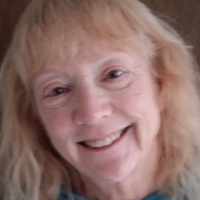
Karensa Lewis, LCSW, CSW
Colorado · 30 years in practice
Karensa Lewis is a licensed clinical social worker who practices from a practical, relational perspective.
License and registration
- LCSW, Colorado
- CSW.00991989 · expires August 2027
- NPI
- 1407907934 · national provider identifier
- Years in practice
- 30
- Languages
- English
Details are as listed on the therapist's public professional profile. You can check the license with the issuing state board, and the NPI with the national registry.
About Karensa
Karensa Lewis is a licensed clinical social worker who practices from a practical, relational perspective. She uses Emotionally-Focused Therapy alongside attachment and client-centered approaches to help people sort through relationship and life stresses. With three decades of experience, she offers steady guidance for people facing grief, trauma, depression, anxiety, and parenting concerns.
She trained in social work at SUNY for her bachelor’s degree and earned a Master of Social Work at the University of Houston.
Background and approach
She also completed a fellowship in individual counseling through Baylor College of Medicine. Those years in hospitals, hospice, residential programs, and community services shaped her hands-on approach. Over her career she has worked in inpatient and outpatient psychiatric settings, hospice care for end-of-life and loss, and programs that supported foster and adoptive parents.
She has also worked with military-related human services and has maintained a independent practice for many years. This variety informs how she sees complex life problems now. In sessions she keeps things interactive and open to feedback.
She listens for attachment patterns, emotional blocks, and thinking habits, and then helps the client test new ways of relating and coping. She focuses on concrete steps the person can try between sessions. People come to her for relationship concerns, family-of-origin issues, parenting strains, intimacy questions, career stress, ADHD, bipolar mood challenges, and compassion fatigue.
Her manner is warm, respectful, and direct, and she aims to help people move toward clearer choices and steadier relationships.
Focus areas and approaches
Everything Karensa lists on their public professional profile, in their own terms.
- Relationship issues
- Family conflicts
- Trauma and abuse
- Grief
- Depression
- Stress, Anxiety
- Intimacy-related issues
- Parenting issues
- Anger management
- Self esteem
- Career difficulties
- Bipolar disorder
- Coping with life changes
- Compassion fatigue
- ADHD
- Abandonment
- Adoption and foster care
- Aging and geriatric issues
- Attachment issues
- Blended family issues
- Caregiver issues and stress
- Codependency
- Commitment issues
- Communication problems
- Divorce and separation
- Family of origin issues
- Family problems
- Fatherhood issues
- Fertility issues
- Forgiveness
- Guilt and shame
- Hospice and end-of-life counseling
- Isolation / loneliness
- Life purpose
- Midlife crisis
- Veteran and Armed Forces Issues
- Mood disorders
- Postpartum depression
- Post-traumatic stress
- Pregnancy and childbirth
- Prejudice and discrimination
- Seasonal Affective Disorder (SAD)
- Sexual assault and abuse
- Women's issues
- Workplace issues
- Young adult issues
Approaches Karensa names
- Emotionally-Focused Therapy (EFT)
- Attachment-Based Therapy
- Client-Centered Therapy
- Cognitive Behavioral Therapy (CBT)
- Existential Therapy
- Motivational Interviewing
- Psychodynamic Therapy
- Solution-Focused Therapy
- Trauma-Focused Therapy
Naming an approach is not evidence of training in it. This directory copies what each therapist lists and does not check training records.
Online support
Emotion and Attachment Work in Online Therapy
Emotionally-Focused Therapy helps people identify and name strong feelings and the patterns that keep them stuck; it is useful when emotions drive conflict or when connection feels distant. Attachment-Based Therapy looks at how early bonds affect current relationships and helps people change patterned reactions to feel more supported. Client-Centered Therapy emphasizes listening and the client’s own goals, offering a space where a person’s experience is taken seriously and guided at their pace.Choosing the right approach is a collaborative process. The therapist listens to your concerns, priorities, and what you hope to change, then suggests approaches to try together. Sessions may shift approaches as needs evolve so the work stays practical and relevant to your goals.
Online formats include video calls, phone sessions, live chat, and text-based messaging. Video helps when visual cues and dialogue matter, phone is useful when bandwidth is limited, live chat can suit brief check-ins, and messaging supports ongoing reflection between meetings. These options make it easier to fit therapy around work, caregiving, and daily life while still working consistently on relationships and emotional issues.
We will earn a commission if you sign up through our link, at no cost to you. It does not change what you pay or the order of the listings.
Questions people ask
What kinds of concerns does she address?
She works with relationship and family issues, grief, trauma and abuse, depression, stress, anxiety, parenting, intimacy concerns, anger, self-esteem, career challenges, bipolar disorder, ADHD, and related life changes.
What is her therapeutic style like?
Her style is interactive and open to feedback. She combines emotionally-focused work, attachment ideas, client-centered listening, and cognitive-behavioral techniques to help people test new ways of relating.
How much experience does she have?
She has thirty years of experience in inpatient and outpatient psychiatric care, hospice, residential programs, community agencies, and long-term independent practice.
What credentials and location are listed?
She holds LCSW and CSW credentials and is based in Colorado.
Which languages are available for sessions?
Sessions are offered in English.
What session formats are offered online?
She offers video calls, phone sessions, live chat, and text-based messaging to accommodate different needs and schedules.
How does pricing work?
Cost varies by location and therapist availability; sessions use a subscription model that can be canceled at any time.
How do I begin working together?
Click the Start Therapy button, complete the short matching questionnaire, and then schedule a session according to therapist availability.
More therapists in Colorado
See all
Heather Friend
LCSW, CSW
Warm, practical therapy for emotional clarity
- Stress, Anxiety
- Relationship
- Trauma and abuse

Kelley Sullivan
LCSW
Compassionate therapy for emotional and relational challenges
- Stress, Anxiety
- Relationship
- Trauma and abuse

Dr. Wanetta "Nita" Hughes Bise
LPC
Steady, practical counseling in Colorado
- Relationship
- Trauma and abuse
- Parenting
Is this your profile?
Ask us to correct details or take the page down.
Contact us