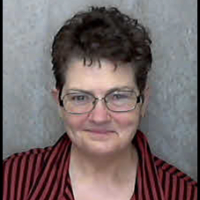
Ranka Smith
BACP
Experienced counsellor focused on emotional connection
- Stress, Anxiety
- Relationship
- Self esteem
26 years in practice
Clinical social work directory
1,460 therapists list sleeping disorders among the things they work with. All offer sessions online, and every profile shows the registering body, the membership number and when it runs to.
This page connects you with therapists who list approaches for sleeping disorders, including insomnia, circadian rhythm challenges, and sleep-related anxiety. Browse the listings below to review practitioner approaches, credentials, languages, and areas of focus.
BACP
Experienced counsellor focused on emotional connection
LCSW
Compassionate therapist focused on practical change
LPC
Compassionate, practical therapy focused on emotion and change
LCSW
Compassionate, goal-focused support for adults
BACP
Emotion-focused, practical therapy for life challenges
MD, LCSW-C, LCSW
Compassionate clinician with long-term practical experience
LPC
Warm, practical therapy for life’s hard moments
LPC
Practical, emotion-focused counseling for real life
LCSW, CSW
Warm, practical therapy for emotional clarity
AASW
Sensitive, practical support for emotional healing
NCPS
Compassionate help for emotional and relationship challenges
BACP
Compassionate counsellor helping people find purpose
LCSW
Compassionate, steady support for emotional healing
BACP
Compassionate counsellor for emotional healing
BACP
Warm, direct counselling using Emotionally-Focused Therapy
LCSW
Experienced LCSW focusing on emotion and healing
BACP
Calm, practical support for emotional struggles
BACP
Experienced person-centred counsellor for emotional and relationship issues
BACP
Calm, emotion-focused counselling for life challenges
NCPS
Compassionate integrative counsellor with wide cultural experience
LMFT
Calm guidance to understand and change emotions
LCSW
Trusted LCSW for emotional and relationship challenges
BACP
Experienced counsellor offering online emotional support
LMHC
Compassionate counselor for practical change
LCSW
Compassionate, experienced therapist for life transitions
LPC
Compassionate counselor for life transitions and emotion work
LCSW
Compassionate therapy for emotional and relational challenges
LMHC
Compassionate, practical support for emotional change
LMHC
Practical, emotion-focused therapy for adults
BACP
Collaborative counselling for relationships and life changes
BACP, NCPS
Calm, practical counselling for real-life struggles
LCSW
Compassionate, practical therapy for life challenges
AASW
Compassionate online therapy with practical tools
BACP
Compassionate counsellor for emotional clarity
LMHC
Practical skills for stronger emotional balance
LMFT
Emotion-focused, practical therapy for change
LCSW
Supportive LCSW guiding practical emotional change
BACP
Compassionate counselling for everyday challenges
BACP
Calm, practical support for emotional change
LCSW
Compassionate, emotion-focused therapy for real life
BACP
Compassionate, practical therapy for everyday struggles
Some links on this page are partner links. We will earn a commission if you sign up through one, at no cost to you. It does not change what you pay or the order of the listings.
Sleeping disorders cover a range of difficulties that affect how you fall asleep, stay asleep, or feel rested the next day. You may recognize common patterns such as trouble falling asleep, waking frequently during the night, early morning awakening, or a mismatch between the hours you sleep and the hours your life requires. Other sleep-related concerns include irregular sleep-wake schedules, unwanted behaviors during sleep, and persistent daytime sleepiness that interferes with work, study, parenting, or social life. Sleep concerns often ripple outward, changing your mood, concentration, memory, energy levels, and how you relate to others. Over time, poor sleep and emotional strain can become intertwined, making it harder to untangle the original cause of rest problems.
When you look for help, it's useful to think of sleep as an interplay between habits, biology, and thoughts or emotions. Lifestyle factors such as shift work or caregiving responsibilities can shift your internal clock. Stress, worry, and trauma can make sleep feel elusive even when your schedule allows time to rest. Medical and environmental factors may also play a role. Because of this complexity, many people benefit from a behavioral and psychological approach that addresses how you sleep, what you believe about sleep, and the emotional issues that keep you awake.
You might decide to seek therapy when sleep problems are more than an occasional bad night. If you find that sleep difficulties are regular, lasting weeks or months, or are causing daytime difficulties such as chronic tiredness, reduced concentration, mood swings, or impaired performance at work or school, talking with a therapist could help. You might notice that worry about sleep is itself preventing rest - for example, spending hours thinking about how little you slept or fearing the next night can create a cycle that keeps you awake. Likewise, if you rely increasingly on naps, alcohol, or medication to manage wakefulness and those strategies are causing new problems, a therapeutic approach can offer alternatives that focus on sustainable change.
Therapy can also be helpful when sleep troubles accompany anxiety, depression, chronic pain, grief, or trauma. If you wake with racing thoughts, nightmares, or an inability to feel restored, a clinician can work with you to explore the emotional contributors to disrupted sleep. You do not need to wait until sleep has become a crisis to seek support. Early intervention can reduce the long-term impact on your daily functioning and widen the range of helpful strategies available to you.
When you begin therapy for sleep, the first sessions typically focus on understanding the texture of your sleep problems. A therapist will ask about your sleep history, daily schedule, patterns of caffeine or medication use, nighttime routines, and how sleep affects your days. You may be invited to track your sleep using a diary or an app so that you and the clinician can observe patterns over time. Together you will set goals that reflect both how you want to sleep and how improved sleep would change your life, such as feeling less fatigued at work or more present with family.
Therapy for sleep is usually collaborative and pragmatic. Sessions may include a mixture of education about sleep physiology, behavioral experiments to reset habits, cognitive work to shift unhelpful beliefs about sleep, and training in relaxation or mindfulness techniques to reduce arousal at night. The pace and content of work depend on your priorities and whether sleep problems are recent or longstanding. Some people choose a short-term focused plan targeting immediate changes in sleep behavior. Others pursue longer-term therapy to address underlying emotional patterns or trauma that contribute to persistent sleep disturbance.
There are several approaches therapists may use to address sleep difficulties. Cognitive and behavioral methods aimed specifically at sleep - often described as cognitive behavioral therapy for insomnia or CBT-I - focus on changing habits and thoughts that maintain poor sleep. You may encounter techniques such as stimulus control, which reshapes the link between bed and sleep; sleep restriction, which limits time in bed to consolidate rest; and sleep hygiene guidance, which addresses environmental and lifestyle factors that influence sleep. When anxiety or intrusive thoughts are central, cognitive techniques that help you shift perspectives on sleep and worry can be particularly useful.
Other approaches emphasize relaxation, breathwork, and mindfulness practices to calm body and mind before sleep. If traumatic memories or vivid nightmares contribute to your wakefulness, some clinicians may include trauma-informed interventions. In those cases, you may find therapists who list EMDR among their approaches or who use trauma-focused methods alongside sleep-specific strategies. Acceptance-oriented approaches invite you to change your relationship with sleeplessness so that the struggle around sleep diminishes. Because no single method fits everyone, many therapists combine elements from different orientations, and you can look for practitioners who list CBT-I, mindfulness, acceptance and commitment therapy, or other approaches among their listed methods.
Online therapy can be an accessible way to address sleep concerns when travel, scheduling, or local options are barriers. Sessions typically take place via video or text-based messaging, allowing you to meet with a therapist from home or another comfortable setting. In online work for sleep, clinicians often integrate digital tools such as sleep diaries, worksheets, and guided relaxation recordings. These resources make it easier to track progress between sessions and to practice techniques tailored to your daily rhythm.
If you choose online therapy, consider how you want sessions to fit into your routine. Some people prefer evening appointments that accommodate their sleep-wake cycle, while others choose daytime sessions and practice techniques at night. Online work can also complement in-person medical care; if you suspect a medical condition contributes to poor sleep, you can coordinate therapeutic work with medical evaluation as needed. Licensing rules vary by jurisdiction, so therapists usually note the regions where they are permitted to practice. Profiles often list languages spoken, approaches used, and clinical interests, which can help you find a clinician whose style matches your needs.
Choosing a therapist is a personal decision that depends on the fit between your needs and a clinician's orientation, experience, and communication style. Start by thinking about what you want to achieve - immediate behavioral change, tools for managing nighttime anxiety, or deeper exploration of underlying emotional issues. Look for therapists who list approaches that align with those goals, such as CBT-I for behavioral work or mindfulness and acceptance-based methods for managing nocturnal arousal. If trauma or nightmares play a role, you may prioritize therapists who list trauma-informed approaches among their methods.
Pay attention to practical factors that will affect your experience. Consider the formats offered - video, phone, or text-based support - and whether the therapist's language and cultural attunement match your preferences. Review listed credentials and professional background while remembering that profiles report what therapists choose to share about their approaches and experience. Cost, insurance compatibility, session length, and whether a clinician works with groups or individual clients are other factors you may want to weigh. When you read practitioner profiles, think about whether the tone feels respectful and whether the clinician describes ways of working that resonate with you. Trusting your sense of safety and rapport is an important part of effective therapy.
As you browse the listings, remember that change often unfolds over weeks or months. You can look for a therapist whose described approaches align with your goals and whose profile suggests a collaborative, practical style. Therapy offers a range of tools to help you reclaim more restorative sleep and to reduce the daytime effects of poor rest. When you feel ready, use the listings below to explore clinicians who list relevant approaches and areas of focus, and reach out to begin a conversation about your sleep.