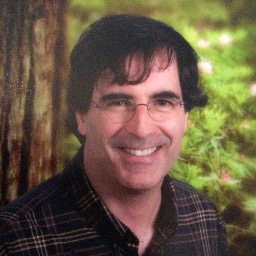
Brian Lussier, CT Psychologist
Connecticut · 36 years in practice
Brian Lussier is a Connecticut clinical psychologist with 36 years of experience helping people navigate stress, anxiety, parenting concerns, anger, depression, ADHD, and relationship challenges.
License and registration
- Psychologist, Connecticut
- 002173 · expires March 2026
- NPI
- 1194333823 · national provider identifier
- Years in practice
- 36
- Languages
- English
Details are as listed on the therapist's public professional profile. You can check the license with the issuing state board, and the NPI with the national registry.
About Brian
Brian Lussier is a Connecticut clinical psychologist with 36 years of experience helping people navigate stress, anxiety, parenting concerns, anger, depression, ADHD, and relationship challenges. He works with people facing trauma, grief, sleep problems, self-esteem struggles, career changes, and intimacy issues. He also pays attention to topics such as autism and Asperger syndrome, fatherhood issues, intellectual disability, social anxiety, and phobia.
Brian aims to listen carefully and offer steady, practical support.
Background and approach
His approach focuses on the individual’s feelings, thoughts, behaviors, and overall health. He also considers how relationships, family dynamics, work, and social pressures affect daily life. Sessions emphasize understanding, coping skills, and practical problem solving that people can use between meetings.
Brian uses methods drawn from Emotionally-Focused Therapy, Cognitive Behavioral Therapy, mindfulness, and solution-focused approaches. He looks for strengths clients may be overlooking and builds on them. He believes a bit of humor can help people shift perspective and feel relief.
He brings long experience in varied settings, including over 20 years as a certified school psychologist, which informs how he supports parents and caregivers. His work combines steady listening with encouragement and clear next steps. People can expect straightforward conversation, skill-building, and a focus on real-life changes.
Sessions are aimed at helping people better understand themselves and manage the hard moments that come up in daily life.
Focus areas and approaches
Everything Brian lists on their public professional profile, in their own terms.
- Stress, Anxiety
- Parenting issues
- Anger management
- Depression
- ADHD
- Relationship issues
- Family conflicts
- Trauma and abuse
- Grief
- Intimacy-related issues
- Sleeping disorders
- Self esteem
- Career difficulties
- Bipolar disorder
- Coping with life changes
- Autism and Asperger Syndrome
- Fatherhood issues
- Forgiveness
- Intellectual disability
- Social anxiety and phobia
Approaches Brian names
- Emotionally-Focused Therapy (EFT)
- Cognitive Behavioral Therapy (CBT)
- Mindfulness Therapy
- Solution-Focused Therapy
Naming an approach is not evidence of training in it. This directory copies what each therapist lists and does not check training records.
Online support
How therapy approaches translate to online care
Emotionally-Focused Therapy focuses on emotions and the patterns they create in relationships and personal life. Online sessions can help people identify key feelings and try different responses to reduce painful cycles. Cognitive Behavioral Therapy looks at the links between thoughts, feelings, and actions and teaches practical skills to change unhelpful patterns; it often includes short exercises to use between sessions.Finding the best approach is a collaborative process. The therapist will talk with the client about their goals, needs, and preferences and tailor methods accordingly. That means trying strategies, checking what helps, and adjusting the plan together over time.
Online formats include video calls, phone sessions, live chat, and text-based messaging, which offer flexibility for busy lives. Video allows face-to-face conversation and visual cues. Phone sessions can be easier when video is not practical or bandwidth is limited. Live chat and messaging are useful for brief check-ins, reminders, or steady support between sessions. These options make it simpler to fit therapy around work, caregiving, or travel while keeping regular contact with a licensed professional.
We will earn a commission if you sign up through our link, at no cost to you. It does not change what you pay or the order of the listings.
Questions people ask
What issues does he commonly help with?
He supports people coping with stress, anxiety, depression, anger, ADHD, trauma and abuse, grief, intimacy issues, sleep problems, self-esteem, career shifts, and bipolar challenges.
What is his therapeutic style like?
His style is listening-focused, compassionate, and practical. He combines steady support with skill-building and occasional use of humor to help change perspective.
How much experience does he have?
He has 36 years of clinical experience working in varied settings and over 20 years as a certified school psychologist.
What are his credentials and where is he based?
He practices as CT Psychologist 002173 and is located in Connecticut.
Which languages are sessions offered in?
Sessions are offered in English.
Can people from other countries work with him?
He does not accept international clients at this time.
What session formats does he use?
He offers video calls, phone sessions, live chat, and text-based messaging to fit different needs and schedules.
How are costs and scheduling handled?
Cost varies with location and therapist availability; sessions use a subscription that can be canceled at any time. To begin, select the Start Therapy button, complete a short matching questionnaire, and schedule based on therapist availability.
More therapists in Connecticut
See allJoyce Voltaire Huertas
LCSW
Compassionate Emotion-Focused support for individuals
- Stress, Anxiety
- Relationship
- Trauma and abuse

Maria Frassinelli Sierra
LCSW, LICSW
Compassionate clinical social worker in Connecticut
- Grief
- Self esteem
- Coping with life changes

Miriam Charles-Flores
LCSW
Experienced LCSW blending EFT and practical tools
- Stress, Anxiety
- Relationship
- Grief

Jacqueline Edwards
LPC
Emotion-focused counselor guiding practical change
- Stress, Anxiety
- Addictions
- Relationship

Is this your profile?
Ask us to correct details or take the page down.
Contact us