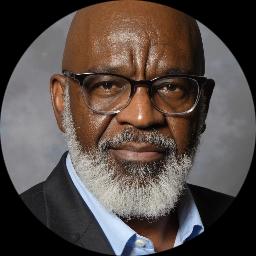
Darrell Patterson, LMHC
Florida · 9 years in practice
Darrell Patterson is a Licensed Mental Health Counselor (LMHC) with nine years of clinical experience.
License and registration
- LMHC, Florida
- MH19171 · expires March 2027
- NPI
- 1164820924 · national provider identifier
- Years in practice
- 9
- Languages
- English
Details are as listed on the therapist's public professional profile. You can check the license with the issuing state board, and the NPI with the national registry.
About Darrell
Darrell Patterson is a Licensed Mental Health Counselor (LMHC) with nine years of clinical experience. He brings a practical focus to therapy and aims to help people move past anxiety, depression, and other struggles that interfere with daily life. He emphasizes a respectful, nonjudgmental relationship where people can talk through painful memories and current stresses.
Sessions are conversational and goal-oriented, with attention to feelings and patterns that get in the way of better days.
Background and approach
Darrell combines approaches that look at emotions, attachment patterns, and thinking habits. That means addressing how emotions drive behavior, how past relationships shape present reactions, and how thoughts can be adjusted to reduce distress. He uses techniques from Emotionally-Focused Therapy, attachment-based work, client-centered methods, and cognitive behavioral ideas when they fit the situation.
His background includes a master’s degree in counseling and psychology from Palm Beach Atlantic University and earlier coursework at Florida State University. He served as a commissioned officer in the U.S. Army and later worked in business and corporate training before moving into counseling work.
In sessions he aims to help people rebuild their sense of purpose, repair strained relationships, and develop practical coping skills. He supports people through grief, trauma, parenting stress, addiction concerns, ADHD-related struggles, and life transitions. The focus is on clear steps and steady progress rather than jargon.
Focus areas and approaches
Everything Darrell lists on their public professional profile, in their own terms.
- Stress, Anxiety
- Addictions
- Relationship issues
- Family conflicts
- Depression
- Trauma and abuse
- Grief
- Parenting issues
- Anger management
- Self esteem
- Bipolar disorder
- Coping with life changes
- Compassion fatigue
- ADHD
- Abandonment
- Aging and geriatric issues
- Codependency
- Communication problems
- Control issues
- Divorce and separation
- Drug and alcohol addiction
- Family problems
- Fatherhood issues
- Forgiveness
- Impulsivity
- Infidelity
- Life purpose
- Men's issues
- Midlife crisis
- Veteran and Armed Forces Issues
- Mood disorders
- Multicultural concerns
- Prejudice and discrimination
- Process addiction (porn, exercise, gambling)
- Social anxiety and phobia
- Young adult issues
Approaches Darrell names
- Emotionally-Focused Therapy (EFT)
- Attachment-Based Therapy
- Client-Centered Therapy
- Cognitive Behavioral Therapy (CBT)
- Motivational Interviewing
- Solution-Focused Therapy
Naming an approach is not evidence of training in it. This directory copies what each therapist lists and does not check training records.
Online support
How emotion-focused and attachment work translate online
Emotionally-Focused Therapy (EFT) helps people name and work with core emotions that shape their reactions and relationships. It focuses on noticing emotion in the moment and using that awareness to change unhelpful patterns and improve connection.Attachment-Based Therapy looks at how early relationships influence current behavior and expectations. It helps people recognize repeating patterns born from attachment experiences and try new ways of relating that feel safer and more reliable.
Client-Centered Therapy centers the person's experience and preferences, giving them space to speak and guiding the pace of change. This approach is useful when someone needs acceptance, listening, and help discovering their own solutions.
Finding the right mix of approaches is part of the work. The therapist will talk with clients about goals and preferences and then use one or more methods that fit the situation. That collaborative process lets therapy shift as needs change over time.
Online sessions include video calls, phone meetings, live chat, and text-based messaging, which makes scheduling easier and lets people choose how they communicate. Video is good for in-depth conversations and noticing emotional cues, phone calls work when bandwidth is limited, and chat or text are useful for quick check-ins or continuing progress between meetings. These options help therapy fit into busy lives and varied routines.
We will earn a commission if you sign up through our link, at no cost to you. It does not change what you pay or the order of the listings.
Questions people ask
What kinds of concerns does this therapist address?
He works with stress, anxiety, depression, trauma and abuse, grief, addictions, relationship and family issues, parenting, anger, self-esteem, bipolar concerns, ADHD, and related life changes.
How would you describe the therapeutic approach and style?
The style is warm and conversational with a focus on emotions, attachment patterns, and practical thinking strategies. Sessions aim to identify feeling and behavior patterns and create small, manageable changes.
What is his professional background?
He has nine years of experience as a mental health clinician and a master’s degree in counseling and psychology from Palm Beach Atlantic University. Earlier work included service as a commissioned officer in the U.S. Army and roles in business and corporate training.
What credentials and location are listed?
He holds a Florida Licensed Mental Health Counselor credential, listed as LMHC, and is based in Florida.
Which languages are supported and are international clients accepted?
Sessions are offered in English. International clients are not currently accepted.
What session formats are available for online work?
He offers video calls, phone sessions, live chat, and text-based messaging to suit different needs and schedules.
How is cost handled for sessions?
Cost varies with location and therapist availability and uses a subscription model that can be canceled at any time.
How do I begin if I want to work with him?
Start by selecting the Start Therapy button, complete a short matching questionnaire, and then schedule sessions according to the therapist's availability.
More therapists in Florida
See all
Dedra McIntosh
LCSW
Emotion-focused care for everyday struggles
- Stress, Anxiety
- Relationship
- Trauma and abuse

Steven Carlson
LCSW
Compassionate, steady support for emotional healing
- Stress, Anxiety
- Relationship
- Family

Tomeccia Maxwell
LMHC
Calm, practical support for everyday challenges
- Stress, Anxiety
- Relationship
- Family
Is this your profile?
Ask us to correct details or take the page down.
Contact us