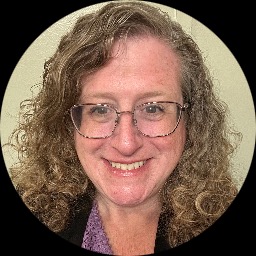
Margaret Paine, LPC, LMHC
New York · 9 years in practice
Margaret Paine is a Licensed Professional Counselor and Licensed Mental Health Counselor who helps adults facing stress, anxiety, depression, grief, trauma, anger, and related struggles.
License and registration
- LMHC, New York
- 009232 · expires November 2026
- LCMHC, North Carolina
- 21329 · expires June 2026
- LPC, South Carolina
- 10415 · expires August 2027
- NPI
- 1053703538 · national provider identifier
- Years in practice
- 9
- Languages
- English
Details are as listed on the therapist's public professional profile. You can check the license with the issuing state board, and the NPI with the national registry.
About Margaret
Margaret Paine is a Licensed Professional Counselor and Licensed Mental Health Counselor who helps adults facing stress, anxiety, depression, grief, trauma, anger, and related struggles. She focuses on building self-esteem and self-compassion so people can feel steadier and more connected to themselves. Her style is warm and straightforward, aimed at practical change rather than jargon.
Margaret uses clear, evidence-informed methods to help people notice unhelpful thinking and try new behaviors.
Background and approach
Sessions often include talking through current problems, identifying patterns, and practicing small skills to feel better between meetings. She emphasizes kindness toward oneself as part of healing. Her background includes nine years working in community mental health settings.
That work exposed her to a wide range of concerns, including caregiver stress, substance use issues, developmental disabilities, and career transitions. Those experiences shape her practical approach to everyday problems. Margaret holds a Master of Science in Clinical Mental Health Counseling and is licensed in New York as an LMHC and in South Carolina as an LPC.
She draws on several therapy styles to match what each person needs, rather than relying on one single technique. Sessions are offered through video calls, phone, live chat, and text messaging. People who choose her typically want clear steps, a compassionate listener, and help turning new insights into real-life changes.
Focus areas and approaches
Everything Margaret lists on their public professional profile, in their own terms.
- Stress, Anxiety
- Anger management
- Self esteem
- Depression
- Compassion fatigue
- Addictions
- LGBT
- Relationship issues
- Family conflicts
- Trauma and abuse
- Grief
- Eating disorders
- Parenting issues
- Career difficulties
- Bipolar disorder
- Coping with life changes
- ADHD
- Caregiver issues and stress
- Communication problems
- Forgiveness
- Guilt and shame
- Isolation / loneliness
- Life purpose
- Self-love
- Social anxiety and phobia
Approaches Margaret names
- Emotionally-Focused Therapy (EFT)
- Acceptance and Commitment Therapy (ACT)
- Client-Centered Therapy
- Cognitive Behavioral Therapy (CBT)
- Motivational Interviewing
Naming an approach is not evidence of training in it. This directory copies what each therapist lists and does not check training records.
Online support
How Margaret’s Approaches Work Online
Emotionally-Focused Therapy helps people notice and name strong feelings and the patterns that keep them stuck. It can be useful for understanding intense emotions and improving how someone relates to themselves and others. Acceptance and Commitment Therapy encourages noticing inner experiences without getting ruled by them and choosing actions that align with personal values. It can help when worries or avoidance get in the way of goals. Cognitive Behavioral Therapy focuses on the links between thoughts, feelings, and behaviors and offers practical skills to test and change unhelpful thinking.Choosing the best approach is part of the work together. Margaret will listen to what matters most to the person and then suggest methods that fit their goals and preferences. The decision is collaborative and may evolve as needs change.
Online sessions are offered by video call, phone, live chat, or text messaging to make therapy more flexible. Video calls allow face-to-face conversation and exercises that benefit from visual cues. Phone sessions use less bandwidth and can fit into a short break. Live chat and text messaging support quick check-ins, ongoing reflection, and people who prefer writing to talking. These options make it easier to keep momentum and fit therapy into a busy life.
We will earn a commission if you sign up through our link, at no cost to you. It does not change what you pay or the order of the listings.
Questions people ask
What kinds of problems does she help with?
She helps adults facing stress, anxiety, depression, anger, trauma, grief, addictions, low self-esteem, caregiver strain, relationship and communication problems, and related concerns.
What is her therapeutic style like?
Her style is warm and nonjudgmental with a focus on practical steps. Sessions combine listening with tools to change unhelpful thoughts and behaviors.
How much clinical experience does she have?
She has nine years of experience working in community mental health settings with a variety of life stages and challenges.
What licenses does she hold and where is she based?
She holds LPC in South Carolina and LMHC in New York, and she practices from New York.
Which languages are supported in sessions?
Sessions are offered in English only.
Can people outside the U.S. work with her?
International clients are not currently accepted; sessions are arranged for clients within the supported regions.
What formats are available for sessions?
She offers video calls, phone sessions, live chat, and text-based messaging to fit different needs and schedules.
How does cost and scheduling work?
Cost varies with location and therapist availability and uses a subscription that can be canceled at any time; to start, complete the matching questionnaire and schedule a session from there.
More therapists in New York
See all
JoAnn Park
LCSW
Experienced LCSW focusing on emotion and healing
- Stress, Anxiety
- Addictions
- Relationship
Tammy Piazza
LMHC
Practical skills for stronger emotional balance
- Stress, Anxiety
- Addictions
- Trauma and abuse
Rachael Figueroa
LCSW
Compassionate, emotion-focused therapy for real life
- Stress, Anxiety
- Grief
- Anger
Is this your profile?
Ask us to correct details or take the page down.
Contact us