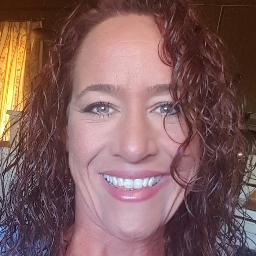
Paula Patterson, LCSW
North Carolina · 20 years in practice
Paula Patterson is a licensed clinical social worker who helps people who are feeling overwhelmed by stress, anxiety, depression, trauma, and relationship struggles.
License and registration
- LCSW, North Carolina
- C009264 · expires November 2026
- NPI
- 1740524651 · national provider identifier
- Years in practice
- 20
- Languages
- English
Details are as listed on the therapist's public professional profile. You can check the license with the issuing state board, and the NPI with the national registry.
About Paula
Paula Patterson is a licensed clinical social worker who helps people who are feeling overwhelmed by stress, anxiety, depression, trauma, and relationship struggles. She brings 20 years of experience to sessions and uses practical, down-to-earth language to guide people toward clearer thinking and steadier emotion. Paula offers a calm, patient presence and listens closely to what matters most to each person.
She focuses on reducing intrusive thoughts and compulsive behaviors, processing sexual assault and abuse, and addressing self-harm concerns with care.
Background and approach
She also supports people coping with bipolar mood shifts, addictions, grief, compassion fatigue, and parenting strain. Her approach blends Emotionally-Focused Therapy with elements of Acceptance and Commitment Therapy and cognitive behavioral techniques. Paula uses attachment-based and client-centered ideas too, tailoring methods to each person’s situation and goals.
Sessions emphasize understanding emotions, noticing patterns, and practicing new responses. Paula works with issues such as jealousy, obsessive-compulsive symptoms, personality disorder traits, seasonal affective disorder, and intimacy-related difficulties. She frames therapy as a collaborative process where clients set priorities and try concrete strategies between meetings.
Based in North Carolina, Paula conducts sessions in English and offers alternatives to in-person work. Her style is straightforward and compassionate, focused on helping people find practical ways to manage symptoms and improve relationships.
Focus areas and approaches
Everything Paula lists on their public professional profile, in their own terms.
- Stress, Anxiety
- Relationship issues
- Family conflicts
- Trauma and abuse
- Depression
- Addictions
- LGBT
- Grief
- Intimacy-related issues
- Parenting issues
- Anger management
- Self esteem
- Career difficulties
- Bipolar disorder
- Coping with life changes
- Compassion fatigue
- ADHD
- Jealousy
- Obsessions, compulsions, and OCD
- Personality disorders
- Seasonal Affective Disorder (SAD)
- Self-harm
- Sexual assault and abuse
Approaches Paula names
- Emotionally-Focused Therapy (EFT)
- Acceptance and Commitment Therapy (ACT)
- Attachment-Based Therapy
- Client-Centered Therapy
- Cognitive Behavioral Therapy (CBT)
- Dialectical Behavior Therapy (DBT)
- Mindfulness Therapy
- Motivational Interviewing
- Solution-Focused Therapy
- Trauma-Focused Therapy
Naming an approach is not evidence of training in it. This directory copies what each therapist lists and does not check training records.
Online support
How emotion-focused and behavioral approaches work online
Emotionally-Focused Therapy helps people identify and name strong emotions and then use those insights to change how they relate to themselves and others. It is often used when emotions get in the way of feeling close, calm, or safe inside relationships and personal life.Acceptance and Commitment Therapy, or ACT, teaches practical skills for accepting difficult feelings while committing to actions that match personal values. It can help with anxiety, depression, and stress by shifting focus toward meaningful behavior instead of trying to eliminate every unwanted thought. Attachment-Based Therapy looks at early patterns of connection and how they shape current relationships and reactions; it helps people notice those patterns and try new, more helpful ways of relating.
Choosing the right approach is a team effort. Paula will talk with each person about goals, past experience with therapy, and what feels most useful. She adapts methods as progress is made so work stays relevant and practical.
Online options include video calls, phone sessions, live chat, or text-based messaging. These formats make it easier to fit sessions into work or family schedules, allow shorter check-ins when needed, and offer alternatives when bandwidth or camera use is an issue. Many people find the flexibility helps them stay consistent and try tools in real life between sessions.
We will earn a commission if you sign up through our link, at no cost to you. It does not change what you pay or the order of the listings.
Questions people ask
What kinds of concerns can Paula help with?
She supports people coping with stress, anxiety, depression, trauma and abuse, relationship and intimacy issues, addictions, grief, parenting strain, bipolar mood concerns, ADHD, and related topics like jealousy and obsessive-compulsive symptoms.
How would you describe her therapeutic style?
Her style is empathetic and straightforward. She combines Emotionally-Focused Therapy with ACT, CBT, attachment-based, and client-centered approaches to help people notice feelings and try new responses.
What experience does she bring?
She has 20 years of clinical experience working with people through complex emotional and behavioral issues.
Where is Paula licensed and based?
She is a Licensed Clinical Social Worker (LCSW) licensed in North Carolina and practices from that state.
In what language are sessions provided?
Sessions are offered in English only.
Can international clients work with Paula?
International clients are not currently accepted.
What formats are available for sessions?
Therapy is available via video calls, phone sessions, live chat, or text-based messaging to fit different schedules and communication preferences.
How do sessions cost and how do I begin?
Cost varies with location and therapist availability and sessions use a subscription that can be canceled at any time. To begin, select the Start Therapy button, complete a short matching questionnaire, and schedule according to therapist availability.
More therapists in North Carolina
See allDr. James Hunter Jr
LCMHC
Calm, practical guidance for life's hard moments
- Stress, Anxiety
- Depression
- Relationship

Madeline Cohen
LCMHC
Compassionate therapist for life's hard moments
- Stress, Anxiety
- Trauma and abuse
- Parenting

James Dion
LCMHC
Practical, emotion-focused support for real life
- Stress, Anxiety
- Family
- Trauma and abuse
Is this your profile?
Ask us to correct details or take the page down.
Contact us