
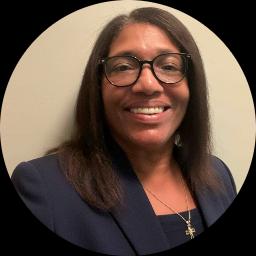
Shannon Lloyd, LPC
Mississippi · 16 years in practice
Shannon Lloyd is a Licensed Professional Counselor (LPC) based in Mississippi who helps people facing stress, anxiety, depression, grief, relationship struggles, parenting pressures, and trauma.
License and registration
- LPC, Mississippi
- 2648 · expires June 2026
- NPI
- 1568721074 · national provider identifier
- Years in practice
- 16
- Languages
- English
Details are as listed on the therapist's public professional profile. You can check the license with the issuing state board, and the NPI with the national registry.
About Shannon
Shannon Lloyd is a Licensed Professional Counselor (LPC) based in Mississippi who helps people facing stress, anxiety, depression, grief, relationship struggles, parenting pressures, and trauma. She also supports concerns such as ADHD, self-esteem issues, and identity or LGBT-related worries. Shannon writes simply and directly with a warm, empathetic presence that aims to make the first step easier for worried parents and individuals.
Shannon uses a mix of practical approaches in sessions.
Background and approach
She draws on Emotionally-Focused Therapy to look at feelings beneath difficult moments. She also uses Cognitive Behavioral Therapy to identify thinking patterns and Client-Centered Therapy to keep the client’s goals at the center. Sessions are conversational and goal-focused, with an emphasis on building strengths and finding workable steps forward.
Her practice includes attention to family of origin concerns, attachment and abandonment wounds, adoption and foster care issues, and cultural or multicultural matters. She also addresses anger, control and commitment issues, obsessive-compulsive patterns, and disruptive mood presentations such as DMDD. Shannon frames these topics in plain language so families can understand what to expect.
With 16 years of experience, Shannon has worked in a variety of counseling settings and with culturally diverse people. She aims to create a respectful, nonjudgmental space where people can be vulnerable and make steady progress. Her approach is collaborative and tailored to each person’s needs.
When someone is ready to begin, Shannon guides them toward clear, attainable goals and practical skills. She emphasizes dignity and respect while helping people move toward greater emotional balance and clearer relationships.
Focus areas and approaches
Everything Shannon lists on their public professional profile, in their own terms.
- Stress, Anxiety
- Family conflicts
- Anger management
- Depression
- ADHD
- LGBT
- Relationship issues
- Trauma and abuse
- Grief
- Parenting issues
- Self esteem
- Coping with life changes
- Abandonment
- Adoption and foster care
- Attachment issues
- Commitment issues
- Control issues
- Disruptive Mood Dysregulation Disorder (DMDD)
- Family of origin issues
- Family problems
- Forgiveness
- Isolation / loneliness
- Jealousy
- Life purpose
- Multicultural concerns
- Obsessions, compulsions, and OCD
- Prejudice and discrimination
- Women's issues
- Workplace issues
- Young adult issues
Approaches Shannon names
- Emotionally-Focused Therapy (EFT)
- Client-Centered Therapy
- Cognitive Behavioral Therapy (CBT)
- Mindfulness Therapy
- Narrative Therapy
- Psychodynamic Therapy
- Solution-Focused Therapy
- Trauma-Focused Therapy
Naming an approach is not evidence of training in it. This directory copies what each therapist lists and does not check training records.
Online support
How therapy approaches translate to online care
Shannon uses Emotionally-Focused Therapy to help people and parents notice and name the emotions that drive difficult moments, which can clarify sources of conflict and deepen understanding in relationships. She also uses Client-Centered Therapy to keep sessions focused on each person's priorities, listening closely and shaping the work around what matters most to the client. Cognitive Behavioral Therapy is used to spot unhelpful thought patterns and turn those insights into practical behavior changes that reduce distress.Choosing the right approach is part of the process. Shannon works collaboratively with clients to explore which methods fit their goals and preferences. She adapts plans over time, combining feeling-focused work, skill building, and narrative or mindfulness elements as needed to meet changing needs.
Online sessions are offered by video call, phone, live chat, or text-based messaging to provide flexibility. Video calls allow fuller face-to-face conversation, phone sessions can be easier when bandwidth or movement is an issue, live chat can offer a quick check-in, and messaging supports shorter, ongoing reflection between sessions. These options make it easier to fit counseling into busy schedules and different life situations.
We will earn a commission if you sign up through our link, at no cost to you. It does not change what you pay or the order of the listings.
Questions people ask
What kinds of concerns does Shannon address?
She works with stress, anxiety, depression, grief, trauma and abuse, relationship strain, parenting pressures, ADHD, self-esteem, and related life changes.
How would you describe her therapeutic style?
Her style is warm and empathetic with a practical focus. Sessions mix feeling-focused conversation with goal-oriented steps and skills practice.
How much clinical experience does she have?
She has 16 years of experience working in different counseling settings and with culturally diverse people.
What credentials and location information apply?
She is an LPC - Licensed Professional Counselor - and practices from Mississippi.
In which languages are sessions offered and can international clients join?
Sessions are offered in English, and international clients are accepted.
Which session formats are available?
Shannon offers video calls, phone sessions, live chat, and text-based messaging to suit different needs and schedules.
How does pricing work for sessions?
Cost varies with location and therapist availability; sessions use a subscription model that can be canceled at any time.
What are the first steps to begin working together?
Start by selecting the Start Therapy button, complete a short matching questionnaire, and then schedule sessions according to the therapist's availability.
More therapists in Mississippi
See allDr. Lashanda Baylor
LPC
Hopeful, practical therapy for real-life struggles
- Stress, Anxiety
- Anger
- Depression

Mary Griffith
LPC
Compassionate counselor for life transitions and emotion work
- Stress, Anxiety
- Relationship
- Family


Is this your profile?
Ask us to correct details or take the page down.
Contact us