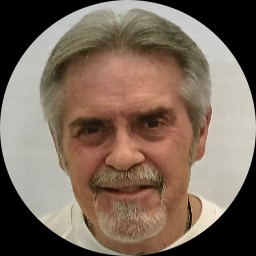
Steve Hammer, LSCSW
Kansas · 40 years in practice
Steve Hammer is a licensed clinical social worker with 40 years of experience who helps people facing stress, anxiety, depression, trauma, and bipolar concerns.
License and registration
- LSCSW, Kansas
- LSCSW 0677 · expires October 2027
- NPI
- 1477630028 · national provider identifier
- Years in practice
- 40
- Languages
- English
Details are as listed on the therapist's public professional profile. You can check the license with the issuing state board, and the NPI with the national registry.
About Steve
Steve Hammer is a licensed clinical social worker with 40 years of experience who helps people facing stress, anxiety, depression, trauma, and bipolar concerns. He meets people where they are and focuses on practical steps to ease daily struggles. His approach is calm and respectful, aimed at making talking about hard things feel more manageable.
He uses Emotionally-Focused Therapy to help people understand and shift painful emotional patterns. He also draws on client-centered methods to keep sessions focused on each person's priorities.
Background and approach
Cognitive Behavioral Therapy tools are used when helpful to change unhelpful thoughts and behaviors. Steve adapts conversations and plans to fit what each person needs. That might mean short-term problem solving, learning skills for managing intense feelings, or looking deeper at how relationships affect well-being.
Sessions emphasize clear goals and small, doable changes. Over four decades of practice, he has worked with many concerns related to family strain, relationship conflict, and life transitions. Additional focus areas include codependency, communication problems, divorce and separation, fatherhood issues, and obsessive-compulsive patterns.
Steve practices in Kansas and offers sessions in English. He aims to create a space where people can feel heard, try new ways of coping, and build a clearer sense of direction in their lives.
Focus areas and approaches
Everything Steve lists on their public professional profile, in their own terms.
- Stress, Anxiety
- Family conflicts
- Trauma and abuse
- Bipolar disorder
- Depression
- Blended family issues
- Codependency
- Communication problems
- Control issues
- Dissociation
- Divorce and separation
- Fatherhood issues
- Forgiveness
- Guilt and shame
- Infidelity
- Isolation / loneliness
- Jealousy
- Life purpose
- Veteran and Armed Forces Issues
- Obsessions, compulsions, and OCD
- Panic disorder and panic attacks
- Personality disorders
- Post-traumatic stress
- Seasonal Affective Disorder (SAD)
- Self-harm
- Self-love
- Sex addiction
- Sexual dysfunction
- Social anxiety and phobia
- Young adult issues
Approaches Steve names
- Emotionally-Focused Therapy (EFT)
- Client-Centered Therapy
- Cognitive Behavioral Therapy (CBT)
- Dialectical Behavior Therapy (DBT)
- Solution-Focused Therapy
- Trauma-Focused Therapy
- Internal Family Systems
Naming an approach is not evidence of training in it. This directory copies what each therapist lists and does not check training records.
Online support
Approaches that guide online sessions
Steve often blends Emotionally-Focused Therapy with client-centered work to help people understand their emotional patterns and feel heard. EFT focuses on identifying and shifting emotional responses that keep people stuck, which can be useful for relationship distress, grief, and deep-seated anxiety. Client-centered therapy keeps the conversation built around each person's priorities, emphasizing empathy and collaboration.He also brings Cognitive Behavioral Therapy into online work when it helps to change unhelpful thoughts and behaviors. CBT provides straightforward exercises and thought records that translate well to video or messaging formats and can help with anxiety, depression, and OCD symptoms. The therapist will work together with clients to decide which approach fits best based on goals and what feels most comfortable.
Online sessions are available as video calls, phone sessions, live chat, or text-based messaging to match different needs. Video calls are useful for conversations that benefit from face-to-face interaction. Phone sessions can be easier when bandwidth is limited or a short check-in is needed. Live chat and text messaging support quicker check-ins, skill practice, or ongoing reflection between longer sessions. These options aim to make therapy more flexible and easier to fit into daily life.
We will earn a commission if you sign up through our link, at no cost to you. It does not change what you pay or the order of the listings.
Questions people ask
What concerns does Steve commonly address?
He helps people with stress, anxiety, depression, trauma and abuse, and bipolar-related concerns, plus issues like family conflict, communication problems, and obsessive or compulsive behaviors.
How would you describe his therapeutic style?
Sessions are respectful and person-centered, combining emotionally-focused work with practical tools from CBT and DBT when useful to manage feelings and behaviors.
What kind of experience does he bring?
He has 40 years of professional experience working with a wide range of emotional and relationship difficulties.
What are his credentials and where is he located?
He holds the KS LSCSW credential and practices in Kansas.
Which languages are sessions offered in?
Sessions are offered in English.
Can he work with international clients?
International clients are not currently accepted.
What session formats are available online?
He offers video calls, phone sessions, live chat, and text-based messaging to fit different schedules and communication preferences.
How does cost and scheduling work?
Cost varies with location and therapist availability; sessions use a subscription that can be canceled at any time and scheduling follows the platform process.
More therapists in Kansas
See allTinna Palmer
LSCSW
Practical support for stress and life changes
- Stress, Anxiety
- Addictions
- Trauma and abuse

Kris Rice
LSCSW
Compassionate, emotion-focused social worker
- Stress, Anxiety
- Relationship
- Trauma and abuse

Brenda Hanson
LSCSW, LISW
Compassionate support for emotional healing
- Stress, Anxiety
- Trauma and abuse
- Grief
Is this your profile?
Ask us to correct details or take the page down.
Contact us