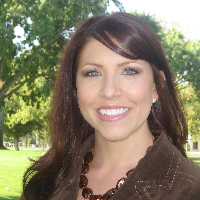
Rachel Thornburg
LPC
Compassionate, practical therapy for emotional challenges
- Stress, Anxiety
- Addictions
- Relationship
Idaho 5 years in practice
Clinical social work directory
25 therapists in this directory hold a licence issued in Idaho and name systemic therapy among their approaches. Sessions are online; a US therapist can usually only see people in a state where they hold a licence, so check the credentials panel on each profile.
Welcome to our Idaho directory for licensed online therapists. All therapists listed here hold state licensure and describe their approaches and areas of focus for your review.
Browse profiles to learn about specialties, languages, and practice styles to help you begin your search for the right fit.
LPC
Compassionate, practical therapy for emotional challenges
LPC, LCPC
Calm, practical therapy for overwhelmed adults
LCSW
Compassionate, practical therapy for everyday struggles
LMHC, LCPC
Compassionate, experienced support for everyday struggles
LCSW
Compassionate therapist focused on emotion and skills
LMFT
Experienced therapist focused on relationships and emotion
LMFT
Calm, practical therapy for life's big stresses
LPC
Hope-focused counselor for emotional healing
LPC
Calm, practical support for relationships and life changes
LPC
Calm guidance for meaningful emotional change
LMFT
Warm, practical therapist for relationship and trauma concerns
LPC
Calm, practical therapy for emotional and relationship struggles
LPC
Practical, calm counseling for life’s challenges
LCPC
Restoring emotional connection and regulation
LCPC
Therapist who focuses on emotion and change
LPC
Compassionate, direct counseling for lasting change
LCPC
Experienced counselor focused on connection and practical skills
LCSW
Practical, emotion-focused therapy for life changes
LPC
Warm, practical counseling for emotional struggles
LCSW
Compassionate, experienced social worker
Some links on this page are partner links. We will earn a commission if you sign up through one, at no cost to you. It does not change what you pay or the order of the listings.
Online therapy in Idaho has become a widely used way for residents to access mental health support across urban and rural communities. You can expect to find clinicians who work with adults, adolescents and couples from many parts of the state, offering remote sessions by video or phone. These clinicians represent different licensed professions - psychologists, professional counselors, marriage and family therapists and clinical social workers among them - and they list a variety of therapeutic approaches on their profiles. Because each clinician practices under Idaho licensing rules, the directory lists only licensed practitioners so you can focus on matching services rather than verifying credentials initially. Telehealth regulations and insurance policies continue to evolve, so the way sessions are delivered and reimbursed can vary. For many Idaho residents, the ability to connect with a therapist over distance has expanded choices beyond local offices, while still operating within the state regulatory framework.
When you choose online therapy in Idaho, you often gain greater flexibility in scheduling and can reduce travel time, which matters particularly in rural counties where the nearest in-person clinician may be far away. Remote sessions let you meet with someone who lists approaches and experience that align with your needs, even if they are located across the state. Online therapy also allows you to remain in your familiar environment, which can make it easier to apply new skills between sessions in your everyday life. For some people, the reduced time commitment of not commuting helps sustain regular care. In addition, online work can make it easier to continue care after life changes such as moving within Idaho for work or school, because many licensed clinicians can provide services across different parts of the state. While online therapy may not be the best fit for every issue or every person, many find that it offers a practical and effective way to work on relationship concerns, stress management, mood symptoms and life transitions.
If you are thinking about reaching out, you should know that online therapists commonly address a wide range of concerns. Many people seek support for anxiety or persistent worry, while others seek help for depressive symptoms and difficulties with motivation or mood regulation. Relationship challenges - including communication problems, conflict, and changes in family dynamics - are frequently addressed in remote sessions, as are stressors related to work, parenting and major life transitions. Some clinicians list experience working with trauma-related responses, grief and loss, or issues related to identity and self-esteem. You can also find therapists who describe approaches aimed at improving coping skills, managing anger and building resilience after setbacks. Because therapists on this directory indicate the approaches they use, you can look for clinicians who list modalities that resonate with you, such as cognitive-behavioral approaches, somatic methods or emotionally focused work. Keep in mind that a listing of an approach reflects what a therapist reports using, and it does not serve as verification of specialized certification or specific training credentials.
When you want to confirm a clinician's license in Idaho, the process is direct and accessible. First, identify the credential you need to verify - for example, psychologist, clinical social worker, professional counselor or marriage and family therapist. Each license type is overseen by the appropriate Idaho state board. Visit the relevant board's website and use their license lookup tool to search by the clinician's full name or license number if the clinician provides it. The lookup will typically show the license status, date of issuance and expiration, and whether there are any disciplinary actions on record. If the online tool is unclear, you can contact the board by phone or email for assistance. You may also ask the therapist for their license number and the exact name under which their license is issued so you can check the board listing yourself. Keeping a record of the license details you verify can give you added confidence in the administrative aspects of your care. Remember that licensing boards can provide objective information about a practitioner's legal standing, but they do not evaluate how well you will match with a particular therapist on a personal level.
Starting with an online therapist in Idaho usually begins with looking through profiles and narrowing your options based on what matters most to you - therapeutic approaches the clinician lists, specialties, language ability and professional credentials. Once you find a few profiles that match your priorities, reach out using the contact method provided in the listing to request an initial conversation. Many therapists offer a brief introductory call so you can get a sense of their style and ask practical questions about session format, fees and any paperwork. Before a first full session, you may be asked to complete intake forms that cover your background, current concerns and goals for therapy. It is reasonable to inquire about the therapist's experience with issues similar to yours and about how they typically structure sessions. If you have health insurance, check with your insurer about coverage for teletherapy with a licensed Idaho clinician and whether any preauthorization is required. When you begin sessions, choose a quiet room with minimal distractions and a reliable internet connection or phone line so you can focus fully on the work.
Choosing a therapist is a personal process that benefits from both practical checks and attention to fit. Think about whether you prefer a clinician who emphasizes certain approaches that you have read about, or whether you want someone who has listed experience working with your core concern. Consider the therapist's professional credentials and the types of clients they describe serving, as well as any languages they list. Pay attention to the tone and clarity of the therapist's profile - clear communication about methods and expectations can indicate how they structure sessions. When you speak with a clinician for the first time, notice whether their style feels respectful and attuned to your needs, and whether they welcome your questions about process and goals. Give yourself permission to meet with more than one clinician if you need to, because the relationship you build is a key part of the therapeutic work. Finally, evaluate practical matters such as session length, fee structure and whether the clinician uses video, phone or both, and choose the combination that best supports your ability to participate consistently. Taking these steps can help you find a therapist whose approach and demeanor match your expectations and who you feel comfortable working with over time.
As you explore online therapists in Idaho, remember that the directory is a starting point to help you compare specialties, approaches and professional credentials. Use the information you find to ask informed questions and to verify licensure through state boards. With thoughtful searching and an initial conversation or two, you can identify a clinician whose approach aligns with your needs and begin a therapeutic partnership that supports the changes you want to make.