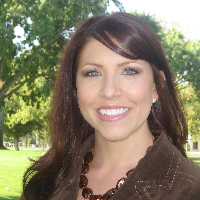
Marissa Shennan, LMFT
California · 3 years in practice
Marissa Shennan is a licensed marriage and family therapist who helps people manage stress, anxiety, depression, grief, relationship problems, trauma and addictions.
License and registration
- LMFT, California
- 94199 · expires August 2027
- LMFT, Idaho
- LMFT-8351 · expires August 2026
- NPI
- 1952857435 · national provider identifier
- Years in practice
- 3
- Languages
- English
Details are as listed on the therapist's public professional profile. You can check the license with the issuing state board, and the NPI with the national registry.
About Marissa
Marissa Shennan is a licensed marriage and family therapist who helps people manage stress, anxiety, depression, grief, relationship problems, trauma and addictions. She works with common life transitions and challenges like parenting strain, intimacy concerns, anger, low self-esteem, and coping after loss. Marissa practices from Idaho and holds the LMFT credential.
Marissa describes therapy as a collaborative process. She uses straightforward language and a calm, empathetic manner to help people set clear goals.
Background and approach
Sessions focus on practical steps along with conversations that clarify feelings and patterns. Her background includes approaches that attend to emotions and attachment. She draws from Emotionally-Focused Therapy to look at how emotions shape connections and distress.
She also uses client-centered listening and cognitive behavioral techniques to help people shift thoughts and behaviors that cause pain. Marissa has three years of clinical experience as an LMFT in Idaho. She has worked with trauma and attachment concerns and includes EMDR among the tools she may use when appropriate.
Her work often addresses issues such as abandonment, codependency, communication problems, and family of origin patterns. In sessions she blends talk-based work with skill building. People can expect to practice new ways of responding to strong emotions, try concrete coping strategies, and revise relationship habits.
The aim is steady, manageable change tailored to each person’s goals.
Focus areas and approaches
Everything Marissa lists on their public professional profile, in their own terms.
- Stress, Anxiety
- Relationship issues
- Trauma and abuse
- Depression
- Coping with life changes
- Addictions
- Grief
- Intimacy-related issues
- Parenting issues
- Anger management
- Self esteem
- Abandonment
- Attachment issues
- Co-morbidity
- Codependency
- Communication problems
- Control issues
- Disruptive Mood Dysregulation Disorder (DMDD)
- Domestic violence
- Family of origin issues
- Family problems
- Forgiveness
- Guilt and shame
- Impulsivity
- Isolation / loneliness
- Life purpose
- Veteran and Armed Forces Issues
- Mood disorders
- Panic disorder and panic attacks
- Post-traumatic stress
- Sexual assault and abuse
- Somatization
- Women's issues
Approaches Marissa names
- Emotionally-Focused Therapy (EFT)
- Attachment-Based Therapy
- Client-Centered Therapy
- Cognitive Behavioral Therapy (CBT)
- Eye Movement Desensitization and Reprocessing (EMDR)
- Mindfulness Therapy
- Solution-Focused Therapy
- Somatic Therapy
- Trauma-Focused Therapy
Naming an approach is not evidence of training in it. This directory copies what each therapist lists and does not check training records.
Online support
Emotion and Attachment Work Online
Marissa commonly incorporates Emotionally-Focused Therapy to help people identify and work with strong emotions that fuel relationship and personal distress. EFT focuses on recognizing patterns in feeling and connecting those feelings to what a person needs, which can help with intimacy struggles and recurring conflict.She also draws on Attachment-Based Therapy to look at early patterns that shape how people relate today. This approach helps uncover why certain situations trigger intense reactions and supports building new, more supported ways of relating. Client-Centered Therapy informs her style as well, offering a listening, nonjudgmental space where the person leads the pace and priorities of work.
Finding the right approach is a team effort. The therapist will discuss goals and preferences and try methods that fit the person's needs. Together they decide whether to focus more on emotion processing, attachment patterns, or practical cognitive and behavioral strategies.
Online sessions are offered by video call, phone, live chat, or text-based messaging to fit different schedules and needs. Video calls are useful for face-to-face conversation and visual cues. Phone sessions can be easier when bandwidth is limited or a quicker check-in is needed. Text and chat work well for shorter updates, between-session support, or when typing feels more comfortable. These options make it easier to attend sessions from work, home, or while traveling and let people choose what suits their routine and energy best.
We will earn a commission if you sign up through our link, at no cost to you. It does not change what you pay or the order of the listings.
Questions people ask
What concerns does this therapist help with?
She supports people facing stress, anxiety, depression, relationship and intimacy issues, trauma and abuse, addictions, grief, parenting strain, anger, and self-esteem problems.
How would you describe the therapy style?
She uses a collaborative, straightforward style with active listening and practical steps to reach clear goals.
What is her professional background?
She is a licensed marriage and family therapist with three years of clinical experience working in Idaho.
Which credentials and location are listed?
She is an LMFT licensed in Idaho and practices from Idaho.
Can sessions be held in other languages or internationally?
Sessions are offered in English and international clients are not currently accepted.
What session formats are available?
Sessions can be done by video call, phone, live chat, or text-based messaging.
How is cost handled for sessions?
Cost varies with location and therapist availability; sessions use a subscription that can be canceled at any time.
What are the first steps to begin working together?
Start by selecting the Start Therapy button, complete a short matching questionnaire, and schedule a time according to the therapist's availability.
More therapists in Idaho
See allRachel Thornburg
LPC
Compassionate, practical therapy for emotional challenges
- Stress, Anxiety
- Addictions
- Relationship

Patrick Argiro
LPC, LCPC
Calm, practical therapy for overwhelmed adults
- Stress, Anxiety
- Trauma and abuse
- Anger

Matthew Christensen
LCSW
Compassionate, practical therapy for everyday struggles
- Stress, Anxiety
- Addictions
- Trauma and abuse

Dr. Skytina Felder-Jones
LMHC, LCPC
Compassionate, experienced support for everyday struggles
- Addictions
- Relationship
- Trauma and abuse

Is this your profile?
Ask us to correct details or take the page down.
Contact us