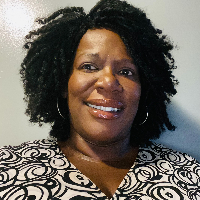
Sabrina Sahle
MD, LCSW-C
Compassionate therapist for emotional healing
- Stress, Anxiety
- Relationship
- Family
Maryland 13 years in practice
Clinical social work directory
33 therapists in this directory hold a licence issued in Maryland and name systemic therapy among their approaches. Sessions are online; a US therapist can usually only see people in a state where they hold a licence, so check the credentials panel on each profile.
Welcome to our directory of online therapists serving Maryland. All therapists listed here are licensed; explore individual profiles to review approaches, credentials, languages and areas of focus.
MD, LCSW-C
Compassionate therapist for emotional healing
MD, LCSW-C, LCSW
Practical therapy rooted in emotional insight
MD, LCSW-C
Compassionate therapist focused on emotional healing
MD, LCPC
Grounded counselor helping people navigate life changes
MD, LCSW-C, LCSW
Calm, practical therapy for emotional challenges
MD, LCSW-C
Relationship-focused therapist who values practical change
MD, LCPC
Warm, practical therapy focused on change
MD, LCSW-C, LCSW
Empowering change through focused, practical therapy
MD, LCSW-C
Compassionate practical therapy for life challenges
MD, LCPC
Compassionate, practical mental health care
LICSW, MD, LCSW-C
Compassionate clinician focused on emotional healing
MD, LCPC, LPC
Compassionate therapist focusing on emotions and coping
MD, LCPC
Compassionate, practical support for everyday challenges
MD, LCPC
Experienced client-centered counselor
MD, LCPC
Compassionate counselor focused on emotional connection
MD, LCPC, LMHC
Calm, practical support for emotional struggles
MD, LCSW-C, LCSW
Compassionate listener helping people heal and connect
MD, LCPC
Compassionate clinician focused on emotions and change
MD, LCPC
Compassionate therapist focusing on emotional connection
MD, LCSW-C
Experienced therapist focused on emotions and coping
LPC, MD, LCPC
Compassionate therapist helping people make meaningful changes
MD, LCMFT
Support for emotional healing and practical change
MD, LCPC
Compassionate support for relationship and trauma concerns
LISW, MD, LCSW-C
Support for stress, trauma, and mood struggles
MD, LCSW-C
Compassionate, direct therapy for real change
MD
Calm, practical therapy focused on emotion and attachment
MD, LCSW-C
Experienced clinician focused on emotional healing
MD, LCPC
Compassionate, practical therapy for life’s hard moments
LICSW, MD, LCSW-C
Calm, practical therapy for stress and relationships
Some links on this page are partner links. We will earn a commission if you sign up through one, at no cost to you. It does not change what you pay or the order of the listings.
If you live in Maryland and are considering online therapy, you will find a range of licensed clinicians offering remote appointments by video, phone and text-based messaging. Laws and regulations for providing therapy across state lines vary, so when you select a clinician who will work with you while you are physically in Maryland, that clinician should be licensed to practice in Maryland or authorized by the state board to provide services to Maryland residents. Online care can be delivered in formats that fit different schedules and needs - from longer weekly sessions to brief check-ins - and many clinicians describe the kinds of technology they use in their profile so you know whether they conduct sessions over standard video platforms or use messaging tools for between-session support. When you review listings, pay attention to the stated license type and the professional credentials the clinician lists so you understand their background and scope of practice.
Online therapy can reduce common barriers that keep people from getting support. If you live in a rural county, commuting to an office can add time and expense; remote sessions eliminate travel time and make it easier to fit therapy into a busy day. Online care also expands your options when you want to work with someone who speaks your preferred language or focuses on a particular life experience, because geography is less of a constraint. You may find it easier to attend appointments when you can log in from home or from a workplace break room, and this flexibility can help you maintain consistency in care. For people with mobility limitations, caregiving responsibilities, or unpredictable schedules, online therapy often makes it simpler to keep up with treatment over weeks and months.
There are practical benefits as well. Many therapists describe their session format, technology needs and fee structure in their profiles, so you can identify clinicians who match your preferences before you make contact. To get the most from remote sessions, plan a comfortable, interruption-free setting such as a quiet space at home or another location where you can speak without distraction. Consider testing your device and internet connection ahead of time so sessions start smoothly and you can focus on the work of therapy rather than technical issues.
Maryland clinicians who offer online services commonly address a wide range of emotional and behavioral concerns. Many people seek help for mood concerns like anxiety and depression, for stress related to work or family, and for relationship difficulties including couples work and communication challenges. Life transitions such as relocation, job change, retirement or parenting adjustments are frequent reasons to reach out, and clinicians also work with individuals coping with grief, chronic illness, or the emotional impact of major medical events.
Some therapists list trauma-focused approaches among their offerings and provide care for people processing past distressing experiences. Others note experience working with issues that affect specific groups, such as adolescents, older adults, expectant and new parents, or LGBTQ+ communities. If you are dealing with substance use, addictive behaviors, or eating concerns you can find clinicians who describe that focus in their profiles. When you look at listings, you will also see clinicians who list approaches such as cognitive behavioral methods, mindfulness-based strategies, family systems perspectives, or EMDR among their approaches - remember that a listing indicates an approach the clinician uses, and you may want to ask about how they apply that approach to the issues you bring.
Verifying a clinician's license is an important step when you are choosing an online therapist. Maryland licenses several categories of behavioral health professionals, each with different scope of practice and titles. You can check the licensing status by visiting the Maryland licensing board's public lookup tool and entering the clinician's name or license number. The public profile typically shows the license type, expiration date, and whether there are any disciplinary actions or restrictions on the license. Reviewing this information helps you confirm that the clinician is authorized to practice in Maryland and informs your understanding of their formal credentials.
Beyond the license lookup, review the clinician's listed degrees and professional affiliations to learn about their educational background and membership in professional organizations. If licensure terminology is unfamiliar, look for explanations of abbreviations such as LPC, LCSW, LMFT, PsyD or PhD in the directory profiles or on the licensing board website. When you read a profile, note whether the clinician lists languages spoken, years of experience, and areas of focus so you can match those details to your needs. If anything in a profile is unclear, you can ask the clinician directly for clarification about their license type and practice scope before beginning sessions.
Beginning therapy online usually starts with reviewing clinician profiles to identify several professionals whose listed approaches, credentials and focus areas align with your needs. Once you find a few profiles that resonate, reach out using the contact method provided in their listing to ask about how they structure remote sessions and what to expect for an initial conversation. Many clinicians offer a brief introductory phone call or message exchange that lets you describe your goals and ask basic questions about their approach, fees and any paperwork or intake forms that are required. Before your first session, make sure you have a reliable device and a plan for a quiet space where you can speak openly. You may want to write down key topics you want to address so the first appointment can focus on establishing goals and a plan for the weeks ahead.
Choosing a therapist involves both practical considerations and how you feel about the clinician's style. Start by comparing the types of approaches clinicians list and consider how those methods match the challenges you bring. For example, you may prefer a clinician who lists cognitive behavioral techniques if you want structured skill-building, or someone who lists family systems approaches if your concerns involve relationship patterns. If you see modalities such as EMDR listed, remember to ask how the clinician integrates that approach into care and whether it fits your goals. Language and cultural competence can make a significant difference in the therapeutic relationship, so look for clinicians who list languages you speak or describe experience with communities like yours.
Practical details matter as well. Review each clinician's stated fees and whether they accept your insurance or offer sliding scale options. Consider the technology they use, session length, and how they handle cancellations and emergencies - these policies are often described in the profile or shared during an initial contact. Finally, trust your judgment about fit. The therapeutic relationship is one of the strongest predictors of benefit, so if a clinician's approach or tone does not feel right after a first session it is reasonable to continue exploring other profiles until you find someone with whom you feel comfortable and understood.
Online therapy in Maryland offers a flexible way to access licensed clinicians who describe a wide range of approaches and areas of focus. By checking licensure, reading profiles carefully, and preparing for a first session, you can take clear steps toward finding a clinician whose style and expertise align with your needs. Use the directory to compare credentials and approaches, and take your time to select a therapist who feels like the right match for your goals.