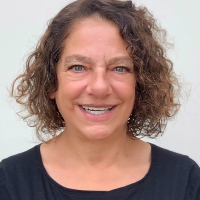
Lynn Anne Palmer
LICSW
Experienced, practical therapy focused on emotions and attachment
- Stress, Anxiety
- Relationship
- Trauma and abuse
New Hampshire 40 years in practice
Clinical social work directory
9 therapists in this directory hold a licence issued in New Hampshire and name systemic therapy among their approaches. Sessions are online; a US therapist can usually only see people in a state where they hold a licence, so check the credentials panel on each profile.
Welcome to our directory of online therapists serving New Hampshire. All therapists listed here are licensed to practice in New Hampshire. Explore profiles to learn about therapeutic approaches, focus areas and languages to find a good match.
LICSW
Experienced, practical therapy focused on emotions and attachment
LPC, LCMHC
Hopeful guidance for emotional healing
LCMHC
Therapist focused on emotion and resilience
LPC, LCMHC
Emotion-focused, practical, person-centered care
LMHC, LCMHC
Emotion-focused counselor with practical tools
LPC, LCMHC
Calm, focused therapy for emotional healing
LICSW, LCSW
Compassionate, steady support for life transitions
Some links on this page are partner links. We will earn a commission if you sign up through one, at no cost to you. It does not change what you pay or the order of the listings.
If you live in New Hampshire, you have access to a range of clinicians who provide therapy by video, phone and messaging. Online therapy has become an established option for people seeking counseling without the need to travel to an office. Within the state you will find therapists who are licensed in New Hampshire and who mention a variety of therapeutic approaches, including EFT and other modalities, in their profiles. Because licensing law governs practice across state lines, therapists who list New Hampshire as their practice location are expected to hold the appropriate license for work with residents here. The directory gathers profile details so you can review specialties, languages spoken, and the kinds of clients each therapist describes working with. This overview is intended to help you understand what to expect when you begin searching for an online therapist in the state, so you can focus on factors that matter to you rather than logistical unknowns.
Online therapy in New Hampshire can be offered from clinicians located within the state or from those outside who maintain a New Hampshire license. While the technological platform used for sessions varies by clinician, many practices use supported video and messaging tools to support ongoing care. In the directory you will see therapists who list different approaches and populations they work with, which helps you narrow down options before reaching out. The rest of this article will walk through benefits, common presenting concerns, how to verify licensure, and practical steps to get started so you feel informed as you explore profiles.
Choosing online therapy can change how you fit counseling into your life. For people in rural areas of New Hampshire, online sessions remove the need for a long drive to the nearest clinic and make it easier to maintain continuity when weather or travel would otherwise interfere. If you have a busy schedule, caregiving responsibilities or mobility limitations, virtual sessions give you more flexibility to schedule appointments at times that work for you. Online therapy also lets you connect with clinicians who list specialized approaches or who speak your preferred language even if there are few such practitioners nearby in person.
Beyond convenience, many people find that remote therapy helps them integrate treatment into daily routines without the additional time cost of commuting. You can set up a session from your home, your car before work, or another comfortable environment that supports focus and reflection. You should plan to choose a location where you feel safe and able to speak openly. When technology is working smoothly, video sessions can support meaningful therapeutic connection, and messaging or phone options can provide ongoing support between sessions. Keep in mind that as you evaluate therapists you will want to read profiles for the formats they offer and the populations they describe working with, since those details can influence how well an online approach fits your needs.
Online therapists address a wide range of concerns that residents bring to counseling. Many clinicians note experience working with anxiety, depression, relationship issues, grief, trauma-related symptoms, life transitions and stress from work or family responsibilities. Therapists who list specific approaches such as EFT among their methods often describe using those tools to help with emotional processing, relationship dynamics and somatic symptoms. Others may list cognitive-behavioral approaches when they focus on thought patterns and coping skills. Because profiles vary, you can look for clinicians who describe the particular issues you want to address and the kinds of clients they see.
People also turn to online therapy for support with parenting challenges, identity and cultural concerns, chronic illness adjustment and career-related stress. Some therapists emphasize work with couples, adolescents, older adults or particular cultural communities. The online format can be useful for early-stage support, for working through specific life events, or for ongoing therapy when you prefer virtual sessions. As you read profiles, notice how clinicians describe their approach to the presenting problem - some will frame therapy around skill-building and symptom reduction, while others emphasize relational healing or experiential work. Those distinctions can help you find a therapist whose style matches what you think will help you most.
When you find a clinician whose profile interests you, it is important to confirm licensure. Licensing assures you that the clinician holds the credential required to practice in New Hampshire. You can verify a license by visiting the New Hampshire Board of Mental Health Practitioners or the appropriate state board that oversees the type of license you see listed in the profile. The board's online license lookup lets you enter a clinician's name to confirm their licensure status, license type and any public disciplinary history. If the board does not have an online lookup, the board office can usually be contacted by phone for verification.
Profiles often include a license type such as Licensed Clinical Social Worker, Licensed Marriage and Family Therapist, Licensed Professional Counselor or psychologist. Use that designation when searching the board site. If a profile lists multiple credentials or indicates licensure in another state, you can verify each license separately. When reviewing licensure information, pay attention to the license issue and expiration dates listed by the board, and any notations about supervision requirements for certain license levels. Confirming licensure provides a layer of assurance about the clinician's standing with the state regulatory body before you proceed to initial contact.
Begin by identifying a few therapists whose profiles align with your needs. Read descriptions of their approaches and the populations they work with. If a clinician lists EFT among their approaches, that simply indicates they use that method as part of their work with clients. Some profiles also list languages spoken, which can be important if you prefer therapy in a language other than English. When you are ready to make contact, reach out through the contact method provided in the profile. In your initial message you can describe what brings you to therapy and ask about the formats they offer - video, phone or messaging - and any practical questions you have about session length and fees.
Choosing a therapist is a personal decision and it is reasonable to prioritize fit. Pay attention to the tone of the profile and whether the clinician describes working with issues similar to yours. Consider what approach feels most helpful - whether you want a therapist who emphasizes emotional processing, skills and strategies, relational work or another focus. Think about logistics such as session formats and languages offered. If you rely on insurance, review the profile for information about insurance participation or out-of-network billing options and confirm details with the clinician's administrative contact.
During your first few conversations or intake sessions you can assess how comfortable you feel talking with the clinician, how they describe their approach to your concerns, and whether their suggested plan aligns with your goals. It is normal to try more than one therapist before you find a strong match. Trust your sense of whether the clinician listens, understands your priorities and explains their approach in a way that makes sense to you. Taking these steps can help you find an online therapist in New Hampshire whose style and focus support the progress you want to make.