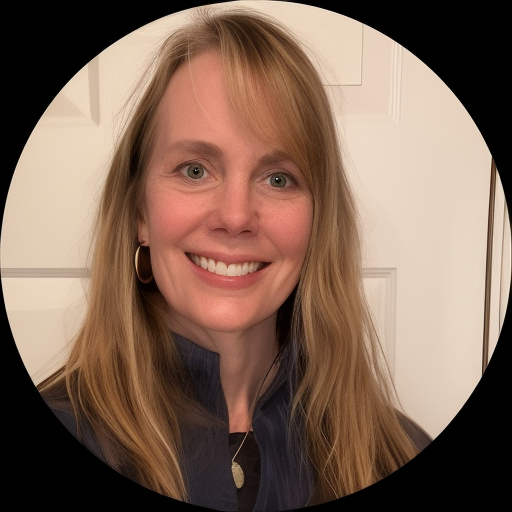
Joyce Hawkinson, LCMHC
New Hampshire · 5 years in practice
Joyce Hawkinson is a licensed clinical mental health counselor who helps people facing stress, anxiety, relationship strain, grief, and major life changes.
License and registration
- LCMHC, New Hampshire
- 4880 · expires January 2027
- NPI
- 1720899081 · national provider identifier
- Years in practice
- 5
- Languages
- English
Details are as listed on the therapist's public professional profile. You can check the license with the issuing state board, and the NPI with the national registry.
About Joyce
Joyce Hawkinson is a licensed clinical mental health counselor who helps people facing stress, anxiety, relationship strain, grief, and major life changes. She brings a calm, patient approach so clients can feel heard and steady as they sort through hard moments. She focuses on practical ways to cope and build resilience.
That includes clear tools for managing anxiety and routines that reduce daily stress. Joyce also supports people working through family problems and communication breakdowns so they can make decisions that fit their lives.
Background and approach
Her work combines Emotionally-Focused Therapy with attachment-based ideas and client-centered listening. Sessions are conversational and goal-oriented rather than full of jargon. Joyce uses simple exercises, reflection, and skill practice to help people notice patterns and try new ways of relating.
She draws on cognitive behavioral strategies and mindfulness to address unhelpful thoughts and strengthen coping skills. Those methods are used alongside narrative approaches when it helps to reframe painful experiences. The result is a flexible mix that responds to what a person most needs in the moment.
Joyce has five years of clinical experience and holds the credential LCMHC, which stands for Licensed Clinical Mental Health Counselor. She practices in New Hampshire and offers multiple remote session formats to fit different schedules and preferences.
Focus areas and approaches
Everything Joyce lists on their public professional profile, in their own terms.
- Stress, Anxiety
- Relationship issues
- Family conflicts
- Grief
- Coping with life changes
- Abandonment
- Aging and geriatric issues
- Attachment issues
- Blended family issues
- Codependency
- Communication problems
- Control issues
- Divorce and separation
- Emptiness
- Family of origin issues
- Family problems
- Fertility issues
- Forgiveness
- Guilt and shame
- Intellectual disability
- Isolation / loneliness
- Life purpose
- Midlife crisis
- Postpartum depression
- Pregnancy and childbirth
- Self-love
- Traumatic brain injury
- Visually impaired
- Women's issues
Approaches Joyce names
- Emotionally-Focused Therapy (EFT)
- Attachment-Based Therapy
- Client-Centered Therapy
- Cognitive Behavioral Therapy (CBT)
- Mindfulness Therapy
- Narrative Therapy
- Psychodynamic Therapy
- Trauma-Focused Therapy
- Internal Family Systems
- Systemic Therapy
Naming an approach is not evidence of training in it. This directory copies what each therapist lists and does not check training records.
Online support
How Joyce’s Approaches Work Online
Joyce commonly uses Emotionally-Focused Therapy to help people notice and work with strong feelings that affect their relationships and sense of self. EFT focuses on identifying emotions and learning new ways to respond so interactions feel safer and more connected. She also draws on Attachment-Based Therapy, which looks at early patterns of relating and how they influence current reactions; this can help people change repeated cycles in close relationships.Client-Centered Therapy is another part of her practice, which means sessions are guided by the client’s pace and priorities. She works collaboratively to figure out which approach or combination fits best for someone’s goals, preferences, and life situation. Decisions about methods are made together as therapy unfolds rather than fixed in advance.
Offering therapy online makes it easier to fit sessions into busy days. Video calls let people see nonverbal cues and work in a way similar to in-person sessions, while phone sessions can be lower bandwidth and easier on the go. Live chat and text-based messaging are useful for short check-ins, quick skill practice, or when writing helps express thoughts. These options provide flexibility so people can choose what works best for them and their routine.
We will earn a commission if you sign up through our link, at no cost to you. It does not change what you pay or the order of the listings.
Questions people ask
What concerns does Joyce commonly address?
She helps people manage stress, anxiety, relationship strain, family problems, grief, and life transitions. Additional areas include attachment issues, codependency, and communication problems.
What is her therapeutic style like?
Her sessions are warm and patient-centered with a conversational tone. She focuses on listening, clarifying goals, and practicing small skills between sessions.
What kind of experience does she bring?
She has five years of clinical experience working with the concerns listed and integrates several evidence-based approaches into her work.
What are her credentials and where does she practice?
She holds the credential LCMHC, which stands for Licensed Clinical Mental Health Counselor, and practices in New Hampshire.
Which languages are supported for sessions?
Sessions are offered in English.
What session formats are available?
She offers video calls, phone sessions, live chat, and text-based messaging to suit different schedules and preferences.
How does cost and billing work?
Cost varies with location and therapist availability; sessions use a subscription model that can be canceled at any time.
How do I begin working with her?
Select the Start Therapy button, complete a short matching questionnaire, and schedule according to therapist availability.
More therapists in New Hampshire
See allLynn Anne Palmer
LICSW
Experienced, practical therapy focused on emotions and attachment
- Stress, Anxiety
- Relationship
- Trauma and abuse

Jaret Romano
LPC, LCMHC
Hopeful guidance for emotional healing
- Stress, Anxiety
- Addictions
- Trauma and abuse

Kelley Halter
LCMHC
Therapist focused on emotion and resilience
- Stress, Anxiety
- Family
- Trauma and abuse

Is this your profile?
Ask us to correct details or take the page down.
Contact us