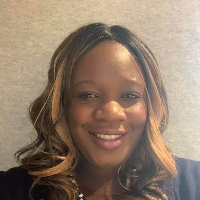
Chase Carter
LCSW
Practical, relational therapy with emotional focus
- Addictions
- Relationship
- Trauma and abuse
Utah 4 years in practice
Clinical social work directory
35 therapists in this directory hold a licence issued in Utah and name systemic therapy among their approaches. Sessions are online; a US therapist can usually only see people in a state where they hold a licence, so check the credentials panel on each profile.
Welcome to the Utah section of our online therapist directory. All therapists listed here are licensed in their professional categories; explore profiles to review approaches, credentials, languages, and experience.
LCSW
Practical, relational therapy with emotional focus
LCSW
Compassionate LCSW focusing on emotional healing
LCSW
Practical support for stress and emotional strain
LCMHC
Change-focused therapist using emotion work
LCMHC
Emotion-focused counselor with practical tools
LMFT
Compassionate therapist for emotional and relationship struggles
LCSW
Compassionate social worker for life transitions
LMFT
Compassionate, practical therapy for relationship and life struggles
LCSW
Compassionate, practical support for healing and change
UT Psychologist
Compassionate psychologist focused on emotions and behavior
LCMHC
Compassionate therapy grounded in emotion-focused work
LCSW
Compassionate, practical therapy for emotional healing
LCMHC
Practical, strength-based counseling for life changes
LMHC, LCMHC
Experienced counselor focused on emotional connection
LCSW
Experienced LCSW helping with relationships and intimacy
LMFT
Warm, practical therapy for life's hard moments
LCMHC, LPC
Compassionate, practical therapy for life’s hard moments
LCMHC
Practical emotional work for everyday life
LPC, LCMHC
Experienced clinician for complex life challenges
LMFT
Practical, empathetic therapy for emotional and relationship concerns
LMFT
Practical, compassionate therapy for life stressors
LCSW
Compassionate therapist blending emotion and skills
LMHC, LCMHC
Compassionate, practical support for real-life struggles
LCMHC
Practical, emotion-focused therapy and coping support
LCSW
Therapist blending trauma-informed care and practical skills
LMFT
Practical, emotion-focused therapy for real life
LMFT
Compassionate therapist for stress and relationships
LCSW
Compassionate, practical support for families and individuals
LCMHC
Compassionate therapist helping reconnect and heal
LCMHC, LPC
Compassionate therapist for emotional healing
LCMHC
Compassionate, emotion-focused support for adults
LCSW
Compassionate therapist for trauma and relationships
LPC, LCPC
Warm, practical counseling for emotional struggles
Some links on this page are partner links. We will earn a commission if you sign up through one, at no cost to you. It does not change what you pay or the order of the listings.
Online therapy has become a common way for people in Utah to connect with mental health professionals from Salt Lake City to more rural counties. You can expect to find clinicians who offer video and phone sessions and who describe a range of therapeutic approaches on their profiles. Many therapists list work with adults, adolescents, couples, and families, and some note specialty interests such as trauma, anxiety, depression, life transitions, or relationship issues. When you look through listings you will see a variety of credentials commonly used in the field - for example, licensed clinical social workers, professional counselors, marriage and family therapists, and psychologists. The directory focuses on therapist attributes you can compare - the modalities they list, their professional credential, languages spoken, and descriptive information about their experience - so you can identify clinicians whose focus aligns with what you want to address.
Because therapist profiles reflect self-reported approaches, you will encounter phrases such as therapists who list EFT among their approaches, therapists who list EMDR among their approaches, or therapists who list cognitive behavioral methods among their approaches. These listings indicate the methods that a clinician notes in their profile rather than an external certification status. Use the profile descriptions to learn how a therapist frames their work and to find language and priorities that resonate with you.
Online therapy can reduce travel time and make it easier to fit sessions into a busy schedule. In a state with long commutes and wide geographic areas between towns, remote sessions let you access therapists who might not be nearby while still working with clinicians licensed to practice in Utah. You may find it simpler to maintain continuity when life is unpredictable - moving between cities, managing seasonal weather, or juggling work and family commitments - because you can join sessions from a comfortable environment you choose. Technology also expands the range of professionals you can consider, which may increase the likelihood of finding someone whose cultural background, language abilities, or therapeutic approach matches your needs.
Beyond convenience, online therapy can make it easier to schedule shorter or more frequent check-ins when that fits your goals, and it may allow you to include family members in sessions when travel logistics would otherwise be challenging. You should consider what matters most to you in a therapeutic relationship - continuity, a specific approach, or a particular cultural or linguistic match - and weigh how online delivery supports those priorities. Keep in mind that not every issue is suited to remote work, and discussing fit with a clinician is a reasonable step to take before you begin.
Online therapists often work with people facing a wide spectrum of concerns. You will find clinicians who describe experience addressing anxiety and worry, mood shifts, stress from work or school, grief and loss, and relationship challenges. Many profiles also reference support for life transitions - such as parenting changes, divorce, career shifts, and relocation - and for patterns related to self-esteem, motivation, and coping. Some therapists note experience with trauma-related responses and pain from past events, often framed as therapists who list trauma-informed approaches among their approaches. Others highlight support for couples and family dynamics, including communication patterns and parenting concerns.
When you read a profile, pay attention to how a therapist describes the problems they commonly address and the goals they help clients pursue. Some clinicians emphasize skill-building and practical strategies for managing symptoms, while others highlight longer-term exploration of patterns, identity, and relational dynamics. Your choice may depend on whether you want short-term, goal-focused work or a longer, exploratory process. Because therapists vary in the populations they work with, you can look for notes about age ranges, life phases, and cultural or linguistic competence to ensure the clinician’s focus aligns with your situation.
Confirming that a clinician holds an active Utah license helps you understand their professional standing. The Utah Division of Occupational and Professional Licensing has an online license lookup where you can search by name or license number. When you look up a license, check the license type and status, the expiration date, and any public record information the board posts about discipline or complaints. Types of licenses you may see include those issued to professional counselors, clinical social workers, marriage and family therapists, and psychologists. Keep in mind that licensure rules can vary by profession, and boards may use specific titles such as licensed professional counselor or licensed clinical social worker.
Before you begin work with a clinician, you can ask them for the exact name and license number that appears on state records, and you can confirm whether the license covers telehealth services in Utah. If you want additional assurance, review the public board records to learn more about educational background, license history, and any administrative actions. Verifying a license is an important step so you can make an informed decision about who you choose to work with.
Begin by clarifying your goals. Think about what you hope to change or understand better - whether it is symptom relief, improving a relationship, navigating a life transition, or developing new coping strategies. Use the directory to filter profiles by the qualities that matter most to you - approach descriptions, language, and stated areas of focus. Read the profile narratives to get a sense of the therapist’s style and the populations they describe working with. When you find clinicians who seem like a possible fit, reach out using the contact methods they provide to ask questions about their approach to work, session structure, fees, and whether they hold a Utah license that covers telehealth practice.
Once you've connected, you can prepare for an initial session by making a short list of priorities to cover - key concerns, recent history that feels relevant, and goals you want to address. Decide on a location in your home or another setting where you can be uninterrupted and comfortable for the length of a session. Check your device and internet connection ahead of time to ensure video or phone calls run smoothly. During early sessions, you can ask how the therapist measures progress and how they structure sessions, which can help you decide whether to continue. Remember that the therapeutic relationship is a partnership, and it's okay to raise questions about approach, pacing, and goals as you begin.
Choosing a therapist is a personal process and there is no single correct path. Look for a clinician whose profile language and described focus resonate with you. Consider credentials and experience but also pay attention to whether the therapist mentions working with people who share your background or concerns. If cultural competence or language match matters to you, prioritize therapists who list those capabilities. You may find it helpful to think about the style you prefer - more directive and skills-based or more exploratory and relational - and then read profiles to see how therapists describe their work. When you contact a clinician, ask about session length, fees, cancellation policies, and how they approach telehealth sessions so you have practical information to guide your decision.
If after a few sessions you feel that the approach, communication style, or focus is not what you hoped for, it is reasonable to discuss this with the therapist. Sometimes clarifying expectations or adjusting goals can improve fit. Other times you may decide to look for another clinician whose profile aligns more closely with your priorities. Both finding a good match and making changes when needed are part of taking an active role in your mental health care.
Online therapy in Utah offers many paths to support, and using a directory can help you compare attributes that matter most to you. By reviewing profiles, verifying licensure, and preparing thoughtful questions, you can identify clinicians whose approaches and experience match your goals and begin the process of working toward the changes you want to see.