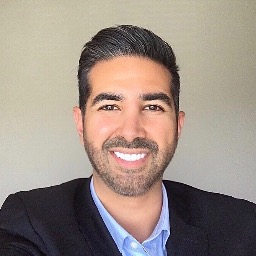
Diego Gomez, LMHC
Florida · 10 years in practice
Diego Gomez is a Licensed Mental Health Counselor (LMHC) based in Florida with ten years of clinical experience.
License and registration
- LMHC, Florida
- MH14194 · expires March 2027
- NPI
- 1275914111 · national provider identifier
- Years in practice
- 10
- Languages
- English, Spanish
Details are as listed on the therapist's public professional profile. You can check the license with the issuing state board, and the NPI with the national registry.
About Diego
Diego Gomez is a Licensed Mental Health Counselor (LMHC) based in Florida with ten years of clinical experience. He welcomes people who are feeling overwhelmed by stress, anxiety, depression, grief, or life changes and prefers clear, direct support. He speaks English and Spanish and uses straightforward talk to help people find practical next steps.
Diego draws on Emotionally-Focused Therapy along with Acceptance and Commitment Therapy and Client-Centered methods. He listens first, helping a person name what matters most and the emotions that come with it.
Background and approach
Sessions focus on identifying what gets in the way and practicing new responses that fit daily life. His work also includes techniques from Cognitive Behavioral Therapy and Dialectical Behavior Therapy when those approaches match a person's goals. This mix allows sessions to be tailored to issues such as ADHD, trauma and abuse, addictions, sleep problems, self-harm, and relationship or intimacy-related concerns.
He helps people who are processing post-traumatic stress, obsessive-compulsive behaviors, bipolar symptoms, and compassion fatigue. Diego aims to create a respectful, nonjudgmental space where people can speak plainly about struggles. He offers education about how feelings and behaviors connect and supports skill-building to manage impulses, improve communication, and reduce intense emotional reactions.
People start by identifying urgent needs and then work toward clearer daily routines and steadier moods. Diego combines listening, practical strategies, and ongoing review so progress can be adjusted as goals change.
Focus areas and approaches
Everything Diego lists on their public professional profile, in their own terms.
- Stress, Anxiety
- Anger management
- Depression
- Coping with life changes
- ADHD
- Addictions
- LGBT
- Relationship issues
- Family conflicts
- Trauma and abuse
- Grief
- Intimacy-related issues
- Sleeping disorders
- Parenting issues
- Self esteem
- Career difficulties
- Bipolar disorder
- Coaching
- Compassion fatigue
- Autism and Asperger Syndrome
- Commitment issues
- Communication problems
- Control issues
- Disruptive Mood Dysregulation Disorder (DMDD)
- Family problems
- Forgiveness
- Impulsivity
- Infidelity
- Isolation / loneliness
- Jealousy
- Life purpose
- Obsessions, compulsions, and OCD
- Post-traumatic stress
- Self-harm
- Self-love
- Sexuality
- Social anxiety and phobia
- Workplace issues
- Young adult issues
Approaches Diego names
- Emotionally-Focused Therapy (EFT)
- Acceptance and Commitment Therapy (ACT)
- Client-Centered Therapy
- Cognitive Behavioral Therapy (CBT)
- Dialectical Behavior Therapy (DBT)
- Mindfulness Therapy
- Motivational Interviewing
- Narrative Therapy
- Psychodynamic Therapy
- Solution-Focused Therapy
- Trauma-Focused Therapy
Naming an approach is not evidence of training in it. This directory copies what each therapist lists and does not check training records.
Online support
How emotional and action-focused therapies work online
Emotionally-Focused Therapy helps people identify and name core emotions and how those feelings shape close connections and personal choices. It often helps when strong feelings drive repeated patterns that someone wants to change.Acceptance and Commitment Therapy encourages accepting difficult thoughts and feelings while taking committed steps toward what matters most. It is useful for anxiety, depression, and navigating life changes by focusing on values and small, practical actions.
Client-Centered Therapy centers on listening and empathy. The therapist follows the person's lead, offering reflection and support that helps someone feel heard and clearer about next steps.
Choosing the best approach is a team effort. The therapist will talk with the person about goals, preferences, and what has or hasn't worked before. Together they try methods and adjust over time so the work stays relevant and useful.
Online formats include video calls, phone sessions, live chat, and text-based messaging. Video calls are good for face-to-face conversation, phone sessions can fit into a work break or use less bandwidth, and text or chat are helpful for shorter check-ins and ongoing support between sessions. These options make scheduling more flexible and can help therapy fit into busy days.
We will earn a commission if you sign up through our link, at no cost to you. It does not change what you pay or the order of the listings.
Questions people ask
What kinds of problems does Diego address?
He works with a wide range of concerns including stress, anxiety, depression, trauma and abuse, addictions, grief, sleep problems, relationship and intimacy-related issues, and coping with life changes.
How would you describe his therapy style?
His approach is attentive and person-centered, emphasizing emotional understanding and practical skills drawn from Emotionally-Focused Therapy, Acceptance and Commitment Therapy, and other methods.
What experience does he bring to sessions?
He has ten years of experience as a psychotherapist working with diverse presenting concerns and combines conversation with psychoeducation and skill practice.
What credentials and region are listed?
He is a Licensed Mental Health Counselor (LMHC) practicing in Florida.
Which languages are supported in sessions?
Sessions are offered in English and Spanish.
What session formats are available?
Sessions are available via video calls, phone sessions, live chat, or text-based messaging to suit different needs and schedules.
How are fees and payment handled?
Cost varies with location and therapist availability; sessions use a subscription model that can be canceled at any time.
How do I begin working with him?
Start by selecting the Start Therapy button, complete a short matching questionnaire, and then schedule sessions according to therapist availability.
More therapists in Florida
See all
Dedra McIntosh
LCSW
Emotion-focused care for everyday struggles
- Stress, Anxiety
- Relationship
- Trauma and abuse
Steven Carlson
LCSW
Compassionate, steady support for emotional healing
- Stress, Anxiety
- Relationship
- Family
Tomeccia Maxwell
LMHC
Calm, practical support for everyday challenges
- Stress, Anxiety
- Relationship
- Family
Is this your profile?
Ask us to correct details or take the page down.
Contact us