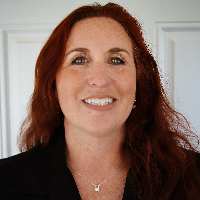
Ida Whitaker, LMFT
California · 8 years in practice
Ida Whitaker is a licensed marriage and family therapist who uses emotionally focused work to help people understand and change painful patterns.
License and registration
- LMFT, California
- 122784 · expires October 2026
- LMFT, Montana
- BBH-LMFT-LIC-48999 · expires December 2026
- NPI
- 1962994038 · national provider identifier
- Years in practice
- 8
- Languages
- English
Details are as listed on the therapist's public professional profile. You can check the license with the issuing state board, and the NPI with the national registry.
About Ida
Ida Whitaker is a licensed marriage and family therapist who uses emotionally focused work to help people understand and change painful patterns. She brings eight years of clinical experience and a calm, direct style to sessions. Ida practices in Montana and holds LMFT credentials in both Montana and California.
Her work often centers on strong emotions, relationships, and reactions that get in the way of daily life. She helps people struggling with anxiety, depression, grief, addiction, and stress find ways to respond differently.
Background and approach
She also supports those coping with trauma, anger, intimacy worries, parenting strain, and career stress. Ida blends emotionally-focused approaches with cognitive behavioral techniques, EMDR-informed trauma work, motivational interviewing, and solution-focused strategies. In practical terms this means she helps clients name feelings, test new behavior, and try short exercises between sessions.
She uses both conversational work and targeted interventions to create change. She has experience leading individual and group sessions in outpatient settings and online. Ida has worked with people affected by family-of-origin problems, domestic violence, fertility concerns, substance use, attachment struggles, autism-related issues, and forgiveness or shame-related problems.
Her background includes treatment work with people facing homelessness and military-related challenges. People who choose Ida can expect a collaborative approach that values honesty and respect. She aims to form a working plan together, set clear steps, and adjust as needed.
To begin, she asks about current needs and tailors sessions to what matters most to each person.
Focus areas and approaches
Everything Ida lists on their public professional profile, in their own terms.
- Addictions
- Relationship issues
- Trauma and abuse
- Anger management
- ADHD
- Stress, Anxiety
- LGBT
- Family conflicts
- Grief
- Intimacy-related issues
- Parenting issues
- Self esteem
- Career difficulties
- Depression
- Coping with life changes
- Compassion fatigue
- Attachment issues
- Autism and Asperger Syndrome
- Communication problems
- Control issues
- Dependent personality
- Disruptive Mood Dysregulation Disorder (DMDD)
- Domestic violence
- Drug and alcohol addiction
- Family of origin issues
- Family problems
- Fertility issues
- Forgiveness
- Guilt and shame
- Impulsivity
- Infidelity
- Isolation / loneliness
- Midlife crisis
- Veteran and Armed Forces Issues
- Multicultural concerns
- Post-traumatic stress
- Process addiction (porn, exercise, gambling)
- Self-harm
- Self-love
Approaches Ida names
- Emotionally-Focused Therapy (EFT)
- Cognitive Behavioral Therapy (CBT)
- Eye Movement Desensitization and Reprocessing (EMDR)
- Motivational Interviewing
- Solution-Focused Therapy
- Trauma-Focused Therapy
Naming an approach is not evidence of training in it. This directory copies what each therapist lists and does not check training records.
Online support
Emotion-focused care and online therapy options
Emotionally-Focused Therapy (EFT) helps people notice and name strong feelings and the patterns those feelings create in relationships and daily life. It focuses on shifting emotional responses and building new ways of relating that feel safer and more connected.Cognitive Behavioral Therapy (CBT) looks at how thoughts, feelings, and actions interact and uses practical exercises to test new thinking and behavior. It is useful for anxiety, depression, stress, and habit changes.
Eye Movement Desensitization and Reprocessing (EMDR) is a trauma-informed approach that helps process difficult memories and reduce their emotional intensity through guided techniques; it can be helpful for people who have troubling memories tied to trauma.
Finding the right approach is part of the work together. The therapist will talk with each person about their goals, symptoms, and preferences and recommend which methods to try first. That decision is collaborative and may shift as progress is made.
Online sessions are offered by video calls, phone, live chat, or text-based messaging to fit different needs. Video is useful for full conversations and visual cues, phone calls can be easier when bandwidth is limited, live chat is good for brief check-ins, and messaging supports ongoing reflection between sessions. These options make it easier to fit therapy into workdays, travel schedules, or busy family routines.
We will earn a commission if you sign up through our link, at no cost to you. It does not change what you pay or the order of the listings.
Questions people ask
What concerns does she help with?
She helps with a wide range of issues including anxiety, depression, addictions, trauma and abuse, relationship struggles, grief, parenting stress, anger, and work or career concerns.
What is her therapy style like?
Her style blends emotionally-focused work with cognitive behavioral approaches and practical exercises. Sessions are collaborative and aim to identify feelings, test new behaviors, and set doable steps between meetings.
How much clinical experience does she have?
She has eight years of clinical experience working in outpatient settings, leading both individual and group sessions and providing online care.
What are her credentials and where does she practice?
She is a Licensed Marriage and Family Therapist (LMFT) with credentials in Montana and California and practices from Montana.
Can sessions be conducted in other languages?
Sessions are offered in English.
What session formats are available?
She offers video calls, phone sessions, live chat, and text-based messaging to accommodate different schedules and needs.
How does pricing work for sessions?
Cost varies with location and therapist availability and is provided through a subscription model that can be canceled at any time.
How do I begin working with her?
Start by selecting the Start Therapy button, complete a short matching questionnaire, and then schedule sessions according to the therapist's availability.
More therapists in Montana
See allPaul Dokey
LCSW
Compassionate, practical therapy for emotional change
- Stress, Anxiety
- Addictions
- Relationship

Angela Whitecrane Widdicombe
LCSW, LMFT
Compassionate clinician focused on emotional connection
- Stress, Anxiety
- Addictions
- Relationship

Is this your profile?
Ask us to correct details or take the page down.
Contact us