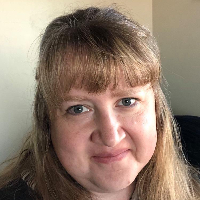
Paul Dokey
LCSW
Compassionate, practical therapy for emotional change
- Stress, Anxiety
- Addictions
- Relationship
Montana 20 years in practice
Clinical social work directory
18 therapists in this directory hold a licence issued in Montana and name systemic therapy among their approaches. Sessions are online; a US therapist can usually only see people in a state where they hold a licence, so check the credentials panel on each profile.
Welcome to our directory of online therapists serving Montana. All therapists listed hold a current Montana license - explore profiles to learn about approaches, credentials, focus areas and languages to find a clinician who may match your needs.
LCSW
Compassionate, practical therapy for emotional change
LCSW, LMFT
Compassionate clinician focused on emotional connection
LMFT
Emotionally focused therapist with practical tools
LCSW
Warm LCSW guiding practical emotional change
LPC, LCPC
Compassionate counselor focused on emotions and relationships
LCSW
Compassionate LCSW guiding practical change
LCSW
Compassionate social worker guiding practical change
LCPC
Compassionate, experienced counselor in Montana
LCPC
Connection-focused counselor who offers practical tools
LCSW
Compassionate clinician focusing on emotional healing
LCSW
Compassionate therapist helping people find connection
LCPC
Compassionate, practical therapy for emotional healing
LCSW
Therapist helping people find steady, practical support
LCPC
Compassionate, practical therapy for major life challenges
Some links on this page are partner links. We will earn a commission if you sign up through one, at no cost to you. It does not change what you pay or the order of the listings.
In recent years, online therapy has become a regular option for people in Montana who want counseling without traveling long distances. You can connect with clinicians who work across the state from home, from a workplace break or while traveling. Teletherapy can broaden the range of specialties and languages you have access to, because clinicians are not limited to a single town or clinic. This matters in Montana where rural communities and long drives can make in-person care more difficult to schedule on a regular basis.
When you search for an online therapist here, you will see profiles that describe the approaches a clinician lists, such as EFT, cognitive approaches, trauma-focused methods or family work. Those listings reflect the ways therapists describe their practice, and they can help you identify clinicians whose descriptions resonate with what you want. Because all profiles on this site indicate active Montana licensure, you can focus your attention on fit factors like therapeutic approach, typical focus areas, languages spoken and years of experience supporting similar concerns.
Online therapy can reduce the time and logistics that come with commuting to appointments in a state with wide distances between towns. You may find sessions easier to fit into a day when you do not need to account for a long drive or parking. For people with mobility challenges, caregiving responsibilities or variable work schedules, remote sessions can provide more consistent continuity with fewer disruptions.
Beyond convenience, online therapy can increase the choices available to you. If you are seeking a clinician who lists EFT among their approaches, or someone who notes experience with grief, chronic illness adjustment, or working with particular identity issues, teletherapy widens the pool of potential matches. Many people also appreciate the modest control online sessions offer - you can select a quiet, comfortable environment that feels right for you and create a routine that supports regular work on your goals.
Therapists who offer online sessions frequently support a broad range of concerns. You can look for clinicians who describe work with anxiety, depression, trauma, relationship difficulties, life transitions, parenting concerns and career stress. Some clinicians emphasize specialized populations such as adolescents, perinatal support, veterans or caregivers, while others focus on couple therapy or family systems. The approaches a clinician lists can give you a sense of their orientation - for example, cognitive-behavioral techniques, emotionally focused methods like EFT, trauma-informed approaches or integrative psychotherapy.
Online formats are often used for talk therapy, skills training, coping strategies and processing life events. In some situations, clinicians may combine online sessions with in-person work when appropriate for clinical needs and location. It is important to remember that some circumstances - such as imminent risk of harm - require emergency interventions and local supports. If you are experiencing an emergency, contacting local emergency services or a crisis line in Montana is the recommended step.
When you find a clinician profile that interests you, it is reasonable to verify their license directly with state resources. Licensure verification typically involves checking the Montana professional licensing search or the state licensing board that oversees the clinician's discipline. You can search by the therapist's name or license number to confirm that the license is current and to see whether there are any public actions or restrictions listed. State search tools often provide the license type, issuance and renewal dates, and any public disciplinary history.
In addition to official records, you can review the clinician's public profile for listed credentials and the approaches they mention. Profiles that note experience with certain populations or languages can help you narrow your choices, but remember that profiles describe what a therapist lists and do not substitute for formal verification. If you have questions about a license or a clinician's professional standing, contacting the state licensing board directly will provide authoritative information that can inform your decision.
Getting started often begins with reviewing a few profiles to identify clinicians who describe relevant focus areas and approaches. As you read, pay attention to how a therapist describes their work, the populations they note, languages they speak and the clinical orientations they list - for example, therapists who list EFT among their approaches versus those who list cognitive methods. These descriptions can help you form a short list of therapists whose style seems compatible with your goals.
Once you have a shortlist, you can reach out to ask practical questions before committing to a longer course of work. You might inquire about session length and format, typical fees and whether they accept your insurance or offer sliding scale options. It can also be helpful to ask about their experience with the specific issues you want to address and how they measure progress in therapy. Many people find it valuable to have an initial conversation to get a sense of the therapist's communication style and whether you feel comfortable interacting with them remotely.
When choosing a therapist, consider both professional fit and personal comfort. Cultural identity, language, life stage and therapeutic approach are all valid factors in deciding who might be a good match. Trust your sense of whether you feel heard and respected in early interactions, and remember that finding the right fit can take time. If a connection does not feel right, you can continue your search using the directory to explore other licensed clinicians who describe relevant expertise. Whatever path you take, approaching the process with curiosity and clear questions will help you identify a clinician who aligns with your needs and preferences.
Before beginning online sessions, check the technology requirements the clinician mentions, such as a reliable internet connection, device compatibility and whether video is preferred. You should also plan a comfortable, quiet place to meet for sessions - a spot where you can speak openly without interruptions. If you have questions about how records are kept or how sessions are conducted, ask a clinician directly so you understand their practices before you begin.
Starting therapy is a personal step and it is normal to have questions about the process. Use the directory to compare clinicians by the factors that matter most to you - approach descriptions, focus areas, languages and professional credentials - and reach out to start a conversation that helps you determine whether a particular therapist is a good fit for your needs.