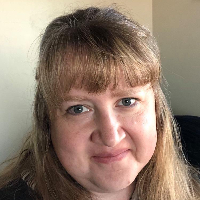
Lisa Johnson, LCPC
Montana · 10 years in practice
Lisa Johnson is a licensed clinical professional counselor (LCPC) with ten years of experience helping people through hard seasons.
License and registration
- LCPC, Montana
- BBH-LCPC-LIC-24410 · expires December 2026
- NPI
- 1225568280 · national provider identifier
- Years in practice
- 10
- Languages
- English
Details are as listed on the therapist's public professional profile. You can check the license with the issuing state board, and the NPI with the national registry.
About Lisa
Lisa Johnson is a licensed clinical professional counselor (LCPC) with ten years of experience helping people through hard seasons. She focuses on emotional connection, practical coping strategies, and calm conversations that make problems feel more manageable. Her approach centers on listening first and building a plan that fits each person's life and goals.
She uses Emotionally-Focused Therapy to help people better understand and respond to strong feelings. That can be useful for relationship strain, grief, abandonment wounds, and attachment concerns.
Background and approach
Lisa also draws on attachment-based ideas to look at patterns that repeat across relationships and to find new ways of relating. Practical tools from cognitive behavioral therapy and mindfulness help with symptoms like anxiety, panic, sleep troubles, and low mood. Sessions often include simple exercises to change unhelpful thoughts and to learn steadying habits for day-to-day life.
Motivational interviewing informs how she supports people making changes, including parenting shifts or coping with caregiver stress. Lisa works with a wide range of concerns including trauma and abuse, depression, ADHD, compassion fatigue, and family problems. She also supports people dealing with guilt, shame, codependency, and the fallout of divorce or separation.
Her style is warm, direct, and centered on what a person wants to change. Clients can expect a collaborative process that balances emotional insight with clear next steps. Lisa invites questions, pacing the work to match each person's needs and timing.
Focus areas and approaches
Everything Lisa lists on their public professional profile, in their own terms.
- Stress, Anxiety
- Trauma and abuse
- Grief
- Parenting issues
- Relationship issues
- Family conflicts
- Sleeping disorders
- Self esteem
- Depression
- Coping with life changes
- Coaching
- Compassion fatigue
- ADHD
- Abandonment
- Attachment issues
- Autism and Asperger Syndrome
- Caregiver issues and stress
- Codependency
- Divorce and separation
- Emptiness
- Family problems
- Forgiveness
- Guilt and shame
- Impulsivity
- Mood disorders
- Panic disorder and panic attacks
- Seasonal Affective Disorder (SAD)
- Self-harm
- Self-love
- Social anxiety and phobia
- Women's issues
- Young adult issues
Approaches Lisa names
- Emotionally-Focused Therapy (EFT)
- Attachment-Based Therapy
- Client-Centered Therapy
- Cognitive Behavioral Therapy (CBT)
- Mindfulness Therapy
- Motivational Interviewing
- Narrative Therapy
- Solution-Focused Therapy
- Trauma-Focused Therapy
- Internal Family Systems
Naming an approach is not evidence of training in it. This directory copies what each therapist lists and does not check training records.
Online support
Working with emotions online and choosing an approach
Emotionally-Focused Therapy helps people notice, name, and work with strong feelings so they can change recurring interaction patterns and feel more connected with others. It can be helpful for grief, attachment wounds, abandonment, and relationship distress.Attachment-Based Therapy looks at how early bonds shape current reactions and relationships. It focuses on identifying patterns of safety and threat in relationships and developing new, steadier ways of relating that reduce anxiety and emptiness.
Client-Centered Therapy centers the person’s experience and priorities. The therapist follows the client’s pace, offering reflection and support while clients decide what changes to make and when.
Finding the right approach is part of the work. Lisa will talk with each person about their goals, history, and preferences, and will shape sessions together. That collaboration helps decide whether emotional work, attachment focus, cognitive strategies, or mindfulness fits best.
Online sessions are offered by video calls, phone sessions, live chat, or text-based messaging to provide flexible options. Video calls support face-to-face conversation and visual cues. Phone sessions use less bandwidth and can be easier during a busy day. Live chat and text allow shorter check-ins, written reflection, and ongoing notes between meetings. These options make it easier to fit therapy into school, work, or caregiving routines.
We will earn a commission if you sign up through our link, at no cost to you. It does not change what you pay or the order of the listings.
Questions people ask
What concerns does Lisa focus on?
She works with stress, anxiety, depression, trauma and abuse, grief, parenting challenges, relationship and family problems, sleep issues, self-esteem, ADHD, and related concerns.
How would you describe her therapeutic style?
Her style is client-centered and collaborative with an emphasis on emotional connection and practical steps. She blends listening with strategies people can use between sessions.
What is her professional background?
She has ten years of clinical experience and holds the LCPC credential, bringing a decade of practice to sessions.
Where is she located and licensed?
She practices in Montana and holds the MT LCPC credential.
Which languages are supported for sessions?
Sessions are offered in English.
Can people outside the United States work with her?
She is not accepting international clients at this time.
What formats are available for sessions?
Sessions can be done via video calls, phone sessions, live chat, or text-based messaging to fit different schedules and needs.
How are costs and scheduling handled?
Costs vary with location and therapist availability and use a subscription model that can be canceled at any time. To begin, select the Start Therapy button, complete a short matching questionnaire, and schedule according to therapist availability.
More therapists in Montana
See allPaul Dokey
LCSW
Compassionate, practical therapy for emotional change
- Stress, Anxiety
- Addictions
- Relationship


Angela Whitecrane Widdicombe
LCSW, LMFT
Compassionate clinician focused on emotional connection
- Stress, Anxiety
- Addictions
- Relationship

Ida Whitaker
LMFT
Emotionally focused therapist with practical tools
- Addictions
- Relationship
- Trauma and abuse
Is this your profile?
Ask us to correct details or take the page down.
Contact us