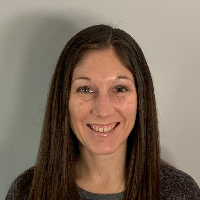
Laura Powers, LCSW
New York · 14 years in practice
Laura Powers is a Licensed Clinical Social Worker with 14 years of experience helping people manage stress, anxiety, depression, grief, and relationship strain.
License and registration
- LCSW, New York
- 087462 · expires October 2026
- NPI
- 1053700327 · national provider identifier
- Years in practice
- 14
- Languages
- English
Details are as listed on the therapist's public professional profile. You can check the license with the issuing state board, and the NPI with the national registry.
About Laura
Laura Powers is a Licensed Clinical Social Worker with 14 years of experience helping people manage stress, anxiety, depression, grief, and relationship strain. She works in New York and offers straightforward, compassionate support for practical problems like sleep troubles, parenting pressure, and career stress. She uses Emotionally-Focused Therapy as one part of her approach to help people notice and name strong emotions.
She also draws on Cognitive Behavioral Therapy to address unhelpful thoughts and behaviors, Acceptance and Commitment Therapy to clarify values and goals, and Dialectical Behavior Therapy skills for managing intense emotions.
Background and approach
Sessions focus on building a trusting relationship first. Laura listens without judgment and helps people talk through what matters to them. She encourages small, doable steps so progress feels real and not overwhelming.
Her background includes work with mood disorders, trauma and abuse, addictions, postpartum depression, and stress after disasters. She supports people dealing with guilt, shame, obsessive thoughts, panic, and social anxiety, tailoring techniques to each person’s situation. Therapy can include talk-based work, mindfulness exercises, and behavioral experiments to test new ways of coping.
Laura aims to help people increase self-awareness, reduce distress, and make value-driven choices in daily life.
Focus areas and approaches
Everything Laura lists on their public professional profile, in their own terms.
- Stress, Anxiety
- Grief
- Self esteem
- Bipolar disorder
- Depression
- Addictions
- LGBT
- Relationship issues
- Family conflicts
- Trauma and abuse
- Sleeping disorders
- Parenting issues
- Anger management
- Career difficulties
- Coping with life changes
- Compassion fatigue
- Coping with natural or human-caused disaster
- Forgiveness
- Guilt and shame
- Obsessions, compulsions, and OCD
- Panic disorder and panic attacks
- Postpartum depression
- Post-traumatic stress
- Seasonal Affective Disorder (SAD)
- Self-love
- Social anxiety and phobia
Approaches Laura names
- Emotionally-Focused Therapy (EFT)
- Acceptance and Commitment Therapy (ACT)
- Client-Centered Therapy
- Cognitive Behavioral Therapy (CBT)
- Dialectical Behavior Therapy (DBT)
- Mindfulness Therapy
- Motivational Interviewing
- Psychodynamic Therapy
- Solution-Focused Therapy
- Trauma-Focused Therapy
Naming an approach is not evidence of training in it. This directory copies what each therapist lists and does not check training records.
Online support
How emotional work and skills translate to online therapy
Emotionally-Focused Therapy (EFT) helps people identify and make sense of strong feelings. In online sessions this can mean naming feelings as they arise and using that awareness to shift how people relate to themselves and others. Cognitive Behavioral Therapy (CBT) focuses on the links between thoughts, feelings, and actions and is useful for anxiety, depression, and sleep problems by teaching concrete strategies to change unhelpful patterns.Finding the right approach is part of the work. The therapist collaborates with each person to choose methods that match their needs, goals, and preferences. That means trying different ways of working together and adjusting based on what helps most in day-to-day life.
Online therapy offers flexibility through video calls, phone sessions, live chat, and text-based messaging. Video is good for conversation and exercises that benefit from visual cues. Phone sessions can fit a lunch break or low-bandwidth situations. Live chat and text messaging allow shorter check-ins, written reflections, and ongoing support between sessions. These options make it easier to get consistent care around work, family, and other commitments.
We will earn a commission if you sign up through our link, at no cost to you. It does not change what you pay or the order of the listings.
Questions people ask
What concerns does Laura help with?
She helps people with stress, anxiety, depression, bipolar mood issues, grief, addictions, trauma and abuse, relationship and family stress, sleep problems, parenting strain, anger, career issues, and compassion fatigue.
How would you describe her therapy style?
Her style combines Emotionally-Focused Therapy with client-centered listening and practical skills from CBT, DBT, and ACT to address emotions, thoughts, and behavior.
What is her professional background?
She is a Licensed Clinical Social Worker with 14 years of experience working across mood disorders, trauma, grief, and stress-related concerns.
Where is she based and what are her credentials?
She practices in New York and holds the credential LCSW, which stands for Licensed Clinical Social Worker.
Which languages are supported in sessions?
Sessions are offered in English.
Can international clients work with her?
International clients are not currently accepted.
What session formats are available?
Sessions are offered by video calls, phone sessions, live chat, or text-based messaging to suit different needs and schedules.
How does the payment and getting started process work?
Cost varies with location and availability and uses a subscription that can be canceled at any time. To begin, select the Start Therapy button, complete a short matching questionnaire, and schedule based on therapist availability.
More therapists in New York
See all
JoAnn Park
LCSW
Experienced LCSW focusing on emotion and healing
- Stress, Anxiety
- Addictions
- Relationship

Tammy Piazza
LMHC
Practical skills for stronger emotional balance
- Stress, Anxiety
- Addictions
- Trauma and abuse

Rachael Figueroa
LCSW
Compassionate, emotion-focused therapy for real life
- Stress, Anxiety
- Grief
- Anger

Is this your profile?
Ask us to correct details or take the page down.
Contact us