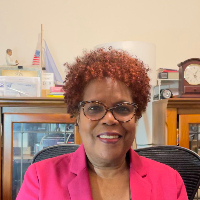
Dr. Marva Bourne, LMFT
California · 9 years in practice
Dr. Marva Bourne is a licensed marriage and family therapist (LMFT) based in California.
License and registration
- LMFT, California
- 106544 · expires October 2027
- NPI
- 1922388214 · national provider identifier
- Years in practice
- 9
- Languages
- English
Details are as listed on the therapist's public professional profile. You can check the license with the issuing state board, and the NPI with the national registry.
About Marva
Dr. Marva Bourne is a licensed marriage and family therapist (LMFT) based in California. She brings nine years of clinical experience to her work and focuses on common and painful concerns like anxiety, depression, grief, and relationship strain.
Her background includes training at the doctoral and master level in marriage and family therapy and education counseling, which informs a broad view of client needs. She uses Emotionally-Focused Therapy to help people identify and shift the emotions that drive their interactions and inner experience.
Background and approach
She also draws on Attachment-Based Therapy to look at how early bonds shape current patterns. Cognitive Behavioral Therapy is part of her toolkit when practical steps and skill-building are helpful. Sessions are offered through video calls, phone sessions, live chat, or text-based messaging to fit different schedules and preferences.
People reach out for help with parenting challenges, blended family issues, adoption and foster care concerns, caregiver stress, and intimacy matters. She also works with issues such as addictions, eating and sleeping difficulties, obsessive-compulsive patterns, panic and social anxiety, and coping with life changes. Her approach balances emotional understanding with concrete strategies.
She listens for patterns in relationships and daily life, then helps set small, doable goals. The focus is on clear steps that can reduce distress and improve connection. Dr.
Bourne speaks English and practices in California. To begin, a short matching questionnaire is used to connect a person to care and schedule sessions that fit individual needs.
Focus areas and approaches
Everything Marva lists on their public professional profile, in their own terms.
- Stress, Anxiety
- Relationship issues
- Trauma and abuse
- Grief
- Depression
- Addictions
- Family conflicts
- Intimacy-related issues
- Eating disorders
- Sleeping disorders
- Parenting issues
- Anger management
- Self esteem
- Career difficulties
- Coping with life changes
- ADHD
- Adoption and foster care
- Attachment issues
- Blended family issues
- Caregiver issues and stress
- Guilt and shame
- Infidelity
- Isolation / loneliness
- Life purpose
- Multicultural concerns
- Obsessions, compulsions, and OCD
- Panic disorder and panic attacks
- Social anxiety and phobia
Approaches Marva names
- Emotionally-Focused Therapy (EFT)
- Attachment-Based Therapy
- Client-Centered Therapy
- Cognitive Behavioral Therapy (CBT)
- Gottman Method
- Solution-Focused Therapy
- Trauma-Focused Therapy
Naming an approach is not evidence of training in it. This directory copies what each therapist lists and does not check training records.
Online support
Emotion-focused and attachment work online
Dr. Bourne uses Emotionally-Focused Therapy to help people identify the emotions that shape their reactions and relationships, and to open new ways of responding that build connection and reduce distress. Attachment-Based Therapy is used to understand how early caregiving relationships influence current patterns and to develop more supported ways of relating. Cognitive Behavioral Therapy offers clear steps and skills to change unhelpful thoughts and behaviors and to manage symptoms like anxiety and panic.Finding the right approach is a collaborative process. The therapist and client work together to choose methods that match the client's goals, needs, and comfort level. That may mean focusing on emotional processing for a time, then shifting to skills and behavior change as needed.
Online therapy options include video calls, phone sessions, live chat, and text-based messaging. Video sessions let the therapist and client see facial expressions and nonverbal cues, while phone sessions use less bandwidth and can fit a break at work. Live chat and text messaging support shorter check-ins, written reflection, or ongoing support between sessions. These formats make it easier to fit therapy into busy schedules and different life situations.
We will earn a commission if you sign up through our link, at no cost to you. It does not change what you pay or the order of the listings.
Questions people ask
What kinds of problems does she help with?
She works with stress, anxiety, depression, grief, relationship strain, trauma and abuse, addictions, parenting issues, and related concerns listed in her specialties.
What is her therapy style like?
Her style blends emotionally focused work with practical strategies. She helps people name feelings, trace patterns, and try small behavioral changes.
What is her clinical background?
She holds a doctoral degree in marriage and family therapy plus two master’s degrees and has nine years of professional experience as an LMFT.
Where does she practice and what are her credentials?
She practices in California and is a licensed marriage and family therapist, listed as LMFT in California.
In which languages are sessions offered?
Sessions are offered in English.
What formats are available for sessions?
Sessions can be held by video call, phone session, live chat, or text-based messaging to suit different needs and schedules.
How does cost and billing work?
Cost varies with location and therapist availability; sessions use a subscription model that can be canceled at any time.
How do I begin or schedule a session?
Start by selecting the Start Therapy button, complete a short matching questionnaire, and then schedule sessions according to therapist availability.
More therapists in California
See allNancy Montes
LCSW
Compassionate, culturally aware LCSW for life transitions
- Stress, Anxiety
- Self esteem
- Depression

Alejandro Holguin
LCSW
Practical, collaborative therapy for emotional healing
- Stress, Anxiety
- Relationship
- Anger

Dr. Cheryl Mims
LCSW
Compassionate clinician helping rebuild emotional balance
- Stress, Anxiety
- Grief
- Bipolar

Chauncey Chatman
LMFT
Practical, emotion-focused therapy for adults
- Stress, Anxiety
- Addictions
- Trauma and abuse

Is this your profile?
Ask us to correct details or take the page down.
Contact us